

 Facebook
 X
X
 Pinterest
 Copy Link
Sammamish Neighborhood Guide: Best Areas by Budget 2026
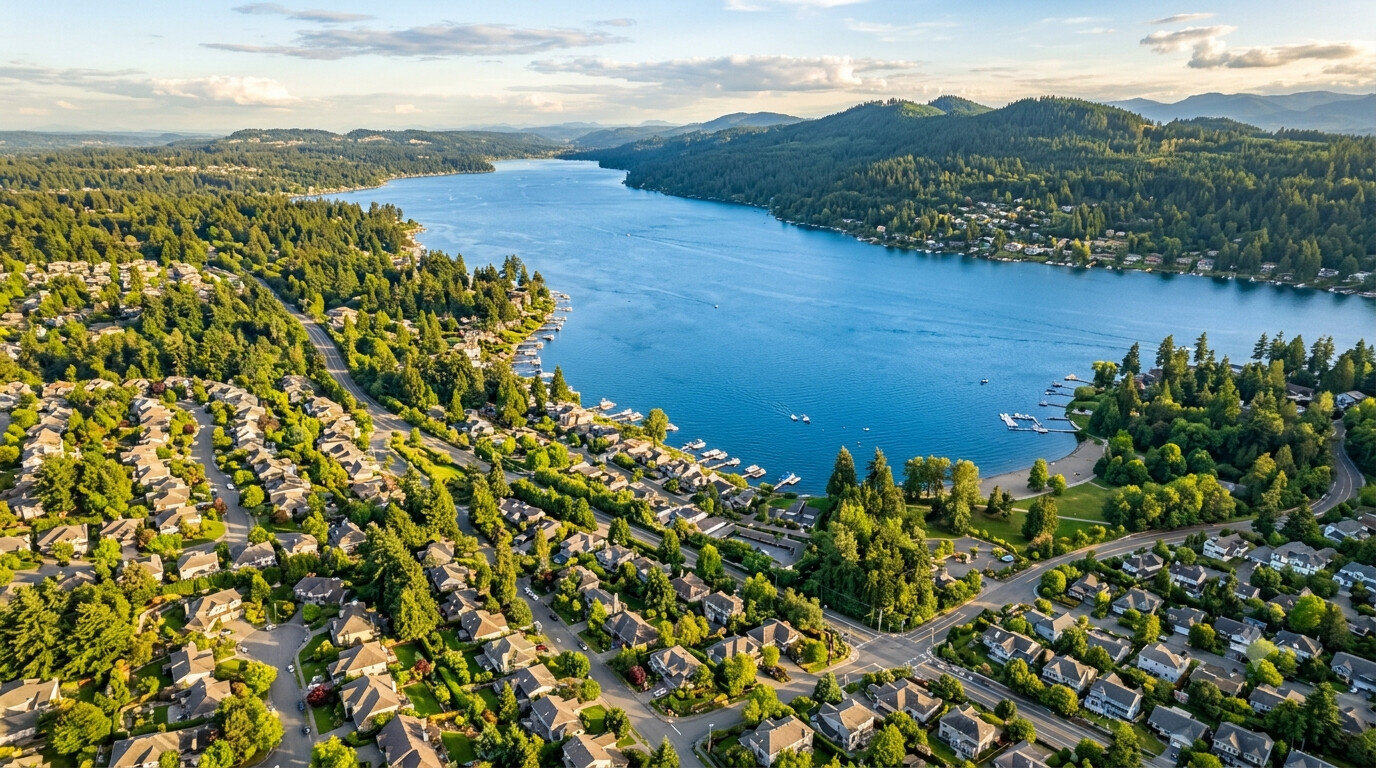
You’ve already picked Sammamish. Now you need to pick a piece of it.
That’s harder than it sounds. Sammamish isn’t one neighborhood, it’s six or seven distinct ones stitched together on the plateau east of Lake Sammamish, and they don’t feel the same, cost the same, or send your kids to the same school district.
If you’re moving to King County from out of state and Sammamish is your target city, this guide breaks down the real differences between Klahanie, Trossachs, Pine Lake, Tally Ho/Inglewood Hill, the East Lake Sammamish Parkway corridor, and Beaver Lake. By the end, you should know which one fits your budget and your life.
Klahanie: The Entry Point With the Most House for Your Money
Klahanie sits on the southern edge of Sammamish and it’s the biggest neighborhood in the city, with more than 3,000 homes. It was built mostly in the 1990s, so you’re looking at classic Pacific Northwest suburban construction: two-story homes, decent-sized lots, mature trees that actually block your neighbor’s view instead of just decorating the yard.
Median price here runs around $1.29M, which sounds like a lot until you compare it to the rest of Sammamish. This is where a family coming from a lower cost-of-living market gets the most square footage and lot size for the dollar in this city.
So what does that mean for you? If your budget tops out in the low-to-mid $1M range and you still want to say you live in Sammamish, Klahanie is where that math works. It’s also the neighborhood with the most built-in community infrastructure: parks, trails, and a private community club with pools and sport courts that a lot of families factor into the decision.
Klahanie falls in the Issaquah School District. If school assignment is a top priority, that matters, because half of Sammamish doesn’t feed Issaquah schools at all. More on that split below.
If Klahanie’s the entry point, worth a direct comparison against a step-up option nearby: see the full Aldarra neighborhood guide for a look at Sammamish’s golf-course community at a higher price point.
Trossachs: Scenic, School-Focused, and Slightly Quieter
Trossachs sits on the northeastern edge of the city, another 1990s-era community, and it’s the neighborhood I hear described most often as “the quiet one.” It’s smaller than Klahanie, more residential in feel, with parks woven through the streets rather than concentrated in one spot.
Families choose Trossachs specifically for school access. It’s zoned into the Issaquah School District, and it consistently draws relocating families who did their research on school ratings before they did research on the neighborhood itself. That’s backwards in my opinion, but it’s common, and it tells you something about how seriously buyers here take the schools question.
Price-wise, Trossachs sits in the middle of the Sammamish range, generally above Klahanie and below Pine Lake, though inventory is thin enough that a single listing can skew the numbers in a given month. If you’re relocating and school district certainty matters more than shaving costs, Trossachs is worth a serious look before you widen your search.
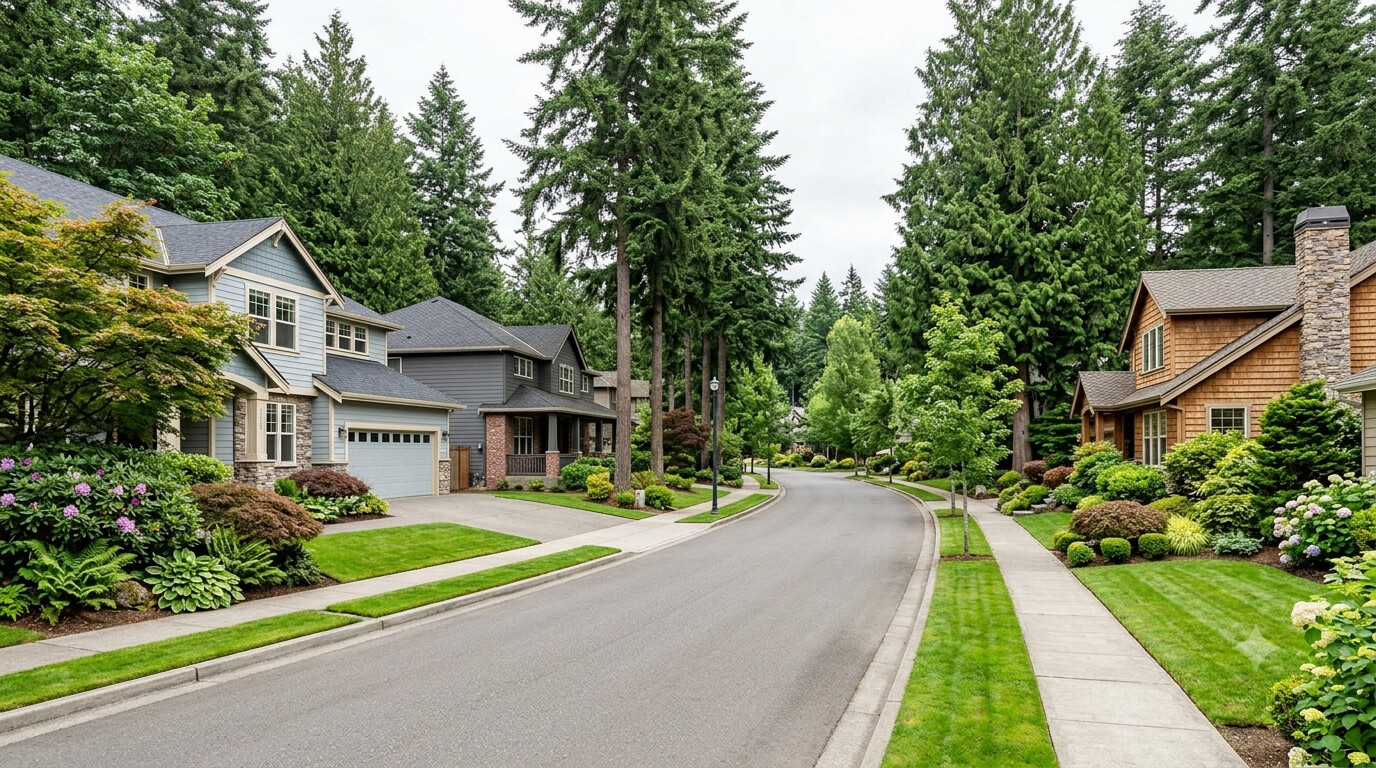
Trossachs is one of four Sammamish neighborhoods zoned into the Issaquah School District.
Pine Lake: Established, Central, and Priced Like It
Pine Lake is centrally located and it’s one of the older, more established parts of Sammamish, with homes built mostly between 1970 and 2010. That range matters. It means you’ll find a mix of dated ranch-style homes that need work sitting next to fully remodeled or rebuilt properties, sometimes on the same block.
Median price in Pine Lake runs around $1.86M, making it one of the more expensive neighborhoods in the city outside the immediate lakefront. Buyers pay for the location: central access to shopping, the Pine Lake community itself, and a long track record of strong resale value.
Here’s the honest field note. When I do BPOs in Pine Lake, the spread between the best-maintained homes and the ones that need real work is wider than in newer neighborhoods like Klahanie or Trossachs. If you’re buying here, budget time and money for updates, or be very specific with your agent about wanting a turnkey property, because the older housing stock varies a lot more than the median price suggests.
Tally Ho and Inglewood Hill: Northern Sammamish, Lake Washington Schools
Tally Ho and Inglewood Hill sit in the northern part of the city, and this is where the school district conversation flips. This area, along with neighborhoods like Sahalee, Heritage Hills, Timberline, and The Villages, feeds into the Lake Washington School District rather than Issaquah, with Eastlake High School serving as the primary comprehensive high school for this part of Sammamish. For a deeper look at this side of the city, see the Tally Ho / Inglewood Hill neighborhood guide and the Sahalee neighborhood guide, both zoned into Lake Washington schools.
Lake Washington School District is ranked among the top districts in the state, right alongside Issaquah. So this isn’t a case of one side being the school-quality winner. It’s a case of two strong districts serving different halves of the same city, and you need to know which side of the line a specific address sits on before you fall in love with it.
Inglewood Hill in particular tends to draw buyers who want proximity to Redmond. The commute to the Microsoft campus from this part of Sammamish runs roughly 15 to 25 minutes, noticeably shorter than the drive from the southern neighborhoods, which matters if one household earner is commuting daily to the Eastside tech corridor.
East Lake Sammamish Parkway Corridor: The Lake Life Premium
This is the corridor that hugs the eastern shore of Lake Sammamish, and it’s where buyers pay directly for water. Homes here range from older two-story properties to full rebuilds, and lot sizes tend to be generous enough for gardens, play space, or just room to breathe.
This is also the most expensive stretch in our guide. West Lake Sammamish properties with direct water access carry a median around $2.67M, and even non-waterfront homes along the parkway trade at a real premium over the rest of the city. The area also connects directly to the 11-mile East Lake Sammamish Trail and Lake Sammamish State Park, so you’re paying for recreation access as much as the water view itself.
So what’s the “so what” here? If your budget realistically starts above $2M and lake access or lake proximity is non-negotiable, this corridor is where you concentrate your search. Below that number, you’re better served looking at Pine Lake or Trossachs, where you get strong Sammamish fundamentals without competing for waterfront inventory. For pricing and lot detail specific to this stretch, see the East Lake Sammamish Parkway neighborhood guide.
Beaver Lake: Natural Setting, Steady Demand
Beaver Lake, sometimes called Beaver Lake Estates, sits toward the established, older end of the age range, built mostly between 1970 and 2010, similar to Pine Lake. What sets it apart is direct proximity to Beaver Lake itself, which gives the neighborhood a quieter, more natural feel than the denser parts of the plateau.
This neighborhood is zoned into the Issaquah School District along with Klahanie, Trossachs, and Pine Lake, which puts the entire southern half of Sammamish, from Beaver Lake down through Klahanie, on one school system, while the northern neighborhoods run through Lake Washington schools.
Demand in Beaver Lake tends to be steady rather than explosive. It doesn’t get the bidding-war attention that lakefront parkway homes do, but it also doesn’t sit on the market long, because buyers who want established trees, a slower pace, and still-strong schools keep circling back to it.
The Local Angle: Making Sense of the School District Split
This is the piece that trips up almost every relocating family, so it gets its own section. Sammamish is not entirely in one school district. The dividing line runs roughly along SE 8th Street.
South of that line, you’re in the Issaquah School District: Klahanie, Trossachs, Pine Lake, and Beaver Lake all fall here. North of the line, you’re in Lake Washington School District: Sahalee, Heritage Hills, Inglewood Hill, Timberline, The Villages, Summer Ridge, Vintage, and Tally Ho.
Both districts rank in the top five in Washington state, so this isn’t a story about one side losing out academically. It’s a practical logistics issue. Your kids’ specific elementary, middle, and high school assignment depends on the exact address, not the city name on the listing. Before you get attached to a house, confirm the district and the specific school using the district’s official boundary lookup tool, because boundary lines inside a single neighborhood can occasionally split blocks.
What This Means for You
If you’re relocating to King County and Sammamish is the city you’ve settled on, work backward from two numbers: your real budget ceiling and how much weight school assignment carries in your decision.
Under $1.4M, Klahanie is where your money stretches furthest, with strong Issaquah School District access and the most built-in community amenities. Between $1.5M and $1.9M, Trossachs and Pine Lake both work, with Trossachs leaning more toward newer construction and Pine Lake leaning more central but with more variable housing condition. If Lake Washington School District specifically is your target, look north to Inglewood Hill or Tally Ho, and factor in the shorter Redmond commute as a bonus. Above $2M, especially if lake access matters to your family’s lifestyle, the East Lake Sammamish Parkway corridor is where your search should concentrate.
Whatever budget you land in, get a school boundary confirmation and a recent BPO-level valuation on any specific address before you make an offer. A city-wide median tells you almost nothing about what a particular street is actually worth.
FAQ
Which Sammamish neighborhood is the most affordable?
Klahanie is generally the most accessible entry point in the city, with a median price around $1.29M, well below the citywide median of roughly $1.6M.
Is Sammamish in the Issaquah School District or Lake Washington School District?
Both. Sammamish splits roughly along SE 8th Street. South of that line (Klahanie, Trossachs, Pine Lake, Beaver Lake) is Issaquah School District. North of it (Sahalee, Inglewood Hill, Tally Ho, Timberline) is Lake Washington School District.
What’s the commute like from Sammamish to Microsoft or Amazon?
Redmond (Microsoft) runs about 15 to 25 minutes from northern Sammamish neighborhoods like Inglewood Hill, and 20 to 35 minutes from the southern plateau. Bellevue and Seattle-based commutes take longer and are more car-dependent, since Sammamish has limited transit infrastructure.
Which Sammamish neighborhood has the best lake access?
The East Lake Sammamish Parkway corridor and West Lake Sammamish offer the most direct water access, with West Lake Sammamish median prices running around $2.67M for waterfront and near-waterfront properties.
Is Pine Lake or Trossachs better for a family relocating to Sammamish?
Both are strong, Issaquah School District options. Trossachs tends to have more consistent 1990s-era construction, while Pine Lake’s older housing stock (1970 to 2010) varies more in condition, so budget extra due diligence time if you’re considering Pine Lake.
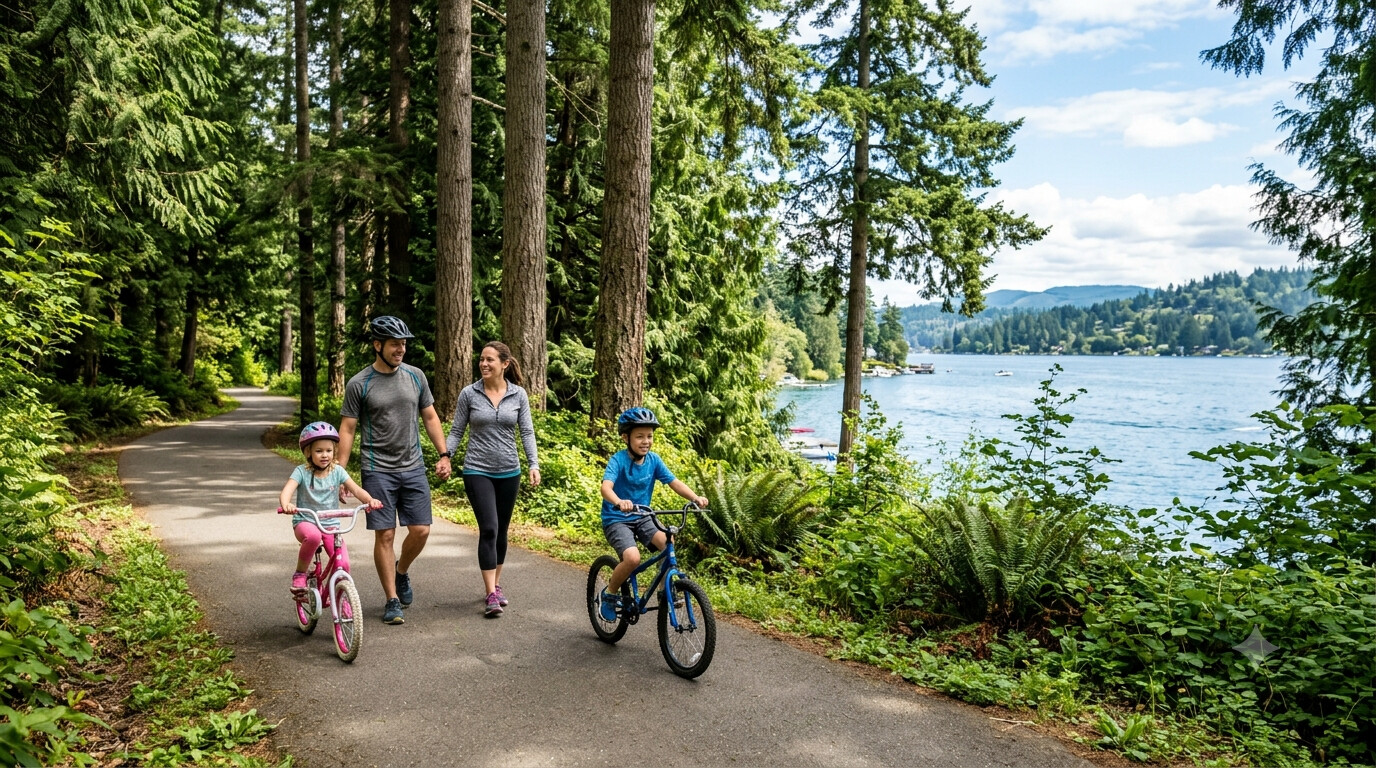
The East Lake Sammamish Trail runs 11 miles and connects directly to Lake Sammamish State Park.
Six neighborhoods, two school districts, and a price range that spans over a million dollars inside one city limit. That’s a lot to sort through from out of state, and it’s exactly the kind of decision where a local field perspective saves you from guessing.
I do pricing analysis in these neighborhoods every week as part of my BPO work, which means I’m not working from a stale market report when I tell you what a specific street is actually worth. If you’re relocating and trying to figure out which Sammamish neighborhood fits your budget and your family, reach out and let’s talk specifics.
Your guide to life outside Seattle.
253-350-0045 ·
greg@livingoutsideseattle.com ·
www.livingoutsideseattle.com
Property Tax Rates in King County Cities 2026
Buyers ask me all the time: “What are the property taxes going to be on this house?” It’s a fair question, and the answer matters more than most people realize when they’re focused on the purchase price and interest rate. On a $700,000 home, the difference between buying in Auburn and buying in Issaquah works out to roughly $2,500 a year — or about $210 a month that never shows up in a mortgage quote.
This post lays out the 2026 effective property tax rates for the eight cities I work in most across South and East King County. I also cover how the calculation works, why rates differ between cities just a few miles apart, and what this means if you’re running affordability math as a buyer or net-proceeds math as a seller.
Why King County Has No Single Tax Rate
A lot of buyers ask: “What’s the property tax rate in King County?” There isn’t one. Your bill is the sum of every taxing district whose boundary includes your property. That stack typically includes:
The Typical Levy Stack
Washington State levy — applies uniformly statewide
King County general levy — county services and administration
King County library district — public library system
City levy — varies by incorporated city; absent in unincorporated areas like Covington
School district levy — the single biggest variable between nearby cities
Fire district levy — local fire and rescue services
Emergency Medical Services (EMS) levy
Any voter-approved bond measures — school construction, parks, etc.
Two homes a mile apart — one in the Issaquah School District, one in the Kent School District — can carry meaningfully different tax bills even if their market values are identical. School district boundaries are the biggest driver of rate variation across South and East King County.
The 2026 total property tax collection in King County came in at $8.4 billion, up 10% from 2025’s $7.7 billion. That increase flows from rising assessed values, not any single rate change. But the effect on individual monthly payments is real.
2026 Property Tax Rates by City
These are median effective rates — actual tax bills divided by assessed market values — based on King County parcel data. Rates vary by ZIP code within each city, primarily because of school district boundaries. (Source: Ownwell, April 2026.)
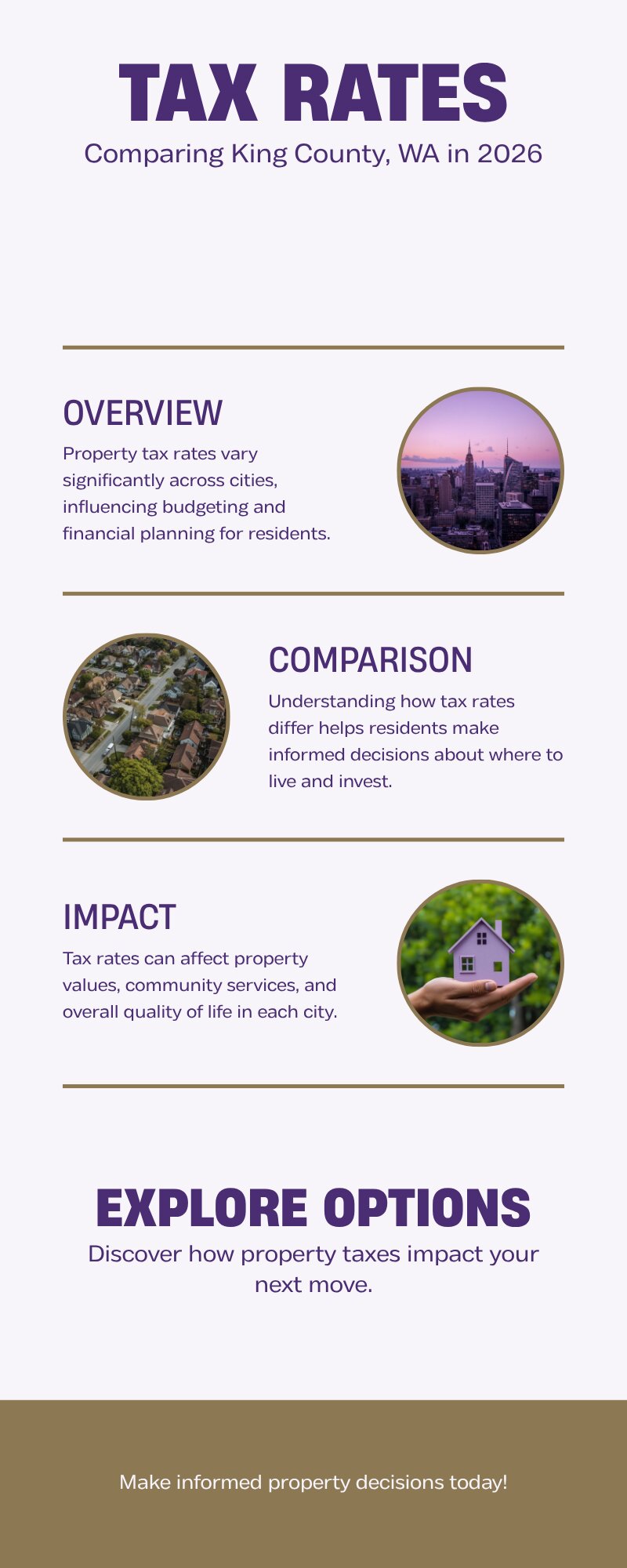
2026 effective property tax rates for eight cities in South and East King County. Auburn carries the highest rate; Issaquah and Sammamish sit well below the county median of 0.99%. Source: Ownwell, April 2026.
| City | Effective Rate | Median Home Value | Median Annual Bill |
|---|---|---|---|
| Auburn | 1.19% | $566,000 | $6,477 |
| Maple Valley | 1.11% | $722,000 | $7,963 |
| Renton | 1.03% | $688,000 | $7,145 |
| Covington | 1.03% | $574,000 | $5,862 |
| Kent | 1.01% | $587,000 | $5,919 |
| Federal Way | 1.00% | $542,000 | $5,412 |
| Sammamish | 0.89% | $1,384,000 | $12,054 |
| Issaquah | 0.83% | $1,031,000 | $9,132 |
| King County Avg | 0.99% | $774,000 | $7,644 |
How to Calculate Your King County Tax Bill
King County uses this formula:
(Assessed Value ÷ 1,000) × Levy Rate = Annual Tax Bill
For a home assessed at $650,000 in Renton with a levy rate of approximately $10.30 per $1,000:
$650,000 ÷ 1,000 = $650
$650 × $10.30 = $6,695 per year (~$558/month in escrow)
A few important things to understand about that assessed value:
King County Reassesses Every Year
Washington has no equivalent to California’s Proposition 13. Your assessed value is adjusted annually based on market conditions. If home prices in your neighborhood rose 8% last year, your assessment likely reflects that — and your bill goes up accordingly.
Your 2026 bill is calculated from the value as of January 1, 2025. So the assessment lags the market by about a year — but it catches up.
Buying at a Higher Price Does Not Reset Your Taxes
The assessor determines value independently of your sale price. A sale at market value is data they will consider in future assessments — but it doesn’t trigger an immediate reset the way it does in some other states. So if you buy a house below assessed value, your taxes don’t automatically drop either.
For the most accurate number on any specific parcel, use the King County eReal Property lookup at blue.kingcounty.com. Search by address to see the current assessed value and the levy rate stack broken down by district. It takes about 90 seconds and gives you a far more accurate number than any city average.
Why Issaquah and Sammamish Rates Are Lower
Issaquah (0.83%) and Sammamish (0.89%) sit well below the county average — yet their median tax bills are higher in dollar terms because home values there are much larger. Lower rates in these cities generally reflect two things.
First, fewer overlapping special districts. Some areas carry smaller bond debt loads than South King County cities, which compresses the total levy stack. Second — and this is the counterintuitive part — when the total assessed value base in a school district rises, the rate needed to raise the same budget dollar amount actually falls. High home values spread the levy cost across more dollars, pushing the percentage rate down.
City-by-City: What Buyers and Sellers Should Know

Understanding your property tax rate before you make an offer helps buyers budget accurately and keeps sellers from being surprised at closing.
Auburn (1.19%)
Auburn carries the highest effective rate among the cities we track, with a $6,477 median annual bill on a $566,000 home. Rates vary by ZIP — the 98001 and 98002 ZIP codes trend higher than 98092. Buyers should ask their lender to calculate PITI based on the specific parcel, not a city average.
Maple Valley (1.11%)
Maple Valley’s rate and its growing median home value combine to produce one of the larger median bills in South King County at $7,963 per year. School construction bonds have contributed to the rate here. Strong schools drive demand for the area, and those same schools come with levy costs built into the rate.
Renton (1.03%)
Renton’s 1.03% rate on a $688,000 median home produces a $7,145 median annual bill. Rates vary within Renton by school district boundary — homes in the Issaquah School District portion of eastern Renton trend lower than those in the Renton School District. This surprises a lot of buyers who assume all of “Renton” carries one rate.
Covington (1.03%)
Covington shares Renton’s effective rate but with a lower median home value ($574,000), producing a $5,862 median bill. Covington is unincorporated King County, which means no separate city levy — one reason the total rate stays competitive. For buyers priced out of Maple Valley, Covington often offers similar inventory at lower total monthly carrying costs.
Kent (1.01%)
Kent sits nearly at the county average. The $5,919 median annual bill on a $587,000 home is one of the more affordable in this group in absolute dollar terms. Kent has one of the widest ranges of home types in South King County — condos to large single-family homes — so the actual bill on any specific purchase will vary considerably from the median.
Federal Way (1.00%)
Federal Way sits right at the county median rate and has the lowest median home value on this list at $542,000, producing a $5,412 median annual bill. For first-time buyers working with a tighter budget, Federal Way offers the lowest combined price-and-tax entry point among these eight cities.
Sammamish (0.89%)
Lower rate, but higher everything else. The $1,384,000 median home value produces a $12,054 median annual bill — over $1,000 a month in tax escrow — despite the below-average rate. Sammamish draws buyers who prioritize the Issaquah or Lake Washington school districts, newer construction, and lower density. That demand drives values, which keeps the rate lower but doesn’t lower the bill.
Issaquah (0.83%)
The lowest rate on this list. Issaquah’s 0.83% on a $1,031,000 median home means a $9,132 median annual bill. Part of the reason rates are lower is that the area’s high assessed value base spreads the levy burden across more dollars. School district quality drives demand, and demand drives values — which, counterintuitively, keeps the rate lower than South King County cities.
Important Property Tax Dates in King County
| Date | What Happens |
|---|---|
| January 1 | Assessment date — value is frozen for the year’s calculation |
| February 10 | Tax bills mailed |
| April 30 | First half payment due |
| July 1 | Appeal deadline — do not miss this |
| October 31 | Second half payment due |
The appeal window matters. If you receive your assessment notice and believe the value is too high — based on comparable sales or property condition — you have until July 1 to file with the King County Board of Equalization. Once that deadline passes, your ability to contest that year’s bill is gone.
Exemptions That Can Lower Your Bill
Washington offers several exemption programs worth knowing about, especially if you’re buying for a family member or planning long-term.
Senior/Disabled Exemption. Homeowners 61 or older — or permanently disabled — with household income under the program threshold may qualify for a significant reduction in assessed value and a freeze on future increases. This is one of the most valuable programs in the state and often goes unclaimed by people who don’t know it exists.
Veteran Exemption. Qualifying veterans with a service-connected disability may be eligible for a partial property tax reduction.
All exemptions require the home to be your primary residence. Investment properties and second homes do not qualify. To apply or check eligibility, contact the King County Assessor’s office at assessor.info@kingcounty.gov or (206) 296-7300.
What This Means for Your Buy or Sell Decision
For buyers: Your lender uses your total PITI payment — principal, interest, taxes, and insurance — to calculate affordability. Property taxes are a real monthly cost, not a closing-day item. On a $700,000 home, the difference between a 0.83% rate (Issaquah, ~$484/month) and a 1.19% rate (Auburn, ~$694/month) is $210 per month. Over a 30-year loan, that’s $75,600 in additional tax payments — more than most buyers realize when they’re focused on the interest rate.
For sellers: When a buyer’s lender calculates their debt-to-income ratio, property taxes push more buyers out of qualifying range at the higher end of pricing. In cities with higher effective rates, price sensitivity tends to be greater. Knowing your city’s rate — and being able to show the buyer the actual parcel-level calculation — is a transparency move that builds trust during negotiations.
For a broader look at all the costs of owning a home in King County, this post on total cost of homeownership in King County walks through the full monthly cost picture beyond just taxes. And if you’re a seller thinking about your net proceeds, Washington’s capital gains rules are the other tax conversation worth having before you list.
Run Your Own Numbers in 90 Seconds
To get the exact levy rate for any property you’re considering:
- Go to blue.kingcounty.com/Assessor/eRealProperty
- Search by address
- Find the “Current Year Tax” section — it shows the assessed value and the levy rate stack broken down by district
- Divide the tax bill by the assessed value to get the effective rate
This is the most accurate number you’ll find. I walk buyers and sellers through this lookup regularly — it often changes how they think about two comparable homes in different parts of the county. For where home values are heading in 2026 — which directly affects future assessed values and bills — here’s the King County housing market forecast.
Frequently Asked Questions
What is the property tax rate in King County in 2026?
The countywide median effective rate is 0.99%, but rates vary by city from 0.83% (Issaquah) to over 1.19% (Auburn). The rate for any specific property depends on all the overlapping taxing districts — state, county, city, school district, fire, EMS, and local bond measures.
When are King County property taxes due in 2026?
Half by April 30, and the other half by October 31. Tax bills are mailed in February. If your home has a mortgage, your lender typically collects taxes through escrow and pays on your behalf.
When is the King County property tax appeal deadline?
July 1 each year. If you receive your assessment notice and believe the value is too high, file with the King County Board of Equalization before that date. You’ll need supporting evidence like comparable sales or documentation of property condition issues.
Does buying at a higher price increase your property taxes right away?
Not automatically. King County reassesses independently based on market data. Your sale price is information the assessor will consider, but the assessment may not change until the next annual cycle. That said, sales well above assessed value typically result in higher assessments in subsequent years.
Where can I look up the exact property tax for a specific address?
Use the King County eReal Property portal at blue.kingcounty.com/Assessor/eRealProperty. It shows the current assessed value, each levy in the stack, and the total bill for any parcel in the county.
Are there exemptions that lower property taxes in King County?
Yes. The Senior/Disabled exemption is the most significant — qualifying homeowners 61 or older with income under the program threshold can freeze their assessed value and reduce their bill. Veteran exemptions are also available. All require the home to be your primary residence. Contact the King County Assessor at (206) 296-7300 or assessor.info@kingcounty.gov to check eligibility.
Data sourced from Ownwell (April 2026) and King County Assessor public records. Rates shown are median effective rates and will vary by specific parcel and ZIP code within each city. Verify levy rates for any specific property at blue.kingcounty.com before making financial decisions.
Your guide to life outside Seattle.
253-350-0045 ·
greg@livingoutsideseattle.com ·
www.livingoutsideseattle.com
Rent vs. Buy in Bellevue WA 2026: The Real Numbers

Is staying a Bellevue renter actually costing you more than a mortgage? The math is more complicated than your landlord thinks — here’s the honest breakdown.
If you’re renting in Bellevue right now, someone has probably told you that you’re throwing money away. And someone else has probably told you that buying a $1.5 million home at 6.5% is financial suicide. Both arguments have merit. Neither one gives you a complete picture.
I work in King County real estate every single day, and the rent vs. buy question in Bellevue is one of the most nuanced I get. The city has some of the highest home prices in Washington — and some of the highest rents too. That changes the math compared to a typical analysis. What I’ll walk you through here is the actual 2026 cost comparison: what you’re paying as a renter, what you’d pay as a buyer, where the break-even point actually sits, and what DPA programs exist for buyers at Bellevue price points.
What Bellevue Renters Are Actually Paying in 2026
Bellevue rents have softened slightly from their peak — but they’re still among the highest in Washington State. Here’s where the market sits right now:
A one-bedroom apartment in Bellevue runs roughly $2,485–$2,889/month depending on the neighborhood and building. A two-bedroom ranges from $3,135 to $4,389/month. The city-wide average across all unit types is around $2,717/month, down about 1.25% from last year.
Downtown Bellevue and the Bel-Red corridor sit at the top of that range. You’ll find more affordable options on the Bellevue-Redmond border or near Factoria, but even those aren’t cheap. Bellevue rents run roughly 54% above the U.S. average.
For a renter in a two-bedroom apartment paying $3,295/month, that’s $39,540 per year going to a landlord. Over five years, that’s $197,700. Over ten years, that’s $395,400 — and rent almost certainly increases at least 2–3% per year, so the real ten-year number is closer to $440,000–$460,000.
That number sounds alarming. But before you run out and make an offer, let’s look at what ownership actually costs.
What Buying in Bellevue Actually Costs in 2026
The median sale price in Bellevue is approximately $1.45–$1.6 million depending on the data source and month. For this comparison, I’ll use $1.5 million as a workable midpoint — which is consistent with recent Redfin data.
Here’s the monthly ownership math on a $1.5M home with 20% down ($300,000):
Monthly Cost Breakdown: Owning a $1.5M Bellevue Home
Loan amount: $1,200,000 (after 20% down)
Principal + Interest at 6.5%: ~$7,585/month
Property taxes (0.75–1.0% effective rate): $937–$1,250/month
Homeowner’s insurance: ~$200–$250/month
Maintenance reserve (1% of value/year): ~$1,250/month
Total estimated monthly cost: $9,972–$10,335/month
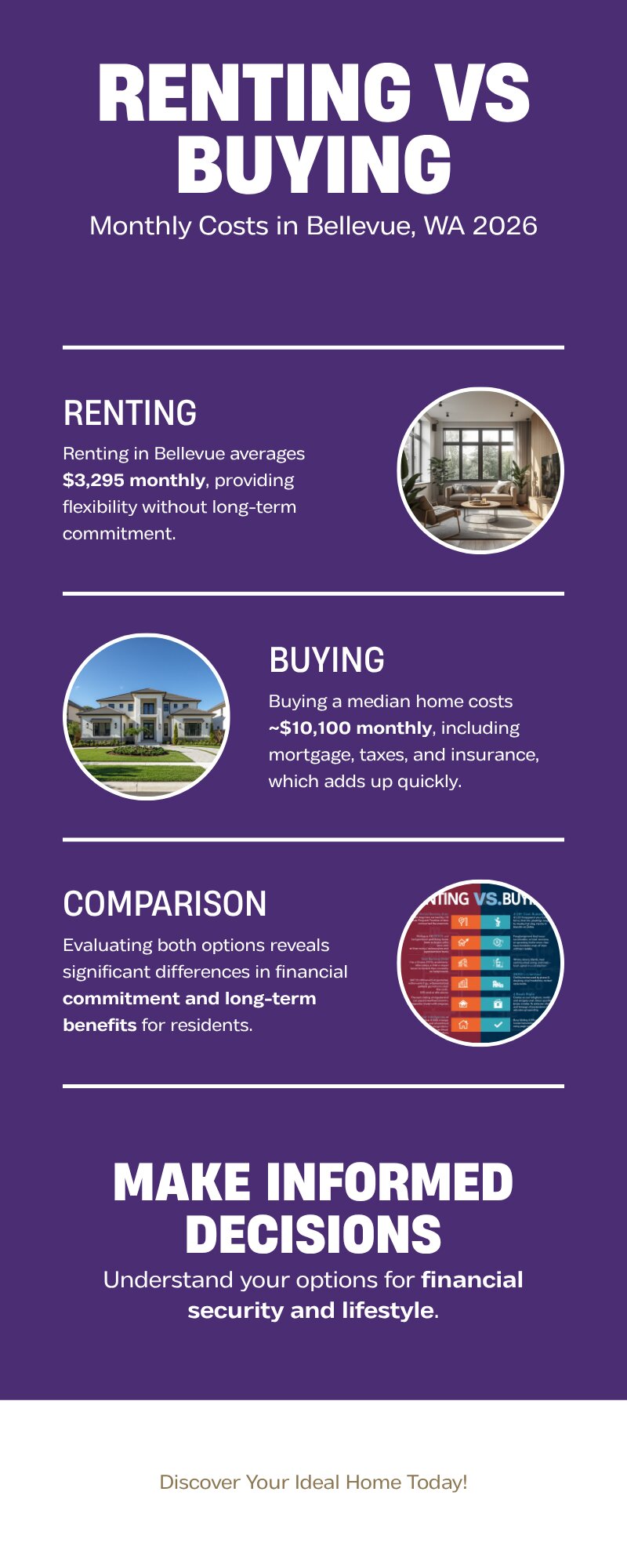
Monthly cost breakdown based on $1.5M median home, 20% down, 6.5% 30-year fixed rate, plus property taxes and maintenance reserve. Source: Redfin, King County Assessor, 2026.
That’s a significant gap from what most two-bedroom Bellevue renters are paying. Even if you’re in a premium $4,400/month two-bedroom, you’re looking at nearly $6,000 less per month than full ownership costs on the median Bellevue home.
What If You Put Less Down?
Most first-time buyers in Bellevue can’t put $300,000 down. If you put 10% down ($150,000) instead, your loan becomes $1,350,000 and your P+I payment climbs to approximately $8,534/month — plus you’d pay PMI (roughly $200–$300/month) until you reach 20% equity. Total monthly cost: $10,200–$10,800+.
The 5% down scenario is even more expensive on a monthly basis, which is why a lot of Bellevue renters who could technically qualify for a mortgage decide to keep renting while they save.
The Break-Even Question: When Does Buying Win?
Here’s the honest answer: at current Bellevue prices and mortgage rates, the break-even horizon is long.
The price-to-rent ratio in Bellevue tells a lot of the story. Take the median home price of $1.5M and divide it by annual rent for a comparable space — say $48,000/year for a two-bedroom. That’s a price-to-rent ratio of about 31. Financial analysts generally say ratios above 25 favor renting. Bellevue is well above that.
Studies of comparable high-cost West Coast markets (Seattle, Portland, Los Angeles) put the typical break-even timeline at 16–23 years when factoring in total costs — mortgage interest, property taxes, maintenance, transaction costs on both ends, and lost investment returns on the down payment. In Bellevue, where prices are higher even than broader Seattle, the honest break-even is likely on the longer end of that range for buyers who aren’t putting at least 20% down.
Down Payment Assistance for Bellevue Buyers
One factor that changes the math: down payment assistance. Bellevue buyers have access to real programs — though at Bellevue price points, most DPA programs hit their purchase price limits quickly.
Here’s what’s available right now:
ARCH East King County DPA
The most Bellevue-specific program available. Provides up to $50,000 in deferred-loan down payment assistance for first-time buyers in East King County — including Bellevue and Kirkland. Income limits are set at 80% of Area Median Income. Given Bellevue’s high AMI, many buyers qualify on income even with solid salaries.
WSHFC Home Advantage
Washington State’s primary DPA program offers up to 4% of the loan amount as a second mortgage for down payment and closing costs. On a $1.2M loan, that’s up to $48,000 — meaningful, but it doesn’t close the gap on a 20% down payment.
WSHFC Opportunity DPA
Up to $15,000 for buyers under the income limits. More targeted toward the $400K–$750K purchase price range; income limits may restrict eligibility at median Bellevue prices.

Down payment assistance programs available to Bellevue-area buyers as of June 2026. Income and purchase price limits apply. Contact a WSHFC-approved lender for current eligibility.
The honest reality: most DPA programs work best in the $400K–$750K purchase price range. Bellevue’s median is double that. But for buyers targeting condos or smaller attached homes in the $650K–$900K range — which do exist in Bellevue — DPA can be a genuine option. Check out our full breakdown of King County down payment assistance programs for current eligibility details.
The King County Angle: Condo Entry Points in Bellevue
If the $1.5M median feels out of reach, Bellevue condos are a different conversation. The King County condo median sits around $550,000–$650,000 citywide, and Bellevue has options in that range — particularly in the Bel-Red corridor and parts of East Bellevue.
At $650,000 with 10% down ($65,000), the monthly P+I at 6.5% is approximately $3,700. Add property taxes (~$406/month), insurance (~$100/month), HOA (varies — budget $400–$700/month for a newer building), and you’re looking at roughly $4,600–$5,000/month total. That compares much more closely to what a two-bedroom apartment costs in Bellevue.
The break-even timeline on a Bellevue condo is shorter — likely in the 6–10 year range depending on appreciation — and DPA programs are more likely to apply at this price point.
Understanding what rates are doing right now is important to this math. If you haven’t looked at current King County mortgage rates, that post walks through what buyers are actually paying in 2026. Before committing to either path, it’s also worth running through the total cost of homeownership breakdown — most buyers underestimate the non-mortgage costs by 20–30%.
What the Right Answer Actually Looks Like
The rent vs. buy decision in Bellevue isn’t one-size-fits-all. Here’s a practical framework based on what I see working for buyers in this market:
Lean Toward Continuing to Rent If:
You expect to move within 5 years. You haven’t saved at least 10% down plus closing costs (3–4% of the purchase price). Your debt-to-income ratio would be stretched at current payment levels. You’re not fully qualified yet — understanding mortgage qualification requirements first is a good use of 20 minutes.
Lean Toward Buying If:
You’re planning to stay 10+ years. You have at least $150K–$300K saved for a down payment (or can qualify with DPA assistance at a lower price point). The monthly payment fits comfortably — no more than 28–30% of gross income. You want stability: a fixed mortgage doesn’t go up every year the way rent tends to.
One variable that tilts the analysis more toward buying than the raw monthly numbers suggest: rent inflation. Bellevue rents have historically increased 3–5% per year over time. A fixed-rate mortgage, by contrast, locks your P+I payment permanently. The gap between renting and owning narrows significantly over 10–15 years when you factor in rent escalation.
FAQ: Rent vs. Buy in Bellevue 2026
How much does it cost to buy a home in Bellevue WA in 2026?
The median sale price is approximately $1.45M–$1.6M. A 20% down payment on a $1.5M home is $300,000. At 6.5% on a 30-year fixed, monthly principal and interest is approximately $7,585. Total monthly costs including taxes, insurance, and maintenance typically run $9,500–$10,500/month for a median Bellevue home.
Is it cheaper to rent or buy in Bellevue right now?
Renting is cheaper on a monthly basis for most buyers at current prices and rates. A two-bedroom Bellevue apartment averages roughly $3,100–$4,400/month, compared to $9,500–$10,500/month to own the median home. The ownership case is built on equity accumulation and rate stability over a long horizon, not short-term payment savings.
How long do you need to stay in Bellevue for buying to make financial sense?
In high-cost markets like Bellevue, the break-even timeline is typically 10–16 years when factoring in transaction costs, maintenance, and the opportunity cost of the down payment. If you’re planning a 5-year stay or less, renting likely wins financially.
Are there down payment assistance programs for Bellevue buyers?
Yes. The ARCH East King County DPA program provides up to $50,000 in deferred-loan assistance for eligible buyers. WSHFC Home Advantage offers up to 4% of the loan amount. These programs work best for buyers targeting the lower end of the Bellevue price range — condos and attached homes in the $600K–$800K range.
What’s the price-to-rent ratio in Bellevue?
Bellevue’s price-to-rent ratio is approximately 30–35 based on current median home prices and average rents. Ratios above 25 generally favor renting over buying from a pure monthly-cost perspective.
Should I buy a condo in Bellevue instead of renting?
Bellevue condos in the $600K–$750K range have a more favorable rent-vs-buy comparison than single-family homes. Total monthly costs can be $4,500–$5,200/month — much closer to what two-bedroom apartments cost. If you’re a first-time buyer in Bellevue, this price point deserves a serious look before ruling out homeownership entirely.
Here’s what I tell Bellevue renters who come to me with this question: run your own numbers, not a national average. The right answer depends on your savings, your timeline, your income stability, and how much the idea of a fixed housing cost for 30 years is worth to you. The financial case isn’t as clean as either side makes it sound.
Your guide to life outside Seattle.
253-350-0045 ·
greg@livingoutsideseattle.com ·
www.livingoutsideseattle.com
This Guide Has Moved
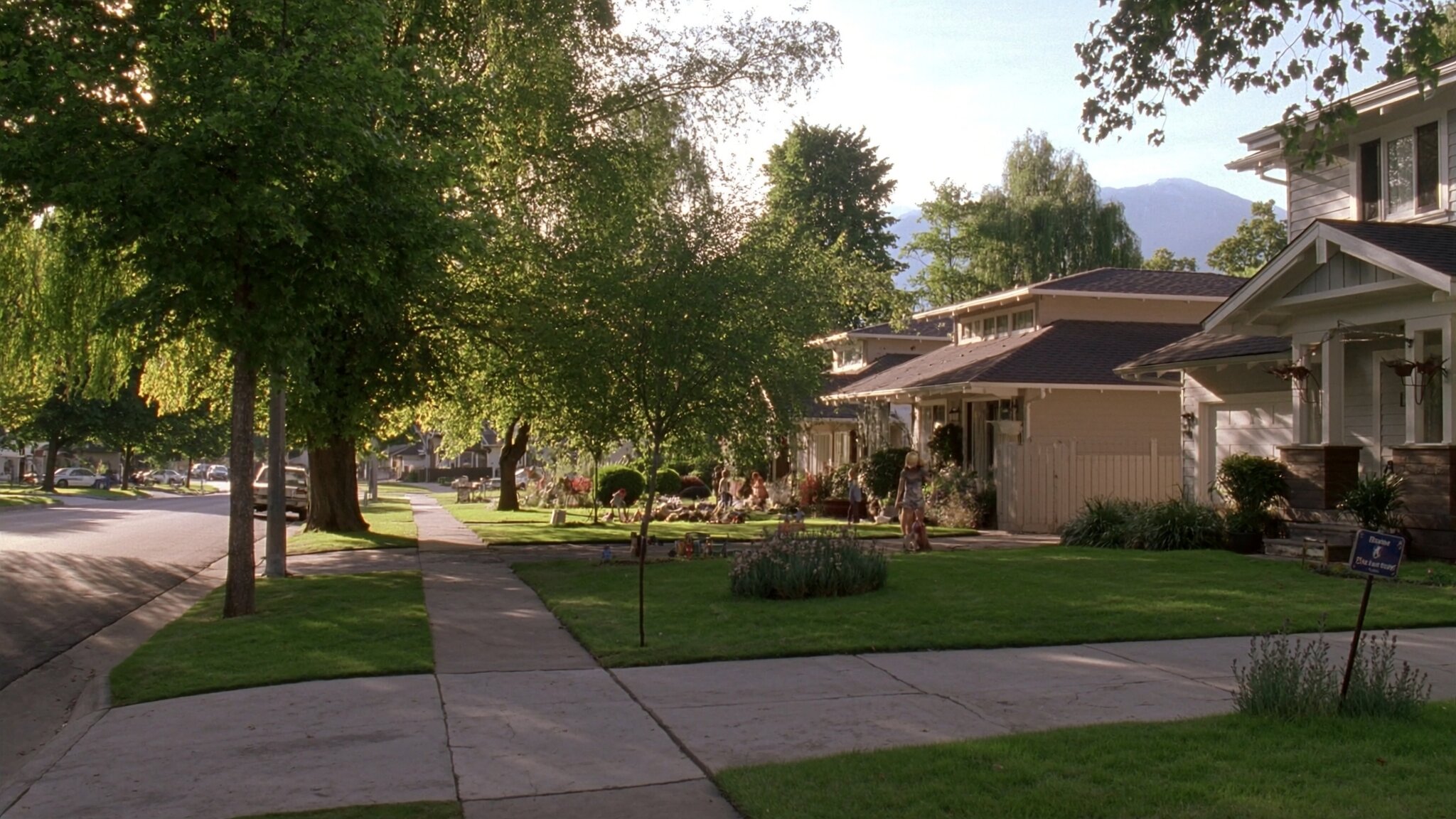
This article has been folded into our maintained guide: Living in Issaquah, WA: Your 2026 Real Estate & Lifestyle Guide. You are being taken there now.
Relocating to King County from Out of State: 2026 Guide
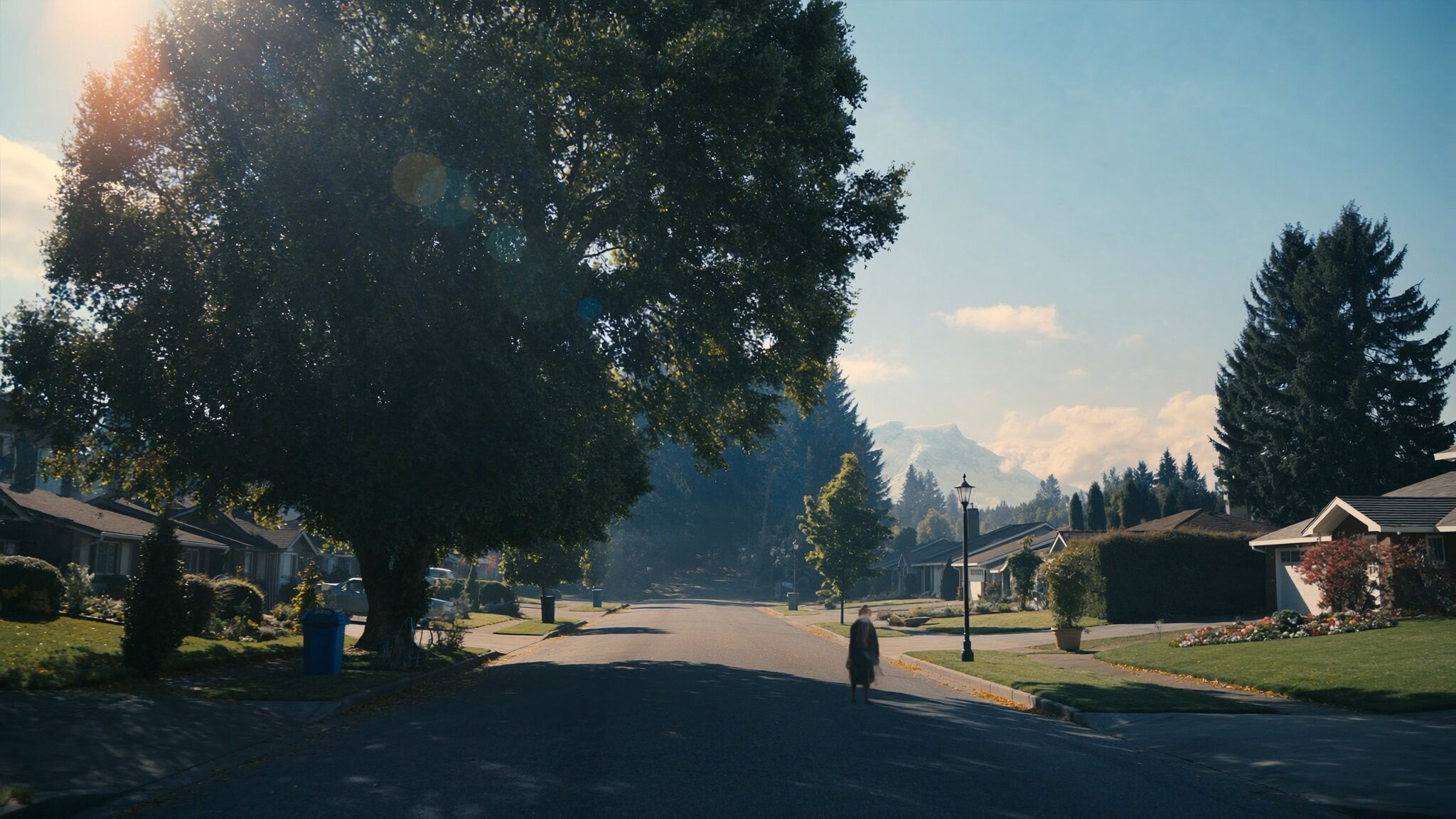
A complete guide to neighborhoods, commutes, school districts, home prices, and how to buy before you move — from a local agent who knows this market by the block.
Most people moving to King County from out of state make the same mistake. They pick a city based on how close it is to downtown Seattle — and end up in a neighborhood that costs more, commutes worse, and feels nothing like what they imagined. I’ve helped enough relocators land here to know that the research most people do from a thousand miles away misses the things that actually matter once you show up.
This guide is the one I wish every out-of-state buyer had before their first house-hunting trip.
The City You Think You Want vs. the City That Actually Fits
When people tell me they’re moving to King County, they usually say “Seattle” or “Bellevue.” Those are fine places — I’m not going to talk you out of them — but they’re not the only options, and for most buyers coming from places like Phoenix, Denver, or the Bay Area, they’re not the right options either.
Here’s the honest breakdown.
Seattle
Urban neighborhoods, walkable coffee shops, quick access to Amazon and the medical corridor. Condos start around $500,000 and single-family homes run $871,000 median. If you’re working downtown and don’t have kids in public school, Seattle makes a lot of sense. If you’re working remotely or your employer is on the Eastside, the math gets harder fast.
Bellevue and the Eastside Tech Corridor
Redmond, Kirkland, and Sammamish are where most Microsoft, Google, and Amazon Eastside employees land. Schools are exceptional. Median prices are high: Bellevue runs $1.2 million and up, Sammamish hovers around $1.3 million. Issaquah sits at roughly $950,000 and still delivers top-tier school district quality for meaningfully less than its neighbors — that’s a real value play on the Eastside.
South King County
This is where I’d send most relocating families who are sticker-shocked by Eastside prices. Renton: $763,000 median, 12 miles from downtown Seattle, direct freeway access to the Boeing complex and the Amazon Renton campus. Kent: $647,000 median, the largest city in South King County, commuter rail service and one of the most diverse food scenes in the county. Auburn: $609,000 median, opening three new schools and rapidly growing. Maple Valley and Covington offer a quieter, more rural feel with large lots and 30-35 minute drives to employment centers.
None of those cities feel like settling. They feel like what most of the Pacific Northwest actually looks like — big trees, trail access, good neighbors, reasonable prices.
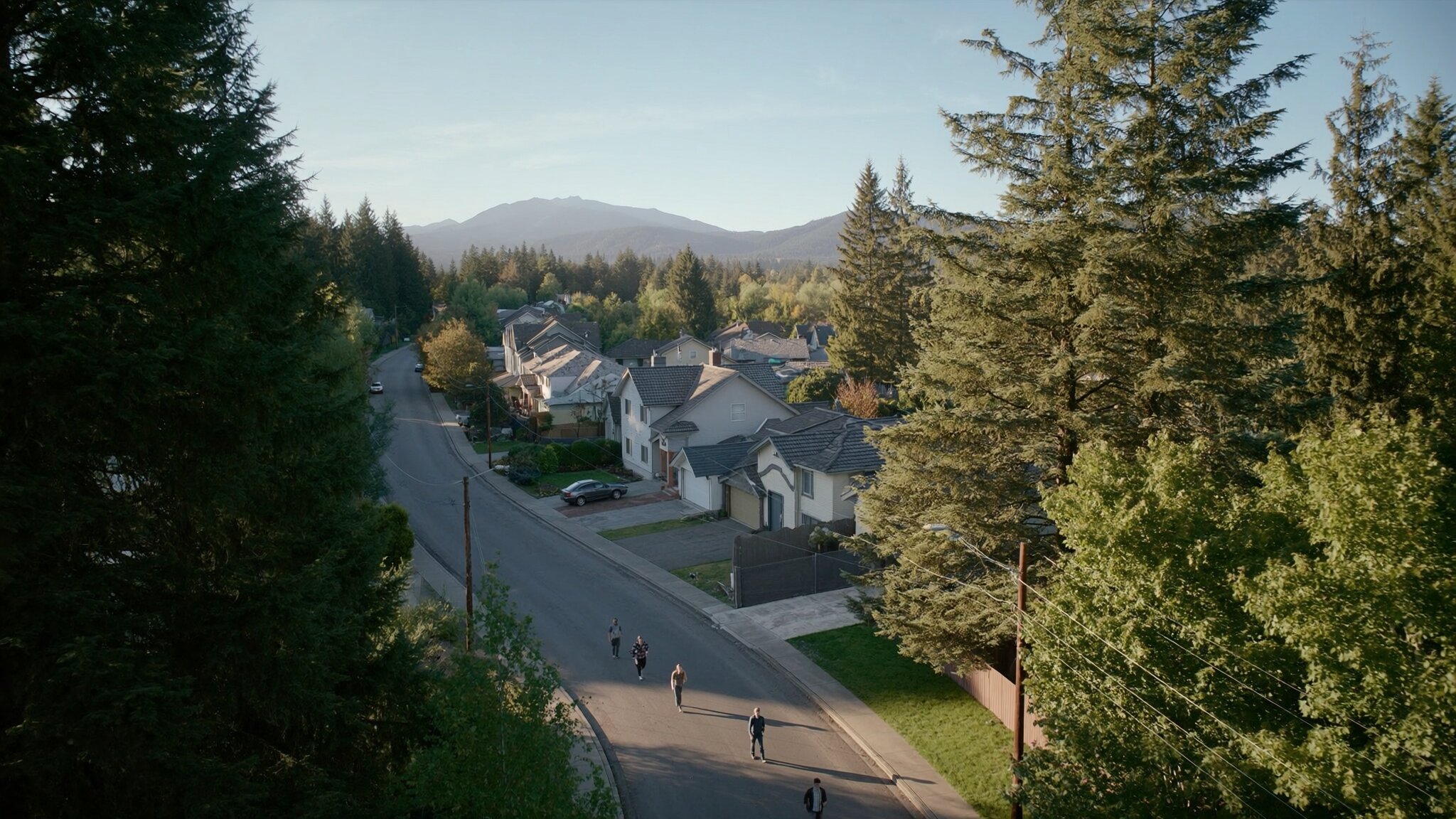
South King County neighborhoods like Renton, Kent, and Auburn offer large lots, trail access, and mountain proximity — at prices well below the Eastside.
What Surprises Relocators Most
I’ve had this conversation dozens of times. Here are the things that catch people off guard.
The gray is real, but it’s not rain. Seattle averages 92 rainy days a year — actually fewer than New York City or Miami. What people don’t expect is the persistent overcast: from October through May, the sky is more often gray than blue. It’s rarely dramatic. It’s just steady. Locals wear hoods, not umbrellas. You get used to it, but it’s worth knowing before you buy a house with a south-facing yard expecting sunshine nine months a year.
Traffic is directional and predictable. The I-405 corridor and I-5 are congested at the same times every day. If your commute runs south-to-north in the morning, you’re going the right direction. The light rail — which now reaches Federal Way and will extend further — is worth building your neighborhood choice around. I always ask relocating buyers: what’s your daily destination, and what time of day? That answer often changes which city we’re looking in.
Washington has no state income tax. This is the one that catches transplants from California off guard in the best way. Washington’s sales tax runs about 10.35% in King County, which is higher than you may be used to. But for most buyers, the absence of state income tax more than makes up for it. At a $200,000 household income, the tax savings versus California run roughly $16,000 a year.
The housing market here moves fast. South King County homes were selling in 6-14 days on average as of spring 2026. Coming from a slower market, buyers often underestimate how quickly they need to be ready to act. I’ve watched buyers from out of state lose homes they loved because they needed two more days to decide. Get pre-approved before you start touring — that’s the single biggest thing you can do to protect yourself.
School Districts: What the Rankings Don’t Tell You
If you have kids, school districts will drive a significant part of your city decision. Here’s how King County’s major districts actually stack up.
Tier 1 (Exceptional, reflected in prices): Bellevue, Mercer Island, Lake Washington, Northshore, and Issaquah school districts all carry top ratings and directly drive home values. If you’re buying in Issaquah, you’re getting Tier 1 schools at prices that are meaningfully below Bellevue and Sammamish — that’s the best value on the Eastside for school-focused families.
Tier 2 (Solid, good value): Federal Way Unified has improved significantly over the past five years and serves a growing commuter population near the new light rail station.
Tier 3 (Uneven — research by school, not just district): Renton and Kent school districts have significant internal variation. Hazen Senior High in Renton ranks #82 statewide, while other Renton high schools rank much lower. When I’m working with a relocating family buying in Renton or Kent, I always map the home address to the specific school assignment before we make an offer. The difference between two houses a mile apart can be significant.
Auburn School District is mid-tier overall but actively investing — three new schools are in development, and the district is growing alongside the city. If you’re buying in Auburn with a 10-15 year horizon, you’re buying into an improving situation.
How to Buy a Home Before You Move
This is the part most relocation guides skip over. Buying a home you’ve never stood inside, in a city you’ve never lived in, with an agent you met on Zoom — it’s genuinely stressful. Here’s how to do it right.
Buying from out of state works — but it takes the right prep. Full pre-approval, a local agent, and at least one in-person trip before closing.
Get fully pre-approved before you tour anything
Not pre-qualified — pre-approved, with income documentation verified and a real credit pull completed. Remote workers should get a Permanent Remote Work Letter from their employer in writing before applying. Verbal confirmation won’t satisfy an underwriter when you’re competing against local buyers who’ve been pre-approved for weeks.
Use virtual tours to eliminate, not to decide
Video tours are useful for crossing homes off the list. They are not reliable for choosing one. If at all possible, plan one trip to King County before your closing date — ideally to tour your top two or three candidates in person, walk the neighborhoods, and get a feel for the commute. If travel truly isn’t possible, ask your agent to do a live video walkthrough during a private showing and narrate everything the camera doesn’t capture.
Understand how Washington closings work
Washington is an escrow state. There are no real estate attorneys at the closing table — an escrow officer and title company facilitate the process. Closings can be done electronically, which makes remote buying workable. You’ll wire funds and sign documents digitally. The process is straightforward once you know what to expect. Also know that Washington’s wet western climate makes moisture intrusion, crawl space condition, and roof health the top three inspection items — do not skip the inspection to be competitive.
The Local Angle: What the King County Market Looks Like Right Now
King County inventory is up roughly 35% year over year as of spring 2026. That’s meaningful. It means relocators have more options, more negotiating leverage, and fewer situations where they need to waive every contingency to win. Inspection contingencies are back on the table in most South King County transactions. Seller concessions — including buydowns and closing cost help — are more common than at any point since 2019.
For a relocator on a tight timeline, this is a much better environment than 2022 or 2023. You’re not walking into a war. You’re walking into a real market where your offer gets read and your questions get answered.
The overall King County median was $880,000 in March 2026. But that number obscures the real value story. If your target is South King County — Renton, Kent, Auburn, Maple Valley — you’re looking at a $609,000 to $763,000 range, with growing inventory and motivated sellers.
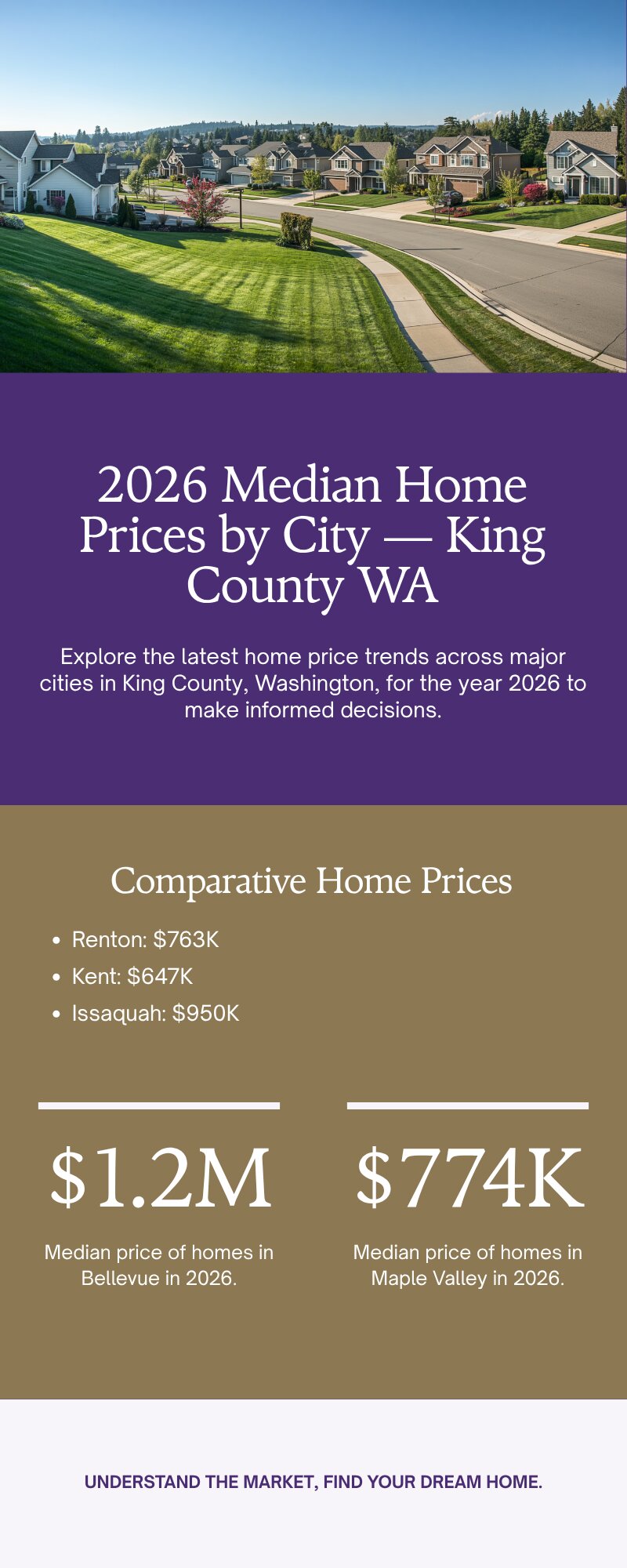
2026 median home prices across King County. South King County cities offer the best value for relocators who don’t need to be in Seattle or on the Eastside every day. Source: King County MLS, spring 2026.
For more on what’s driving these conditions, see my King County mortgage rates overview for 2026 and total cost of homeownership breakdown by city.
What This Means for You as a Relocating Buyer
Start your neighborhood research with your daily destination, not with a map of the county. Where will you spend Tuesday mornings? That question is more useful than “how far is it from downtown Seattle.”
Build your city shortlist around school district tier, commute direction, and price ceiling — in that order. Then let the neighborhoods inside those cities narrow your search.
Get pre-approved before your first house-hunting trip. In South King County, a well-priced home can go under contract in a week. Showing up financially ready is the difference between buying the house and watching it disappear.
And check the down payment assistance programs available to King County buyers. If your household income is under roughly $175,000, you may qualify for programs that put $10,000 to $55,000 toward your down payment. See the full 2026 down payment assistance guide for eligibility and how to stack programs.
If you’re also weighing where to land specifically in South King County, my guide to relocating to Auburn, Washington covers one of the county’s fastest-growing cities in detail.
Frequently Asked Questions
Is King County expensive compared to other major metros?
King County’s median home price of $880,000 puts it in the top tier nationally — roughly on par with Los Angeles and San Diego. However, the absence of Washington state income tax makes total cost of living comparisons more favorable than the home price alone suggests. At a $200,000 household income, the tax savings versus California run roughly $16,000 a year — which offsets a meaningful portion of the price premium over time.
How long does it take to buy a home in King County?
From pre-approval to closing, most transactions run 30 to 45 days. In competitive South King County neighborhoods, timelines can compress. An out-of-state buyer with full pre-approval and a clear target area can move from first showing to accepted offer in a single trip if the timing is right.
Do I need to be physically present to close?
No. Washington State allows electronic closings. You can sign documents remotely and wire funds from anywhere. Some buyers close on King County homes without ever setting foot in the state prior to moving in — though I strongly recommend at least one visit before making an offer.
What are the biggest mistakes out-of-state buyers make?
Three come up repeatedly: choosing a city based on proximity to Seattle when their actual commute destination is elsewhere; arriving without pre-approval and losing homes they loved; and skipping the inspection to strengthen an offer — a risk that almost never pays off in a western Washington climate.
What school districts are best for families relocating to South King County?
Within South King County, the answer is school-specific rather than district-specific. Renton and Kent both have high-performing individual schools alongside lower-performing ones. When I’m working with a family in those areas, we map every address to its specific school assignment before making an offer. Issaquah School District is the clearest top-tier pick on the Eastside at a relatively accessible price point.
Is now a good time to buy as a relocating buyer?
King County inventory is at its highest level in years, inspection contingencies are standard again in most areas, and seller concessions are available. For a relocating buyer with solid pre-approval and flexibility on timing, this is a more favorable environment than it’s been since before the pandemic. See the total cost of homeownership guide for the math on waiting vs. buying now.
Moving to King County is a big decision. The region is genuinely excellent — trails, mountains, water, good jobs, and communities that feel like home once you’re here. The hard part is choosing the right community before you’ve lived in any of them. That’s what I’m here for.
Your guide to life outside Seattle.
253-350-0045 ·
greg@livingoutsideseattle.com ·
www.livingoutsideseattle.com
