

 Facebook
 X
X
 Pinterest
 Copy Link
How Real Estate Agents Price Homes in King County

Most agents estimate your home’s value. Here’s how I assess it — and what that difference means for your final sale price in King County.
You asked three agents what your home is worth. You got three different numbers. Maybe the spread was $40,000. Maybe it was $80,000. Now you’re trying to figure out who’s right and why the gap exists.
Here’s the honest answer: most agents build their price estimate around a handful of recent sales in their transaction history. They pull some comps from the MLS, do some quick math, and give you a number. It’s not reckless — it’s just limited. They’re working from a small sample of deals and general pattern recognition built up over time.
I do this differently. When I first moved to the Seattle area, I also trained as a BPO field agent. I still do that work today. That means I physically assess property values for banks and mortgage servicers — dozens of homes per week across Issaquah, Renton, Kent, Auburn, Maple Valley, and surrounding communities. Every assessment sharpens my pricing instincts a little more. So when I sit down to price your home, I’m not estimating. I’m applying the same methodology that lenders use when real financial decisions are on the line.
That distinction matters more than ever in today’s King County market, where the gap between a well-priced home and an overpriced one is measured in weeks and tens of thousands of dollars.
What Most Agents Do When They Price a Home
A Comparative Market Analysis — the CMA you’ll get from most agents — is an informal estimate. There’s no standardized format, no set methodology, and no external accountability behind the number. The agent pulls three to five recent sales near your property, makes some adjustments for square footage and condition, and arrives at a price.
That’s a reasonable starting point. But CMAs have limitations most sellers don’t realize. Comp selection is subjective. Two agents can look at the same MLS data and weight different factors differently — one emphasizes lot size, another emphasizes recent updates, another adjusts more aggressively for street appeal. That’s how two professionals looking at identical information arrive at numbers that are $60,000 apart.
CMAs are also built on whatever transactions the agent happens to have completed recently. An agent who primarily works in Bellevue but occasionally lists in Renton is working from secondhand knowledge of the Renton market. Their comps may be technically defensible, but they’ll miss the micro-patterns that only come from pricing properties in that specific area every week.
If you want to understand what a CMA looks like and how to evaluate one, I wrote a full breakdown at How to Read a CMA: King County Seller Guide.
What a BPO Is — and Why It’s Different
A Broker Price Opinion is a formal valuation ordered by a lender, mortgage servicer, or investor. BPOs are used for loan modifications, short sales, foreclosures, estate settlements, and portfolio valuations. The bank literally trusts this number to make a financial decision.
That accountability changes how the work gets done.
A BPO follows a standardized format. It documents the subject property’s condition, identifies comparable sales using specific criteria, makes adjustment calculations that have to be defensible, and produces a formal report. Unlike a CMA, there’s no room for gut-feel handwaving. The methodology has to hold up.
BPO field agents complete dozens of these assessments per month. They physically visit properties, photograph them, document conditions, and cross-reference against recent sales across a wide range of neighborhoods. Over time, that volume of work develops a pricing instinct that’s hard to match through occasional transactions alone.
The differences between a BPO and a CMA aren’t just procedural. BPOs are more detailed and accurate than CMAs — sitting between a casual CMA and a full certified appraisal in rigor and specificity. The formal report format, the standardized comparable criteria, and the volume of assessments that BPO agents complete all contribute to better-calibrated pricing.
How I Price Your Home
When I prepare a listing analysis for one of my sellers, I use the BPO framework as the foundation. In practice, that means:
Comparable selection with real criteria
I don’t just pull the nearest five sales. I look for comps that match your property’s footprint, condition, age, lot characteristics, and neighborhood micro-location as closely as possible. If there’s a busy road nearby, or a school district boundary running through your block, I account for that. In South King County, where prices can shift $30,000 to $50,000 from one side of a school district line to another, this specificity is not optional.
Condition-based adjustments that reflect what buyers actually pay
A dated kitchen and a remodeled kitchen in the same neighborhood are not worth the same amount. I’ve seen enough transactions to know what buyers actually pay for specific upgrades in specific sub-markets — not what the rule of thumb suggests, but what real closed sales show.
Active market awareness that comps can’t give you
Because I’m in the field pricing properties every week, I know when buyer activity is shifting before it shows up in closed sales data. Closed sales have a 30 to 60-day reporting lag. If demand softened three weeks ago, it won’t appear in the comps yet — but I’ll already know it from the assessments I’m completing on the ground.
Why This Matters for Sellers Right Now
King County’s market has shifted in 2026. Median days on market has climbed to 12 to 24 days depending on area and property type. That still sounds fast by national standards, but here’s what the data actually shows: well-priced homes are moving in 11 to 13 days and roughly 30% are closing above asking. Homes priced even 5% above where buyers are focused are sitting 40 to 60 days, collecting price reductions that signal weakness to every buyer who comes along.
Price reductions don’t just cost you time. They cost you money. Buyers who’ve watched a listing accumulate days on market know the seller is losing leverage with every passing week. They negotiate harder. The damage to your net proceeds compounds.
Getting the price right from day one is how you protect the final number. A well-priced listing generates more showings, more competing interest, and more negotiating strength. You can read more about how pricing strategy affects your outcome at How to Price Your Home to Sell in King County 2026.
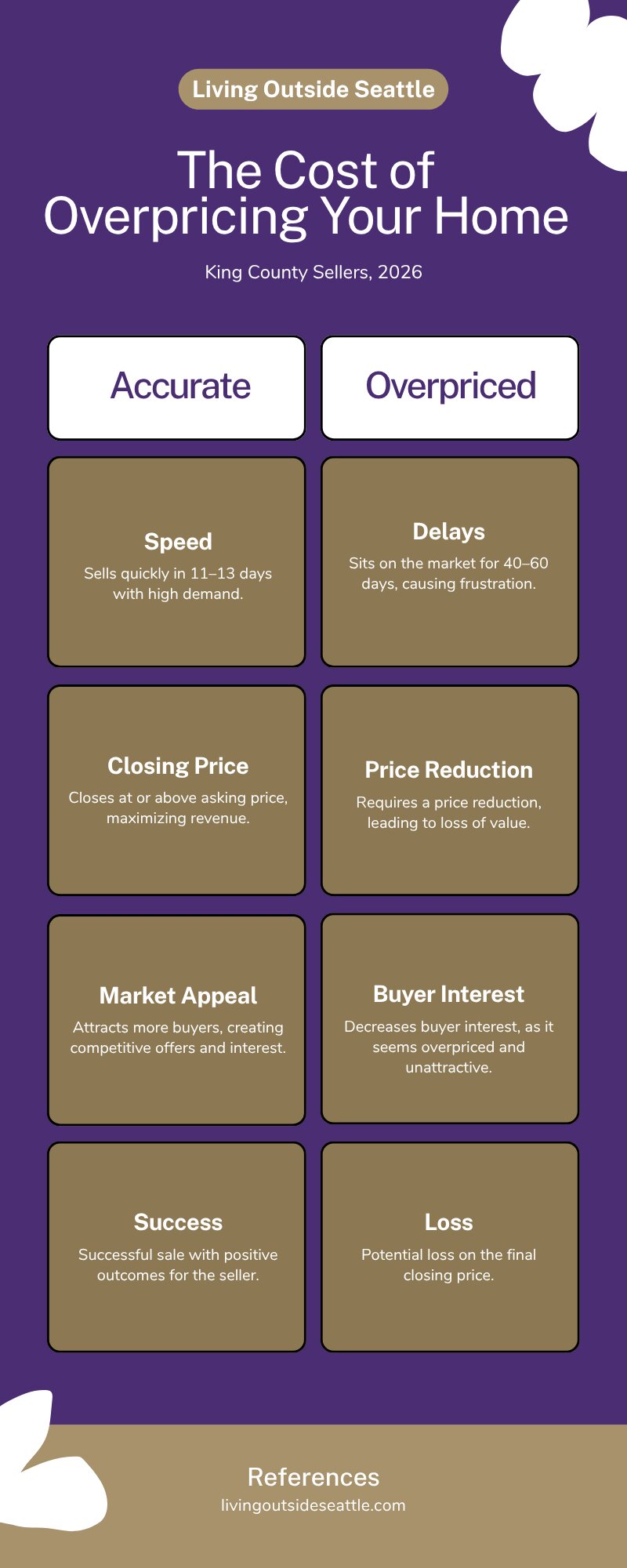
Well-priced homes in King County are moving in 11–13 days. Overpriced by 5%? Expect 40–60 days and a price cut.
The King County Angle: What I See Every Week in the Field
South and East King County is not one uniform market. It’s a collection of micro-markets with their own pricing dynamics, and they don’t always move in the same direction at the same time.
Renton’s Kennydale neighborhood commands a consistent premium over Renton Highlands, even for similar square footage, because of its proximity to Lake Washington and its commute position to Bellevue and Seattle. On Renton’s Benson Hill, a school district boundary can shift comparable values by $25,000 to $40,000 on identical floorplans, depending on which side of the line a home sits.
In Auburn, the Lakeland Hills community prices at a measurable premium over comparable homes near downtown Auburn because of its newer construction base and neighborhood feel. In Kent, homes in the East Hill school zone above the ridge tend to hold value more consistently than similar square footage in the valley floor near downtown Kent.
These patterns don’t show up cleanly in a zip-code-level CMA. They show up when you’re pricing properties in these neighborhoods every week and watching what buyers actually pay — not as a transaction observation, but as an ongoing calibration.
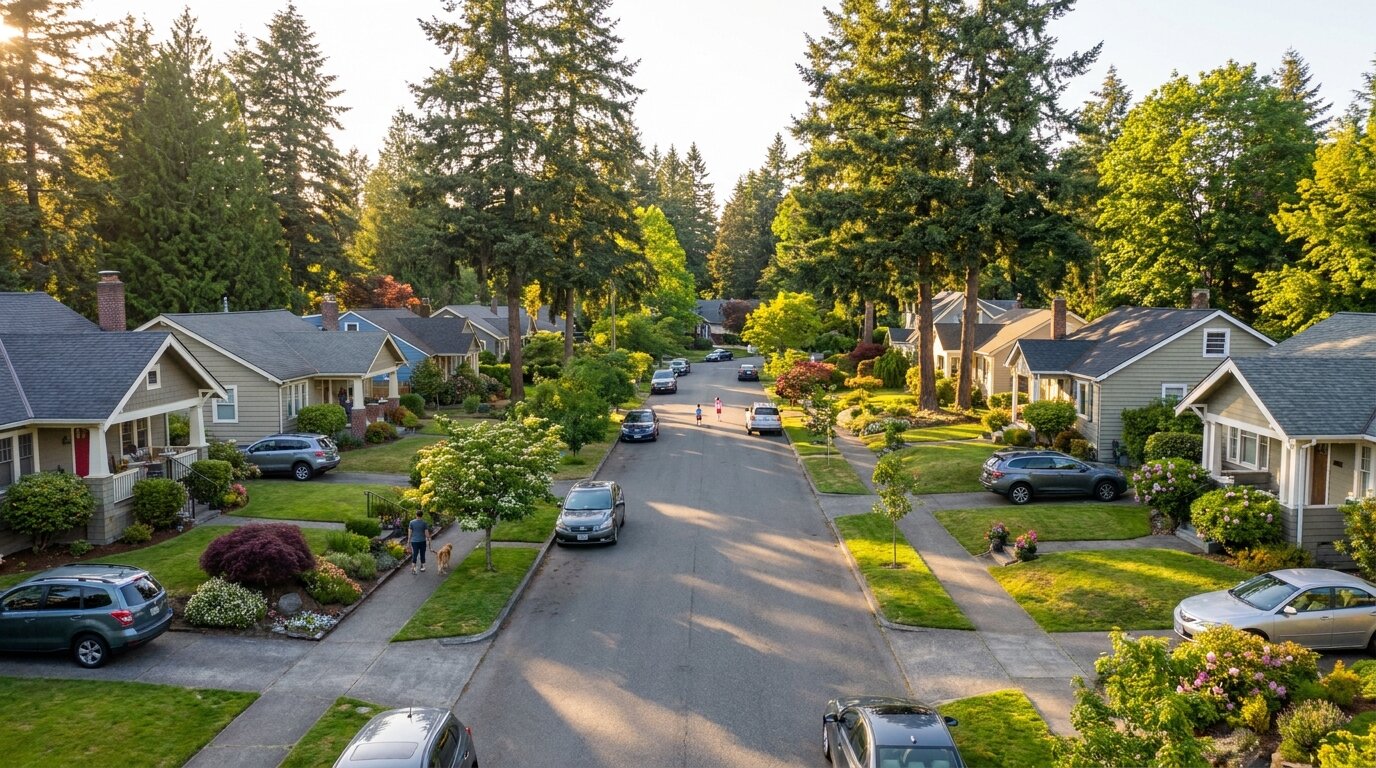
South King County isn’t one market — it’s dozens of micro-markets, each with its own pricing patterns that only show up if you’re on the ground every week.
What This Means for You as a Seller
If you’re interviewing agents to list your home in South or East King County, ask them a direct question: how did you arrive at your price recommendation? A number without a methodology is a guess. A methodology without regular field experience is stale.
You don’t need to understand the full BPO framework to benefit from it. You just need to work with an agent who’s calibrated their pricing instincts against the actual market every week — not just against their own transaction history.
If you receive two or three agent price recommendations that are far apart, that gap is telling you something important. At least one of those agents is working from incomplete information. Your job is to figure out which one — and a good place to start is asking each agent to walk you through their comparable selection and how they adjusted for condition and location.
When you’re preparing your home for listing, check out How to Prepare Your Home for Sale in King County — the condition decisions you make before listing directly affect how accurately any agent can price your home.

The right pricing conversation happens before the listing goes live — not after it sits.
Frequently Asked Questions
What is a Broker Price Opinion (BPO)?
A BPO is a formal property valuation prepared by a licensed real estate broker for a lender or financial institution. It’s used for loan modifications, foreclosures, short sales, estate settlements, and portfolio valuations. Unlike a CMA, it follows standardized methodology, produces a formal report, and carries real external accountability. BPO agents complete high volumes of assessments regularly, which calibrates their pricing accuracy over time.
How is a BPO different from a CMA?
A CMA is an informal estimate prepared by an agent to guide pricing strategy. There’s no standardized format and no external accountability — the methodology varies by agent. A BPO follows institutional standards, uses documented methodology, and is produced under formal reporting requirements. In practice, BPOs are more accurate than CMAs because they’re more rigorous and because agents who do BPO work regularly develop a calibrated pricing instinct that goes beyond occasional transaction experience.
Does having a BPO background mean my home will sell for more?
Not automatically. What it means is that your list price gets set more accurately from the start. An accurate list price attracts more qualified buyers, generates more competing interest, and reduces the risk of sitting on the market. Homes that sit accumulate days-on-market stigma that erodes your negotiating leverage. Accurate pricing is how you protect your final number — not inflated pricing.
How do I know if an agent’s price recommendation is accurate?
Ask them to walk you through their methodology. Which comparable sales did they use, and why? How did they adjust for condition differences between your home and the comps? What recent market shifts are they accounting for? An agent who can answer these questions specifically is working from a real methodology. An agent who gives you a number and pivots quickly to marketing is not.
What’s the risk of overpricing in today’s King County market?
In 2026’s market, homes priced even 5% above where buyers are focused tend to sit 40 to 60 days before needing a price reduction. That lag costs you time and negotiating position. Buyers who’ve watched a listing accumulate days on market view the price reduction as confirmation that the seller is motivated — and they negotiate accordingly. “Leaving room to negotiate” rarely works in a market where buyers have access to the same data you do.
Can I get a free home valuation from you?
Yes. If you’re thinking about listing your South or East King County home, reach out at greg@livingoutsideseattle.com or call 253-350-0045. I’ll prepare a pricing analysis using the same BPO methodology I use for institutional clients — grounded in real comps, real condition adjustments, and real current market conditions.
Most sellers only sell two or three homes in their lifetime. The price you set on day one shapes everything that follows — how quickly you sell, how much you net, and how much leverage you carry into negotiations.
I’ve spent 9+ years pricing properties in East and South King County. I do it for lenders. I do it for estate managers and investors. I do it for the homeowners who hire me to list their homes. The methodology doesn’t change based on who’s asking.
If you’re thinking about selling in King County and want to know what your home is actually worth — not what sounds good — I’d be glad to talk. Visit www.livingoutsideseattle.com to learn more about how I work.
Your guide to life outside Seattle.
253-350-0045 ·
greg@livingoutsideseattle.com ·
www.livingoutsideseattle.com
This Guide Has Moved
This article has been folded into our maintained guide: East & South King County Market Update [July 2026]. You are being taken there now.
Questions to Ask a Real Estate Agent Before Listing

Most sellers interview only one agent. Here’s why that’s a mistake — and exactly what to ask when you do sit down with one.
Choosing a listing agent is one of the most financially significant decisions you’ll make in this process. The difference between an agent who prices your home correctly on day one and one who guesses — or worse, tells you what you want to hear — can easily be $20,000 to $50,000 in South King County’s current market. Sometimes more.
Most sellers pick whoever they already know, or whoever calls first. I get it. But you are about to hand someone the keys to your largest asset. Spending 90 minutes interviewing two or three agents before you sign anything is one of the highest-return things you can do.
Here are the questions that actually matter — and what a strong answer looks like versus a weak one.
Start With Pricing — It’s the Most Important Conversation You’ll Have
The single question that separates good listing agents from the rest is this: “Walk me through how you determined that list price.”
A strong agent should be able to show you exactly which comparable sales they used, why they chose those comps over others, and how they adjusted for differences in lot size, condition, and location. They should be able to tell you what the market is doing right now — not three months ago — in your specific neighborhood.
A weak answer sounds like: “Homes like yours are going for around X.” No specifics. No adjustment explanation. Just a number that landed on the page somehow.
The number itself matters less than the reasoning behind it. I’ve watched sellers get pulled in by agents who pitched an inflated price to win the listing — only to sit on the market for 60 days and end up taking less than they would have gotten with an honest price from the start. In King County, a home that goes stale gets stigmatized. Buyers start wondering what’s wrong with it. The longer it sits, the more negotiating power shifts away from you.
Ask About Their Track Record in Your Market
General experience is fine. Local experience is what moves the needle.
Ask: “How many homes have you listed in my city or price range in the past 12 months?”
Then ask: “What was your average sale-to-list price ratio on those listings?”
In King County, the overall 2026 average is hovering around 101.6% — meaning well-priced homes are still selling slightly above asking. If an agent’s numbers are consistently below 98%, that tells you something. It could mean they’re pricing too high and accepting lower offers to close. It could mean their marketing isn’t generating enough competition. Either way, it’s worth asking why.
Also ask: “What was your average days on market for listings in the past year?” County-wide, homes are sitting about 12 days on average right now. An agent consistently hitting 30+ days on market in a 12-day market has some explaining to do.
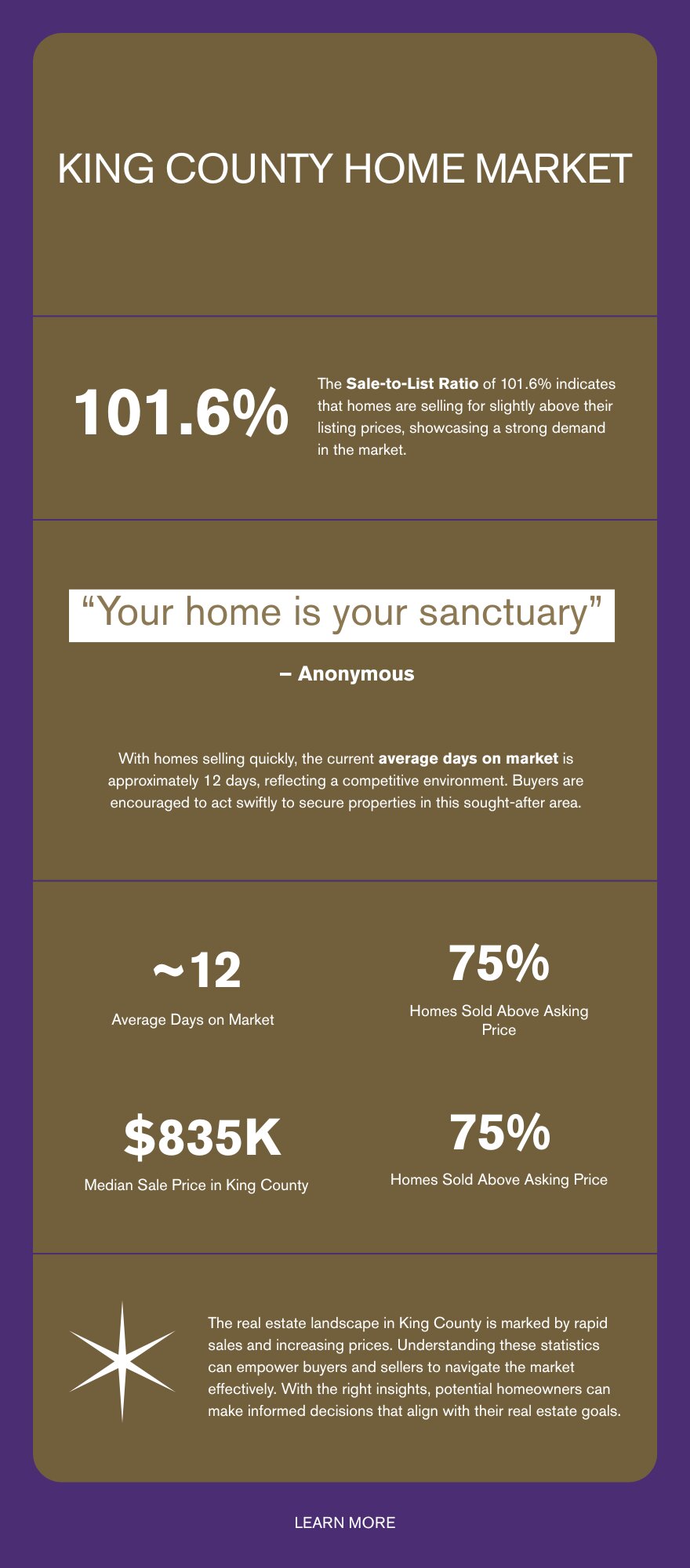
King County’s 2026 market rewards well-priced homes. A listing agent who knows these numbers — and can explain what drives them — is the one worth hiring.
Understand What the Marketing Plan Actually Covers
Ask: “What is your specific marketing plan for my home?”
This is where you’ll hear a wide range of answers. Some agents will say “we list on the MLS and put up a sign.” That’s not a marketing plan — that’s a minimum requirement.
In Washington State, NWMLS rules mean there’s no “coming soon” period — once your home goes live, it goes fully live. That makes your launch day the single most important day of your listing. An agent without a strong pre-launch preparation strategy is leaving money on the ground.
What a Strong 2026 Marketing Plan Includes
Professional photography (not the agent’s phone), a virtual tour or 3D walkthrough, targeted social media promotion, email outreach to buyer agents in your area, and a strategy for the open house weekend. Ask specifically about each of these. Ask who takes the photos. Ask whether they include a professional stager consultation.
If the plan is vague, the execution will be too.
Ask How They Handle Offers and Lowballs
Ask: “How do you manage the offer process, and how do you respond to low offers?”
You want an agent who can hold the line. Not every low offer deserves a counter — sometimes the right move is to decline and wait. But you need an agent who can read the situation and advise you on strategy, not just pass paper between the buyer’s agent and you.
Also ask: “Will you be personally handling my listing, or will it be someone on your team?”
Some high-volume agents hand listings off to junior assistants after the initial meeting. You’re not hiring the team — you’re hiring the person in front of you. Clarify who answers your calls, who shows up to negotiations, and who fields feedback from showing agents.
Ask the Uncomfortable Questions Up Front
Ask: “What’s your commission structure, and what does it cover?”
Since the NAR settlement changes took effect, the buyer’s agent compensation conversation is more upfront than it used to be. You should understand exactly what you’ll pay, what you may be asked to offer toward a buyer’s agent, and whether there are any marketing costs billed separately. Get this in writing before you sign.
Also ask: “What’s your cancellation policy if I’m not happy?”
An agent who is confident in their work will offer a reasonable cancellation clause. An agent who resists this question is telling you something important about how they handle accountability.
The Local Angle: What This Looks Like in South and East King County
Every submarket in King County has different dynamics right now. Renton, Kent, Auburn, and Covington are all behaving differently from each other — and very differently from the Eastside cities like Issaquah and Sammamish.
An agent with genuine local knowledge should be able to tell you: What’s happening with inventory in your specific city right now? Are buyer agents bringing pre-approved clients, or are showings stalling at the financing stage? Is your neighborhood drawing buyers from Seattle, from the Eastside, or primarily from within South King County?
If the agent you’re interviewing is giving you county-wide generalities when you ask about your block — that’s a signal. The agents who consistently outperform in this market know the sub-markets. They know which streets have the highest sale-to-list ratios and why.
Ask: “What’s happening with listings in my neighborhood right now — not countywide, but specifically here?”
A good agent should have an answer that surprises you with its specificity. A general answer tells you how deeply they actually know the market they’re claiming to know.

Every South King County submarket — Renton, Kent, Auburn, Covington — behaves differently. Your listing agent should know your neighborhood, not just the county.
The One Question Most Sellers Forget to Ask
Ask: “What makes your pricing different from what I’d get from another agent?”
This is where you’ll hear a range of vague claims. But it’s also where an agent who does things differently will tell you what that difference actually is.
The standard listing agent approach is a comparative market analysis (CMA) — pulling recent sales, making some adjustments, and landing on a number. That’s the baseline. A CMA is useful. But it’s a snapshot, and it’s only as good as the agent’s judgment about which comps to use. If you want to understand how to read one yourself, this breakdown of how to read a CMA as a King County seller is a good place to start.
What to Do With the Answers
Don’t go into these interviews hoping to like everyone equally. You want contrast. Talk to at least two agents — ideally three. The conversations that feel different from each other are the ones that teach you the most about what you’re actually comparing.
Take notes during each meeting. Pay attention to who asks questions about your situation before launching into their pitch. The agent who listens for the first 15 minutes and then tailors their approach to what you told them is showing you how they’ll handle your listing. The agent who delivers a canned presentation and pivots to commission before you’ve finished your coffee is showing you that too.
Before you list, it’s also worth understanding what goes into pricing your home correctly from day one — that post walks through the data side of what a strong listing agent should be doing. And if you want to get the home itself ready before those conversations even happen, this prep guide for King County sellers covers exactly what moves the needle.
FAQ: Questions to Ask Before You List
How many agents should I interview before listing my home?
Interview at least two — three is better. Most sellers talk to only one, which means they have no basis for comparison. A second or third conversation almost always surfaces something the first one didn’t.
What’s the biggest red flag when interviewing a listing agent?
An agent who quotes you the highest price without being able to explain the specific comps they used is the classic “buying the listing” move. They pitch a number you want to hear, you sign, and then three months later they’re asking you to drop the price. Ask for the CMA in writing before you decide.
Should I ask about commission upfront?
Yes — directly and early. Since the NAR commission changes, the conversation about how buyer’s agent compensation works has shifted. You want to know your total cost, what you might be asked to offer toward the buyer’s side, and what exactly is included in what you’re paying.
What if an agent won’t give me a cancellation clause?
Walk away. Any agent who is confident in their performance should be willing to let you cancel if they’re not delivering. Resistance to this question is resistance to accountability.
How do I know if an agent really knows my neighborhood?
Ask them to tell you what’s happening specifically in your neighborhood — not the county, not the city, your neighborhood. If they can tell you the most recent comparable sale, what it sold for relative to asking, and what drove that result — they know your market. If they answer with generalities, they don’t.
What does a BPO mean for sellers, and why does it matter?
A Broker Price Opinion is the pricing methodology that banks and lenders use to assess property values — more rigorous than a standard CMA. An agent who works as an active BPO field agent does this analysis daily, not just when a new client calls. For sellers, that means a list price grounded in real, current market data rather than a best-guess estimate.
Your guide to life outside Seattle.
253-350-0045 ·
greg@livingoutsideseattle.com ·
www.livingoutsideseattle.com
How to Read a CMA: King County Seller Guide
Two agents. Same house. Two completely different prices. Here’s how to tell which one is right.
Most sellers in King County interview two or three agents before listing. They get a CMA from each one. And more often than not, those CMAs land in different places — sometimes by $20,000, sometimes by $80,000. Then comes the question nobody wants to ask out loud: which agent is actually right?
The answer isn’t always the highest number. And it isn’t always the lowest. It comes down to how each CMA was built, which comps were chosen, and whether the agent is telling you what the market says or what you want to hear.
This guide walks you through how to read a CMA the way a pricing analyst does — what to look for, what to question, and why the methodology behind the number matters as much as the number itself.
What a CMA Actually Is
A Comparative Market Analysis is a written report — sometimes a few pages, sometimes a full presentation — that estimates what your home would sell for on the open market today. An agent prepares it using data from the local MLS: recent sales, current active listings, and homes that went under contract but haven’t closed yet.
The CMA is not an appraisal. It doesn’t carry legal weight and isn’t prepared by a licensed appraiser. But a well-done CMA uses the same core methodology: find comparable sales, adjust for differences, and arrive at a defensible price range. The difference is in who does it and how rigorously.
A CMA is also not a Zestimate. Automated valuation tools are algorithmically generated from public records and don’t account for interior condition, recent renovations, or hyperlocal factors that move prices in King County. They’re a starting point for curiosity, not a basis for pricing your home.
What you’re looking for in a CMA is a specific kind of precision: recent sales that are genuinely similar to your home, adjustments that reflect real market behavior, and a price recommendation with logic you can follow.
The Anatomy of a Good CMA
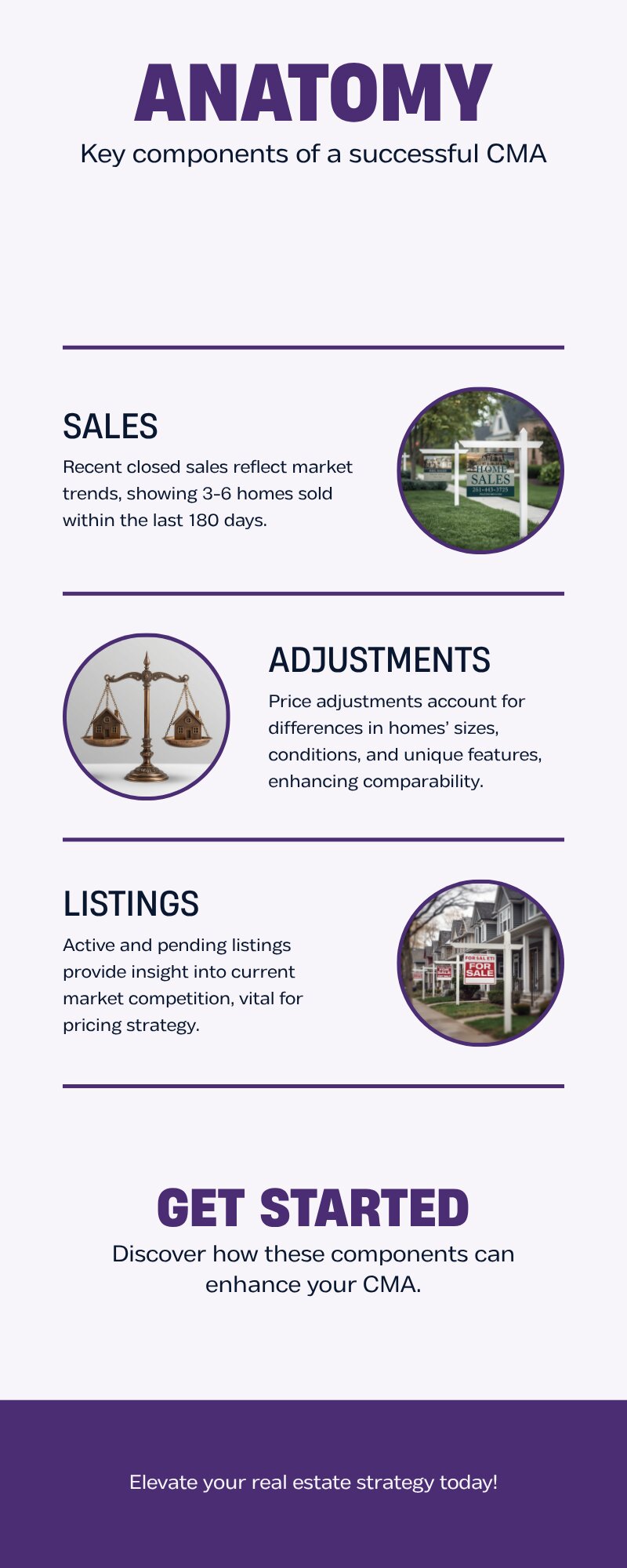
A complete CMA has five parts — recent closed sales, price adjustments, active listings context, a price range, and days-on-market data. Missing any one of these is a yellow flag.
The Comparable Sales Section
This is the heart of the analysis. A solid CMA uses 3–6 closed sales — homes that actually sold and recorded with the county, not just homes that were listed. Active listings show you the competition; they don’t tell you what buyers actually paid.
Strong comps are sold within the past 90–180 days, within roughly half a mile in dense neighborhoods, similar in size (within 20%), similar in age and style, and similar in condition. The more adjustments required to bridge the gap between a comp and your home, the less reliable that comp is as an anchor.
The Adjustment Section
Here’s where CMAs diverge. Every comp is adjusted up or down to match your home. If the comp had a three-car garage and yours has one, the agent reduces that comp’s adjusted value. If your home has a finished basement the comp didn’t, an upward adjustment goes in. These adjustments should reflect what buyers in your market actually pay for those features — not round numbers made up on the spot.
Check: Are the adjustments reasonable in proportion to the sale price? Do the comps include some that are better than your home (requiring downward adjustments), or are all adjustments upward? If every adjustment inflates the comp’s value, the CMA may be padded.
Active, Pending, and the Price Range
A complete CMA includes the current competition — what’s on the market now and what’s pending. If similar homes have been sitting for 45 days at your proposed price, that’s a data point worth knowing before you list.
The final output should be a price range, not a single number. Within that range, your agent recommends a specific list price based on your goals and market conditions — and that recommendation should come with a clear explanation. “We can always come down” is not an explanation.
Why Two Agents Give You Different Numbers
Two agents can produce legitimately different CMAs because pricing involves judgment calls — which comps to use, how much to adjust for condition, whether the market is moving up or flat. Reasonable professionals can disagree within a range.
But the real reason sellers often see large gaps between CMAs has nothing to do with analytical disagreement. It’s called buying the listing — when an agent inflates their CMA to win your business. They know you’ll be more excited about the higher number. They sign you up at that price, the home sits, and three weeks later they start asking for a price reduction.
By then, you’ve already lost the prime marketing window — the first two weeks when a new listing gets the most attention from buyers. Homes that require price reductions consistently sell for less than they would have if priced correctly from day one. Buyers notice price cuts. They wonder what’s wrong with the house.
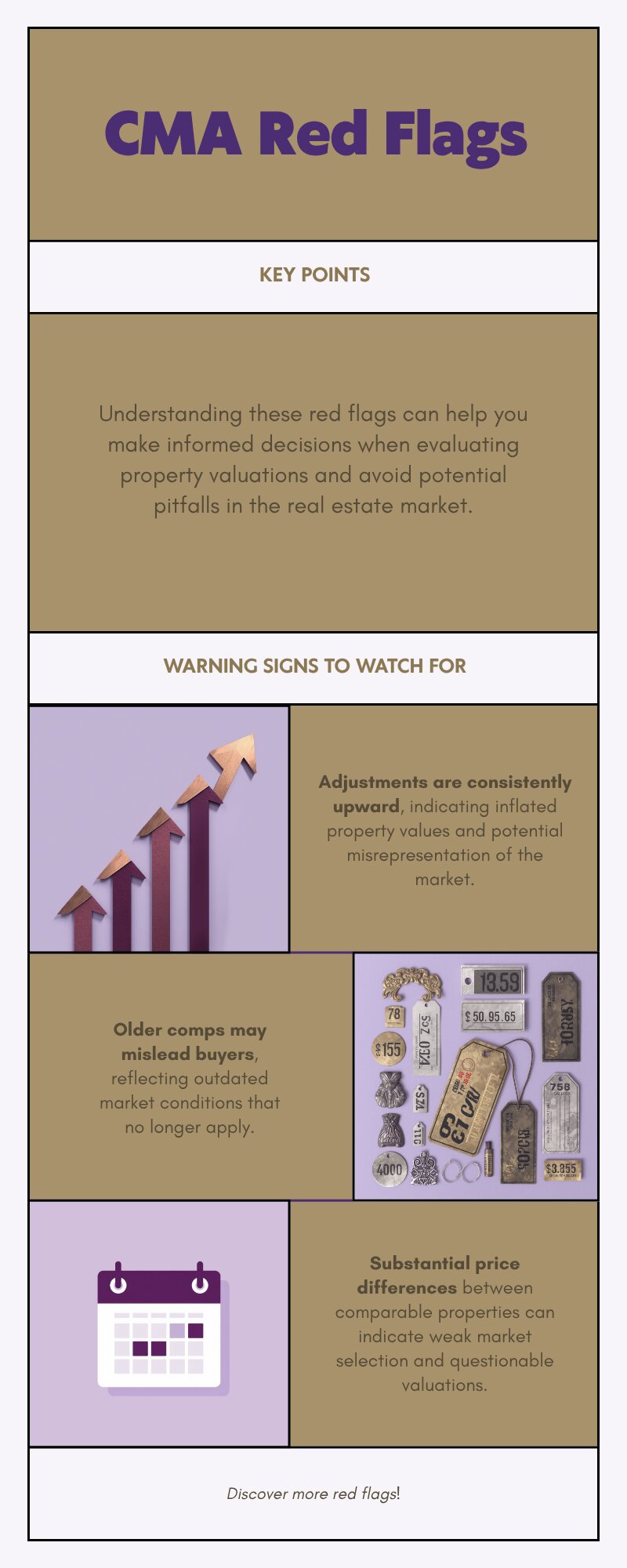
If you see these patterns in a CMA, ask questions before you sign a listing agreement.
The BPO Difference: Why Daily Pricing Work Matters
Most agents prepare CMAs occasionally — when they’re pitching a listing. That means they’re doing this analysis once every few weeks, or less.
My background is different. As an active BPO field agent, I assess property values professionally every single day for banks, lenders, and investment portfolios. That means I’m running the same comp analysis — pulling recent sales, making adjustments, arriving at a reconciled value — on multiple properties every morning. Not when a listing appears on my desk. Every day.
What that produces is calibration. I know what buyers in Renton paid for a renovated kitchen last month because I priced three homes in Renton last month. I know how much a lot size premium is worth in Kent right now because I’ve been tracking it continuously, not revisiting it once a quarter.
When I prepare a CMA for a seller, I’m using the same methodology a lender’s appraiser will use when a buyer’s loan comes through. That alignment matters: a home priced with institutional-grade rigor is much more likely to appraise cleanly at contract price — which means fewer renegotiations and a smoother path to closing. For more on how appraisals interact with your list price, see our guide to how to price your home to sell in King County.
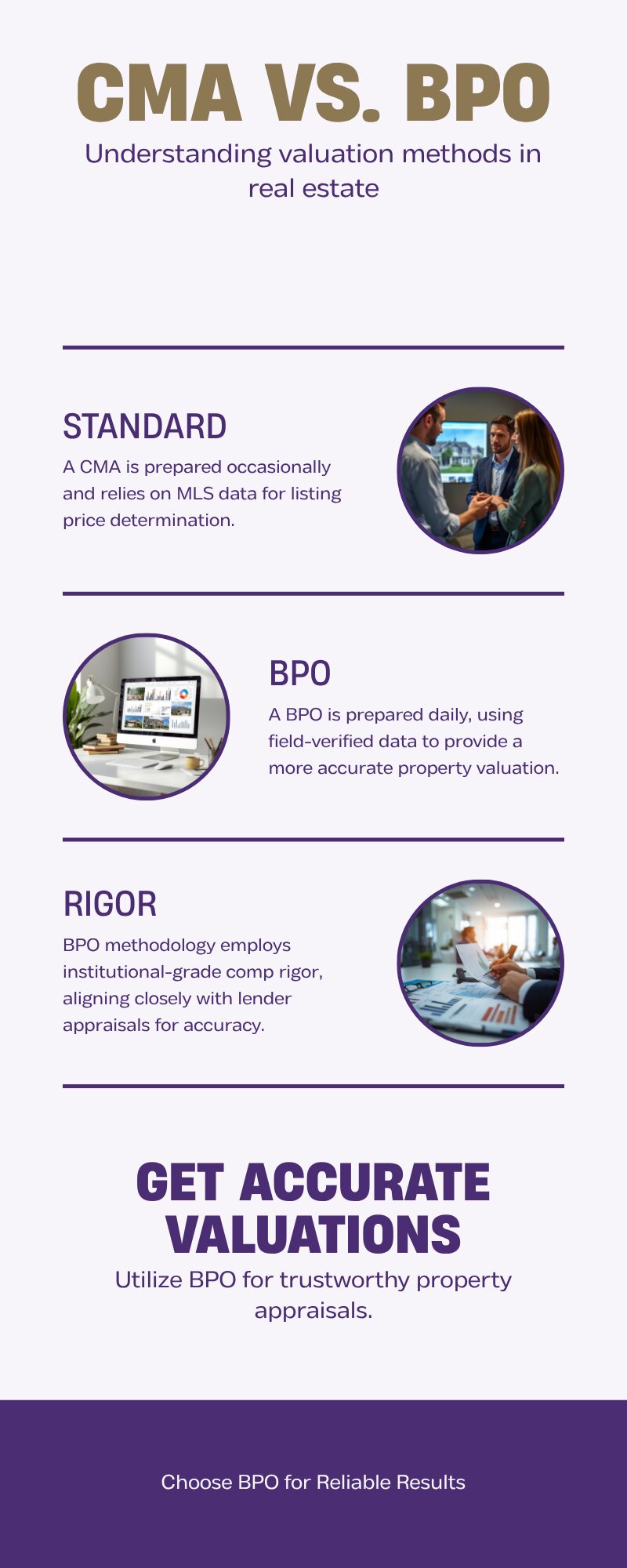
The difference isn’t just credentials — it’s frequency. Daily pricing work produces calibration that occasional CMA preparation can’t match.
What a CMA Can’t Tell You
A CMA is backward-looking. It tells you what buyers paid for comparable homes in the past 90–180 days. It doesn’t tell you what the market will do next month, and it doesn’t account for factors that haven’t shown up in closed sales yet — like a shift in mortgage rates, a wave of new inventory, or a major employer making news in your area.
This is why the agent’s current market knowledge matters as much as the data itself. A CMA prepared by someone who isn’t actively watching the King County market day-to-day will miss signals that a daily practitioner picks up on. Always ask the agent: “Has anything happened in the past 30 days that your comps don’t reflect?” Their answer will tell you whether they’re watching the market or just pulling data.
The King County Specifics Worth Knowing
Sub-market pricing is everything. King County covers an enormous range of price points and market conditions. Renton, Kent, Auburn, Covington, and Maple Valley each behave differently from each other and from the Eastside. A good CMA uses comps from the same sub-market — not comps from a neighborhood three cities over that happens to have similar square footage.
Median prices shifted in early 2026. The April 2026 King County median home sale price came in around $835,000 — down roughly 7.5% year-over-year at the county level, though South King County remained more competitive than average. Comps from 12+ months ago may overstate what your home will actually trade for today. An agent who’s pulling year-old data to support a high price isn’t serving your interests.
Days on market is now a meaningful signal. King County homes are averaging around 12 days on market — up from 7 days a year ago. That shift means the “price it high and wait for the right buyer” strategy is riskier than it was in 2022. Buyers have more options, and a home that sits past 30 days starts raising questions that a price cut can’t fully answer.
School district boundaries move prices. In cities like Newcastle that straddle multiple school district zones, a half-mile difference in location can produce a meaningful price difference. Your agent needs to know which side of those lines your home is on — and make sure the comps are on the same side. For more on what goes into getting your home ready to sell, see our guide on how to prepare your home for sale in King County.
Questions to Ask at Your Listing Appointment
When you sit down with an agent to review their CMA, bring these questions:
On the Comps
Why did you choose these specific sales and not others? How recent are they — and are there more recent sales you considered and rejected? How similar is this comp in size, condition, and location to my home?
On the Adjustments
How did you arrive at the adjustment amounts? Are any of your comps adjusted up by more than 20%? Are there any comps where you made downward adjustments, or are all adjustments upward?
On the Pricing Recommendation
What’s your recommended price range, and where do you suggest we list within it? What happens to our negotiating position if we list at the top of your range and don’t get an offer in two weeks? How does your recommended price compare to what a buyer’s lender will appraise it at?
On the Agent
How many pricing analyses have you done in the past 30 days in this specific sub-market? Have you seen any recent shifts in buyer behavior that your closed comps don’t yet capture?
The agent who answers these questions clearly — without hesitation, without pivoting to their marketing plan — is the agent who did the work.
Frequently Asked Questions
How much does a CMA cost?
A CMA from a real estate agent is free. Agents prepare them as part of their listing pitch. If you want an independent opinion not tied to a listing relationship, a licensed appraiser will charge $600–$900 for a formal appraisal.
Is a CMA the same as an appraisal?
No. A CMA is prepared by a real estate agent and used to set a listing price. An appraisal is prepared by a state-licensed appraiser, required by lenders, and used to determine the maximum loan amount. A home can be listed above its likely appraisal value — which creates problems at closing when the buyer’s lender won’t fund the gap.
How many comps should a good CMA include?
Typically 3–6 closed sales, plus 2–4 active or pending listings for competitive context. Fewer than 3 sold comps is a thin basis for a pricing recommendation. More than 8 often means the agent is padding with weak matches to justify a predetermined number.
What if two CMAs are far apart?
Ask each agent to walk you through their comps side by side. The differences usually come down to which comps were selected and how adjustments were applied. If one agent can’t explain their methodology clearly, that tells you something about how they prepared the analysis.
Should I always list at the top of the CMA range?
Only if your goals and market conditions support it. In a market where homes are selling in 7–12 days, pricing at the midpoint of the range often generates more competing offers than pricing at the top — and can produce a higher net sale price. Your agent should walk you through the trade-offs before you decide.
Getting a CMA is easy. Getting a CMA you can actually trust — one built with the same rigor a lender’s appraiser will apply to the same property in 60 days — takes a different kind of preparation. And knowing how to read one puts you in a position to tell the difference.
Your guide to life outside Seattle.
253-350-0045 ·
greg@livingoutsideseattle.com ·
www.livingoutsideseattle.com
This Guide Has Moved
This article has been folded into our maintained guide: East & South King County Market Update [July 2026]. You are being taken there now.
This Guide Has Moved

This article has been folded into our maintained guide: East & South King County Market Update [July 2026]. You are being taken there now.
