

 Facebook
 X
X
 Pinterest
 Copy Link
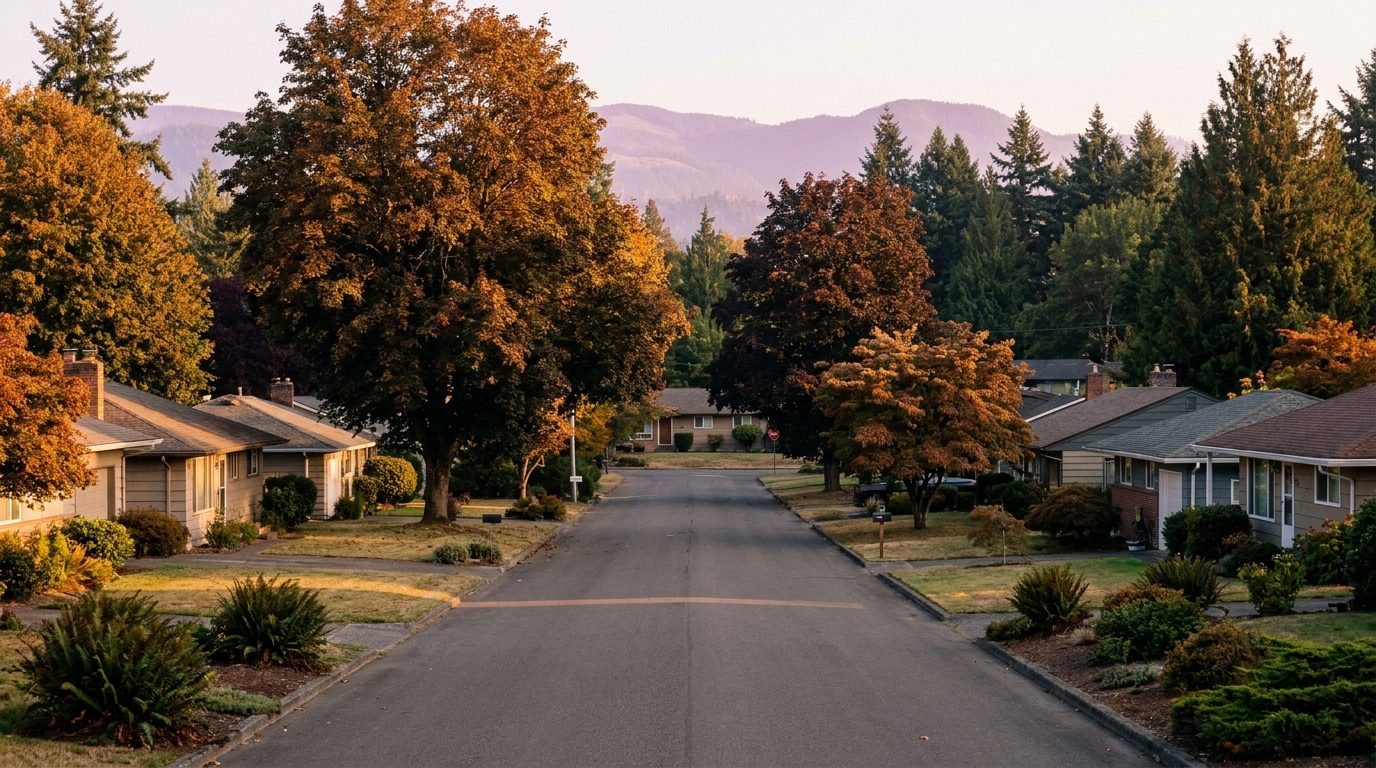
If you want an older, established stretch of Auburn without the price tag of the newer master-planned communities, Auburn Valley is worth a look. Living in Auburn Valley means a straight shot down Auburn Way South, an 88-acre wilderness park a few minutes away, and some of the most consistently affordable single-family homes left in the city. This is a Family-First Established neighborhood, built out mostly from the 1960s through the 1990s along the valley floor south of downtown. In 2026, buyers who want a real yard and a shorter commute to the warehouse and logistics corridor keep landing here.
Three Local Anchors
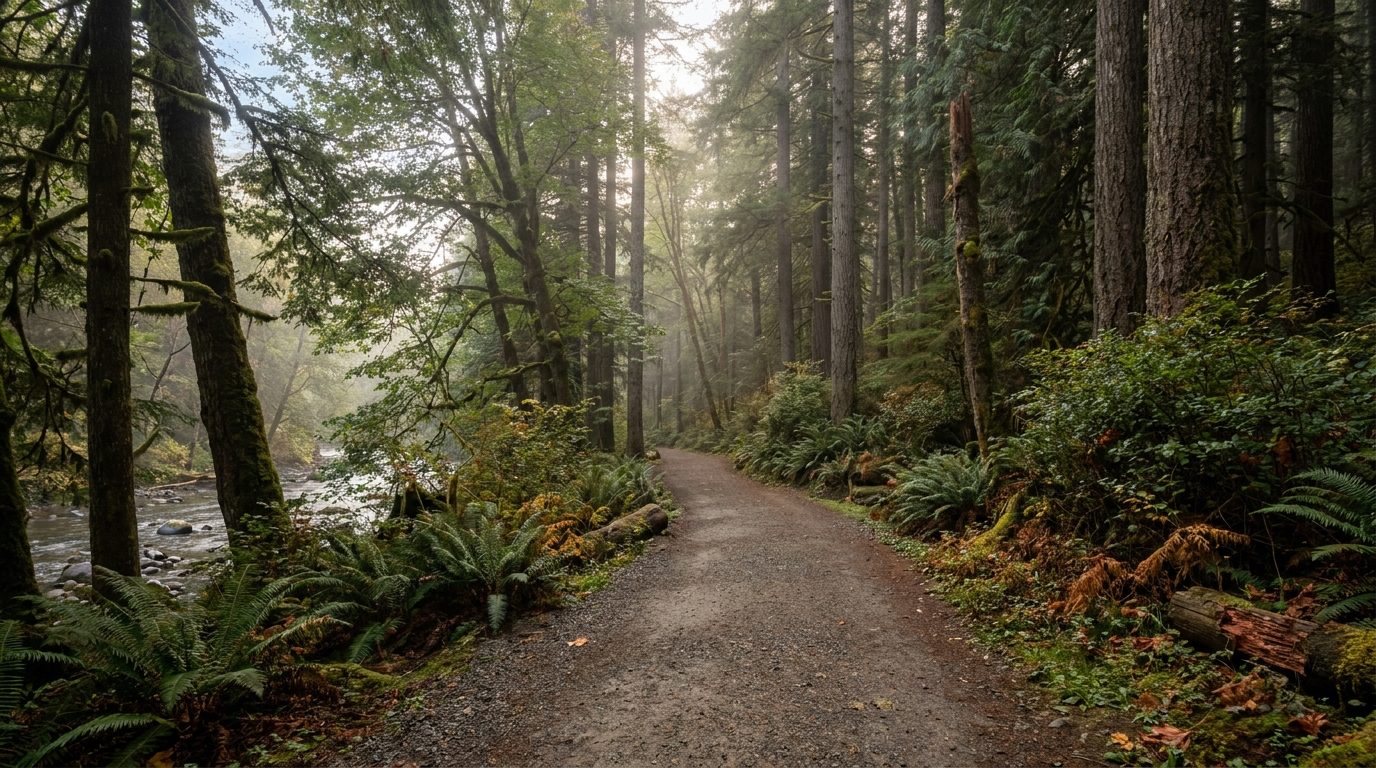
The Safeway at 101 Auburn Way S covers full grocery runs for most Auburn Valley addresses without leaving the corridor. Game Farm Wilderness Park, an 88-acre park at 2401 Stuck River Drive with hiking trails, camping sites, and river access along the Stuck River, sits a short drive south. And King County Metro service along Auburn Way South, with a stop at Auburn Way S and M St SE, connects the neighborhood to Auburn Station and the Sounder S Line into Seattle and Tacoma.
What is it actually like to live in Auburn Valley in 2026?
On a Tuesday morning, Auburn Valley moves at the pace of a working-class valley town. Auburn Way South carries a steady mix of commuters, delivery trucks, and buses heading toward the warehouse and logistics employers that line the valley floor, while side streets off the main corridor stay quiet and residential. The homes here sit back from the arterial on straight, unassuming blocks, mostly ranch and split-level styles that have not changed much in decades. Weekends bring a different rhythm. Families head to Game Farm Wilderness Park for the trails and river access, and the Auburn Farmers Market downtown draws a Saturday crowd from across the city, Auburn Valley included, from June through September. It is a practical, unpretentious kind of neighborhood life, closer to how Auburn felt a generation ago than the newer subdivisions on the city’s edges. The people who choose Auburn Valley tend to prioritize space and price over polish. Compared to Lakeland Hills or The Bridges, homes here are older and lots are less uniform, but buyers get a bigger yard for the dollar and a shorter drive to the industrial and logistics jobs that anchor a large share of Auburn’s employment base. It draws long-time Auburn families, first-time buyers stretching for a detached home, and buyers who work the valley floor corridor themselves.
Homes in Auburn Valley: What the Data Shows
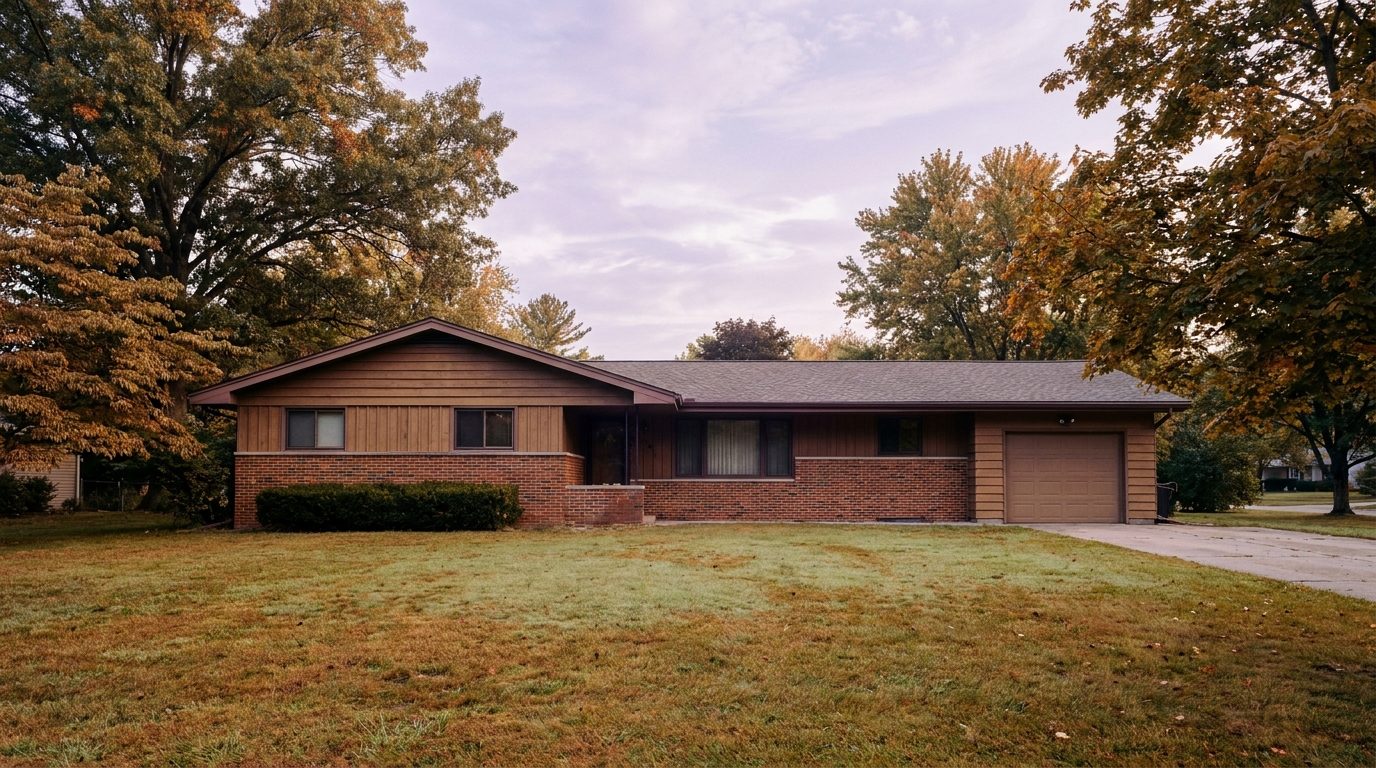
Most homes in Auburn Valley date from the 1960s through the 1990s, part of Auburn’s earlier wave of postwar and mid-century growth along the valley floor rather than a single planned build-out. Square footage typically runs 1,200 to 2,400 square feet, with single-story ranches and simple two-story homes making up most of the stock. Lots tend to run larger than the newer subdivisions, often a quarter acre or more in the pockets furthest from Auburn Way South, and detached single-family homes dominate. It is an older, unpolished corridor that has not seen much new construction in years, which is exactly why prices here stay lower than the rest of the city.
Market data as of June 2026, from NWMLS-sourced monthly exports (Auburn citywide residential figures; Auburn Valley-specific data is not separately tracked by NWMLS, so figures reflect city-level data).
| Metric | Auburn Valley (Auburn citywide) | King County |
|---|---|---|
| Median Sales Price (June 2026) | ~$650,000 | ~$998,000 |
| Median Days on Market (June 2026) | ~8 days | ~10 days |
| Active Listings Change (vs. Jan 2026) | +135% | +127% |
Figures reflect Auburn citywide residential data from NWMLS InfoSparks, exported July 5, 2026. Auburn Valley does not have its own MLS reporting area, so these numbers are city-level, not neighborhood-specific. Homes in Auburn Valley tend to sit toward the lower to middle end of Auburn’s price range given the older housing stock, so buyers here often see figures below the citywide median.
Schools Serving Auburn Valley
Auburn Valley falls in the Auburn School District, and most addresses along this stretch of Auburn Way South feed a different pipeline than the neighborhoods further north and east. This corridor feeds a different pipeline than some general Auburn guides list for the east side of the city, so confirm your specific address before assuming which schools apply. Most Auburn Valley students attend Chinook Elementary at 3502 Auburn Way S, which sits directly in the corridor. From there, the pipeline continues to Cascade Middle School at 1015 24th Street NE, an AVID National Demonstration School with a Gifted & Talented program, and finishes at Auburn Senior High School, which offers Advanced Placement coursework, 19 sports, and an 80 percent graduation rate. Because Auburn Valley sits along a busy arterial corridor rather than inside a single platted subdivision, address-level boundary lines matter more here than in a master-planned community. Always verify your exact address with the district before writing an offer, especially near the edges of the corridor closer to downtown or the SR-18 interchange.
Verify the Schools Yourself
Chinook Elementary → Cascade Middle School → Auburn Senior High →
School ratings and assignments change. Always verify your specific address with the Auburn School District before writing an offer.
Getting to Work from Auburn Valley
Take Auburn Way South north to reach downtown Auburn and Auburn Station in a few minutes, or continue south to connect with SR-18 toward Covington and I-5 toward Tacoma. King County Metro service runs along the Auburn Way South corridor, connecting Auburn Valley to Auburn Station, where riders can catch the Sounder S Line into Seattle and Tacoma.
| Destination | Distance | 2026 Drive Time (Peak AM) | Transit Option |
|---|---|---|---|
| Downtown Seattle | 31 miles | 50 to 70 min | King County Metro to Auburn Station, Sounder S Line |
| Bellevue / Amazon | 27 miles | 45 to 65 min | SR-167 to I-405 north |
| Microsoft (Redmond) | 31 miles | 50 to 75 min | SR-167 to I-405 to SR-520 |
| SeaTac Airport | 16 miles | 25 to 35 min | SR-167 north to Highway 518 |
What I See as a Valuation Expert in Auburn Valley
When I price homes for institutional clients, lot size and system updates tend to drive value more than finish quality in Auburn Valley. Older mid-century homes vary widely in how well they have been maintained, so a roof replaced in the last decade, an updated electrical panel, or a newer water heater can separate two otherwise similar listings by tens of thousands of dollars. Proximity to Auburn Way South itself is a real factor. Homes set back on quieter side streets away from the arterial typically command a premium over comparable homes fronting the corridor directly, where traffic noise and curb cuts matter to buyers. Larger lots, especially those a quarter acre or more with room for parking multiple vehicles or a shop, tend to move first and draw the most competitive offers. Homes closer to Game Farm Wilderness Park also see stronger interest than similar homes further from any green space.
10-Year Lens
Auburn Valley’s older housing stock and lower price point give it a durable long-term case as one of the last true entry-level detached-home corridors in South King County, especially as newer construction elsewhere in Auburn continues to price higher. The honest counter-risk: homes here will need ongoing system updates as they age past 50 and 60 years old, and the corridor’s proximity to Auburn Way South’s truck and commuter traffic will always cap appreciation compared to quieter subdivisions further from the arterial. Continued inventory growth across King County in 2026 also means buyers have more leverage and more time to negotiate than in recent years.
Frequently Asked Questions
Q: Is Auburn Valley a good place to live? A: Auburn Valley works well if you want an older, established home with a larger yard at a lower price than Auburn’s newer subdivisions, and you don’t mind living along a busy arterial corridor. It suits buyers who want more space for the dollar and a short drive to the valley floor’s logistics and warehouse employers. Q: What are homes like in Auburn Valley? A: Most homes date from the 1960s through the 1990s, running 1,200 to 2,400 square feet, mostly single-story ranch and simple two-story styles on lots that often run a quarter acre or more away from the main corridor. Q: What schools serve Auburn Valley? A: Most Auburn Valley addresses feed Chinook Elementary, Cascade Middle School, and Auburn Senior High School, all part of the Auburn School District. Always verify your specific address before writing an offer. Q: How far is Auburn Valley from Seattle? A: Auburn Valley sits about 31 miles from downtown Seattle, roughly 50 to 70 minutes by car during peak commute hours, or by King County Metro to Auburn Station and the Sounder S Line.
Explore Auburn Valley Yourself
View Auburn Valley on Google Maps →
Your guide to life outside Seattle.
Gregory Dorrell | Coldwell Banker Danforth | WA License #111862
253-350-0045 · greg@livingoutsideseattle.com · www.livingoutsideseattle.com
