

 Facebook
 X
X
 Pinterest
 Copy Link
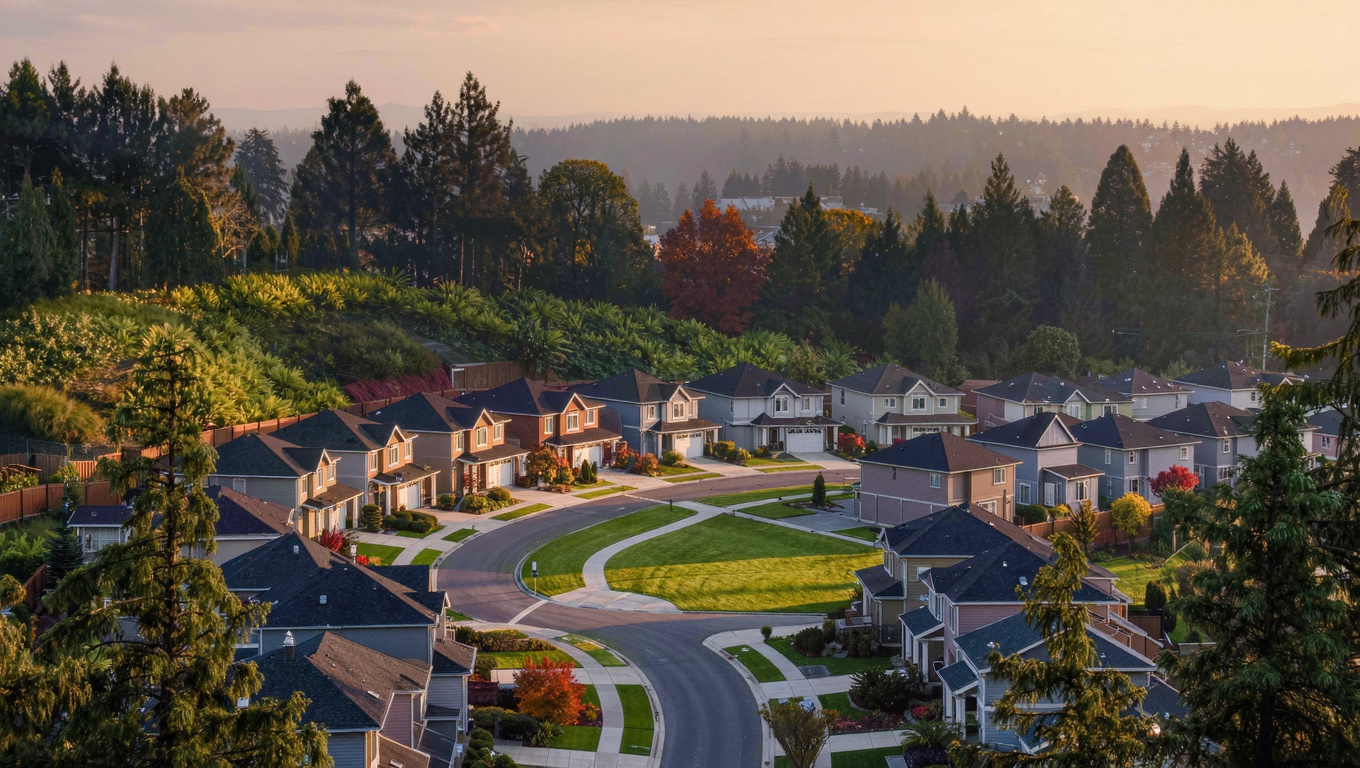
Living in Lakeland Hills, Auburn: What You Need to Know in 2026
If you want a planned community feel without leaving Auburn, Lakeland Hills is worth a look. Living in Lakeland Hills means wide, consistent streets, HOA-maintained landscaping, and a central neighborhood park that anchors the whole community. This is a Quiet Cul-de-Sac Community, built out mostly between 1995 and 2015, sitting on Auburn’s south end right where the city meets the King-Pierce County line. In 2026, buyers who want newer construction, a settled family feel, and a break from Auburn’s older core neighborhoods keep landing here.
Three Local Anchors
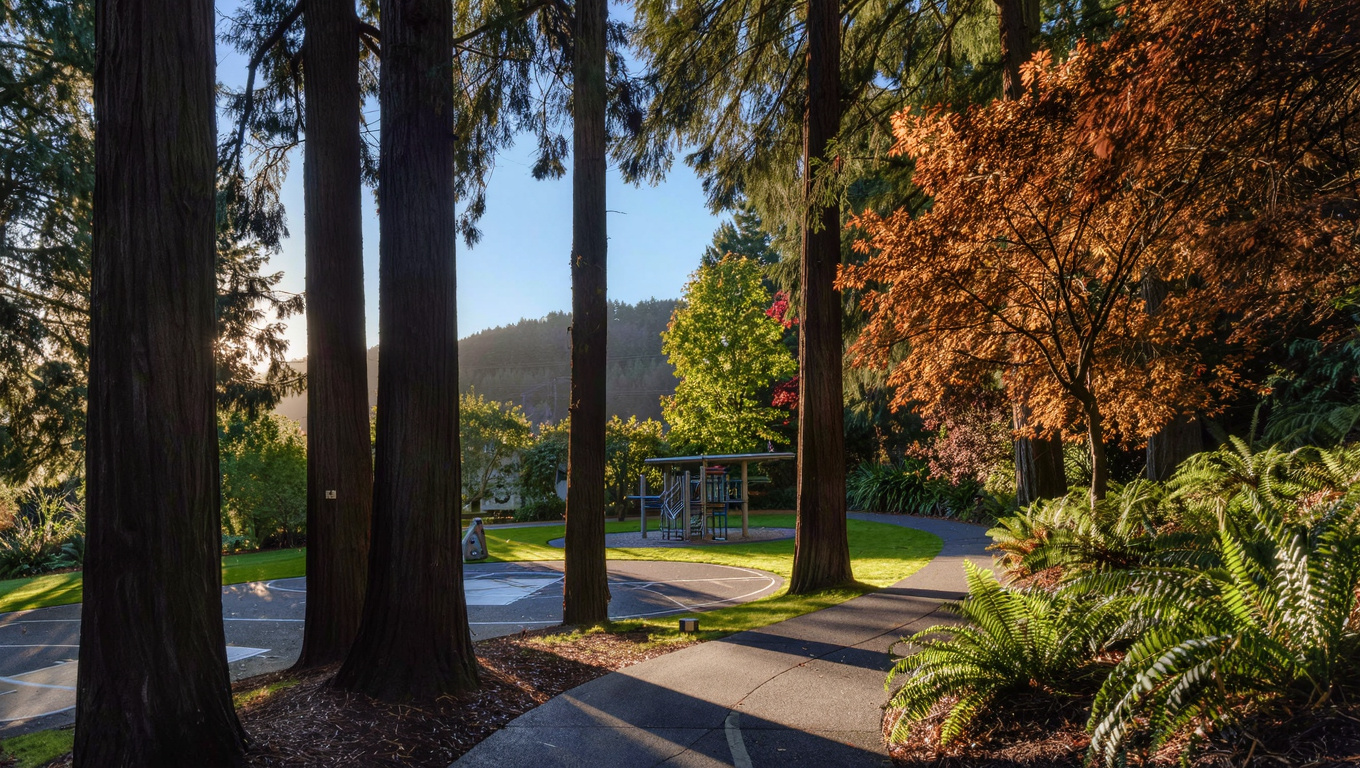
Haggen Food & Pharmacy at 1406 Lake Tapps Pkwy E covers full grocery runs a short drive from most Lakeland Hills streets. Lakeland Hills Park, a five-acre park built into a wooded hillside with a basketball court, a small climbing wall, a paved walking loop, and a playground, sits inside the community itself. And Pierce Transit’s Route 497 Lakeland Hills Express connects the neighborhood directly to Auburn Transit Center, where riders can pick up Sounder rail service into Seattle and Tacoma.
What is it actually like to live in Lakeland Hills in 2026?
On a Tuesday morning, Lakeland Hills moves at a suburban pace. Commuters back out of driveways along the neighborhood’s curving collector streets, most heading for SR-167 or Lake Tapps Parkway to start the drive north or east. School buses work their way through the cul-de-sacs a little later, and the consistent landscaping along the main entries gives the whole community a tidy, just-mowed look even before most residents are out the door. Weekends slow down. Families walk to Lakeland Hills Park for the playground and the loop trail, kids shoot around on the basketball court, and Sunset Park nearby adds baseball and softball fields for weekend leagues. It is a family-forward rhythm, closer to a small planned suburb than to Auburn’s older Main Street blocks a few miles north. The people who choose Lakeland Hills tend to want a newer home, a manicured street, and a sense that the neighborhood was designed rather than grown block by block. Compared to Lea Hill or West Auburn, homes here sit on a more uniform grid with HOA-backed consistency, and buyers often cross-shop Lakeland Hills against nearby Bonney Lake and Sumner rather than against downtown Auburn.
Homes in Lakeland Hills: What the Data Shows
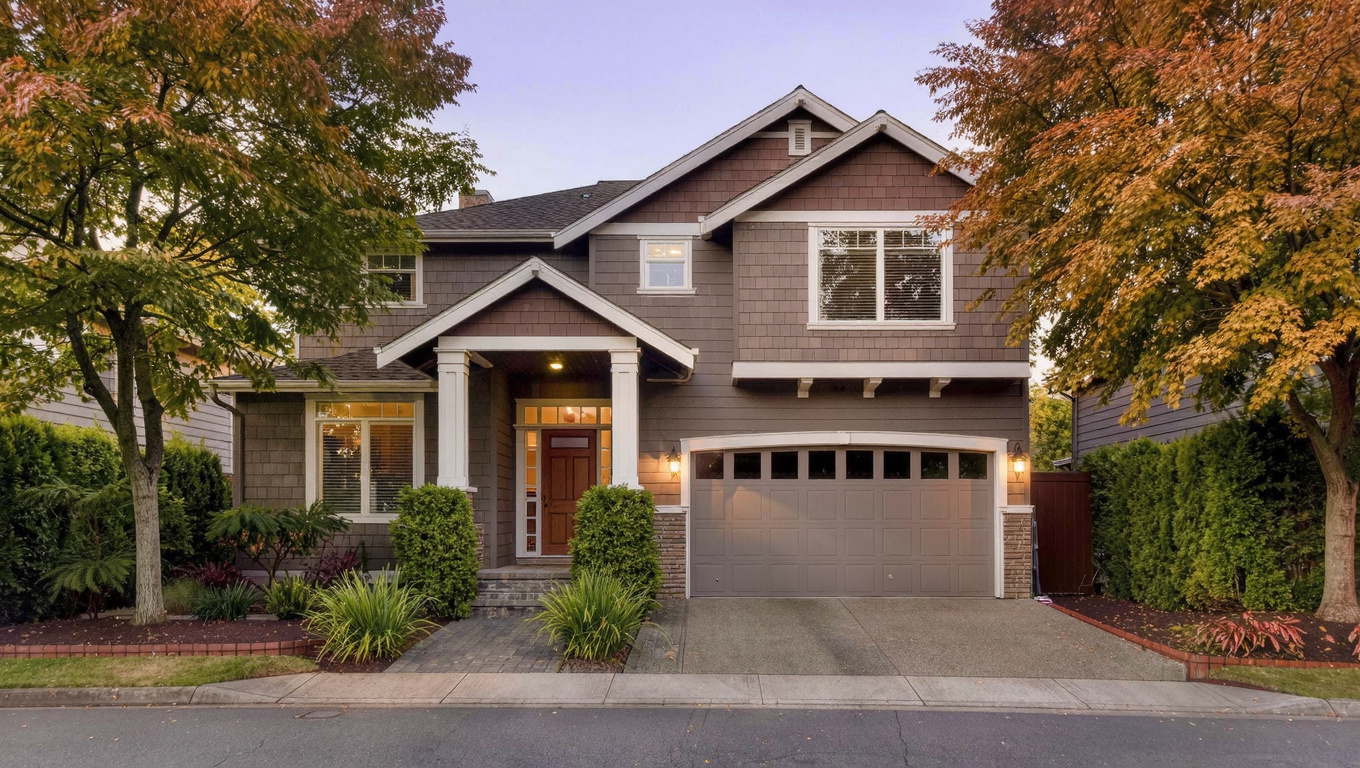
Most homes in Lakeland Hills date from the mid-1990s through 2015, part of a master-planned build-out rather than scattered infill. Square footage typically runs 1,600 to 3,500 square feet, with two-story traditional and Northwest contemporary styles dominating the community. Lots tend to be modest but consistent, usually 5,000 to 8,000 square feet, and detached single-family homes make up nearly all of the housing stock. HOA-maintained entries and common areas give the community a uniform look that stands apart from Auburn’s older, more mixed neighborhoods.
Market data as of June 2026, from NWMLS-sourced monthly exports (Auburn citywide residential figures; Lakeland Hills-specific data is not separately tracked by NWMLS, so figures reflect city-level data).
| Metric | Lakeland Hills (Auburn citywide) | King County |
|---|---|---|
| Median Sales Price (June 2026) | ~$650,000 | ~$998,000 |
| Median Days on Market (June 2026) | ~8 days | ~10 days |
| Active Listings Change (vs. Jan 2026) | +135% | +127% |
Figures reflect Auburn citywide residential data from NWMLS InfoSparks, exported July 5, 2026. Lakeland Hills does not have its own MLS reporting area, so these numbers are city-level, not neighborhood-specific. Homes here tend to sit toward the upper end of Auburn’s price range given the newer construction and master-planned setting.
Schools Serving Lakeland Hills
Lakeland Hills is one of the few Auburn neighborhoods split across two school districts. Most of the community falls in the Auburn School District, but the neighborhood sits right on the King-Pierce County line, and pockets on the south and east sides fall in the Dieringer School District instead. Address matters more here than almost anywhere else in Auburn, so confirm your specific street with the district before you get attached to a listing. On the Auburn School District side, most students attend Lakeland Hills Elementary at 1020 Evergreen Way SE, and the neighborhood’s geography points to Mt. Baker Middle School as the likely next stop, though families should confirm this directly with the district since Auburn School District maintains seven middle schools and boundary lines shift. From there, students finish at Auburn Mountainview High School, which opened in 2005, offers Advanced Placement coursework, 21 sports, and a Gifted & Talented program, and posts a 90 percent graduation rate. On the Dieringer School District side, students attend Dieringer Heights Elementary, then North Tapps Middle School for grades six through eight. Dieringer is a non-high-school district, which means families choose where their student attends high school rather than being assigned one automatically. Most Dieringer-zone families in this area send their kids to Auburn Riverside High School or Sumner High School. Always verify your exact address and your high school options with the district before writing an offer.
Verify the Schools Yourself
Lakeland Hills Elementary → Mt. Baker Middle School → Auburn Mountainview High → Dieringer Heights Elementary → North Tapps Middle School →
School ratings and assignments change, and Lakeland Hills sits across two districts. Always verify your specific address with the Auburn School District or the Dieringer School District before writing an offer.
Getting to Work from Lakeland Hills
Take Lake Tapps Parkway or Lakeland Hills Way to SR-164 or SR-167, then connect north toward I-405 or south toward I-5, depending on your destination. Pierce Transit Route 497 runs from the neighborhood to Auburn Transit Center, where riders can catch the Sounder S Line into Seattle and Tacoma without driving the freeway themselves.
| Destination | Distance | 2026 Drive Time (Peak AM) | Transit Option |
|---|---|---|---|
| Downtown Seattle | 31 miles | 55 to 75 min | Pierce Transit 497 to Auburn Station, Sounder S Line |
| Bellevue / Amazon | 30 miles | 50 to 70 min | SR-167 to I-405 north |
| Microsoft (Redmond) | 34 miles | 55 to 80 min | SR-167 to I-405 to SR-520 |
| SeaTac Airport | 17 miles | 28 to 40 min | SR-167 north to Highway 518 |
What I See as a Valuation Expert in Lakeland Hills
When I assess homes here for institutional clients, lot usability and how well a house has kept pace with its systems tend to drive value more than raw square footage in Lakeland Hills. The community’s consistent HOA-maintained frontage means curb appeal rarely separates one listing from the next. What separates them instead is what is behind the walls: roof age, water heater age, and whether a kitchen or bath has been touched since the original build, especially on the earliest phase of homes from the mid-1990s. HOA dues and coverage vary by section of the community, so confirm what a specific listing’s dues actually cover before you get too far into the process. Some sections include front-yard landscaping maintenance in the dues, which changes the real monthly cost of ownership compared to a similar home without that coverage. Homes closer to Lakeland Hills Park, on the larger cul-de-sac lots, or with a partial view toward the valley typically command a premium and tend to move first when they come to market. Newer-phase homes built after 2005 with updated systems also draw stronger interest than the earliest phase of the community.
10-Year Lens
Lakeland Hills’ master-planned consistency, newer housing stock, and position near both Auburn and the growing Bonney Lake and Sumner areas give it a durable long-term case as a family-oriented entry point into South King and North Pierce County ownership. The honest counter-risk: the school district split adds real complexity for resale, since buyers have to verify which district and which high school options apply to a specific address, and the neighborhood remains fully car-dependent with no direct Sounder access from inside the community. Continued inventory growth across King County in 2026 also means less urgency and more negotiating room for buyers than in recent years.
Frequently Asked Questions
Q: Is Lakeland Hills a good place to live? A: Lakeland Hills works well if you want a newer, master-planned community with consistent landscaping and a central neighborhood park, and you don’t mind a car-dependent setting without direct Sounder access. It suits families who want a settled, tidy street over Auburn’s older, more mixed neighborhoods. Q: What are homes like in Lakeland Hills? A: Most homes date from 1995 to 2015, running 1,600 to 3,500 square feet on 5,000 to 8,000 square foot lots, mostly two-story traditional and Northwest contemporary styles with HOA-maintained common areas. Q: What schools serve Lakeland Hills? A: Lakeland Hills splits across the Auburn School District (Lakeland Hills Elementary and Auburn Mountainview High School) and the Dieringer School District (Dieringer Heights Elementary and North Tapps Middle School, with a family choice of high school). Always verify your specific address before writing an offer. Q: How far is Lakeland Hills from Seattle? A: Lakeland Hills sits about 31 miles from downtown Seattle, roughly 55 to 75 minutes by car during peak commute hours, or by Pierce Transit Route 497 to Auburn Station and the Sounder S Line.
Explore Lakeland Hills Yourself
View Lakeland Hills on Google Maps →
Your guide to life outside Seattle.
Gregory Dorrell | Coldwell Banker Danforth | WA License #111862
253-350-0045 · greg@livingoutsideseattle.com · www.livingoutsideseattle.com
