

 Facebook
 X
X
 Pinterest
 Copy Link
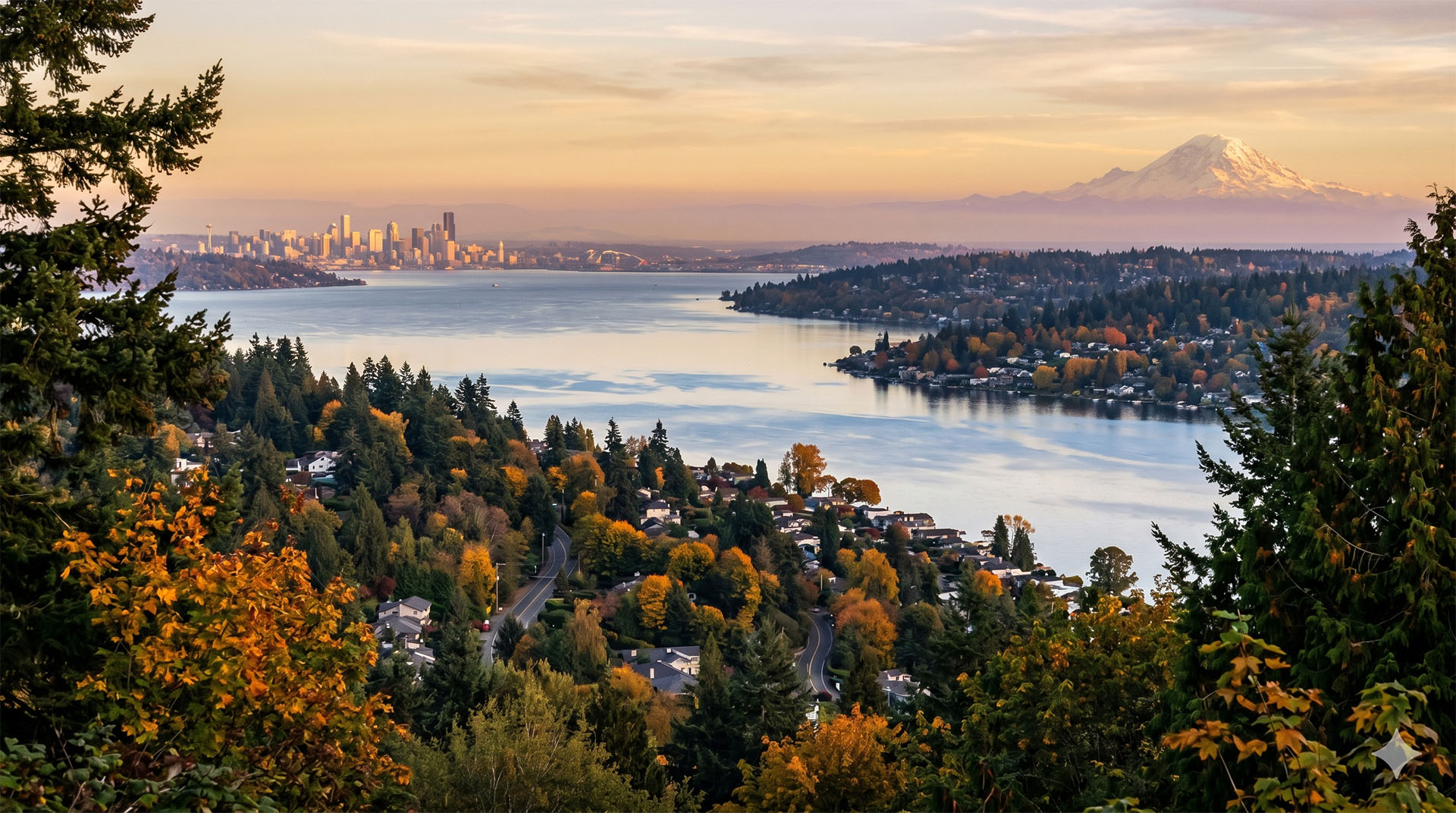
Is Auburn, WA a Good Place to Live?
Living in Auburn, WA gives you something that is genuinely hard to find in King County right now: a real house, a real yard, and a real commute to Seattle — all at a price that does not require two tech salaries to pull off. Auburn’s residential median has run between about $595,000 and $718,000 so far in 2026, landing at $595,000 in September, well below the King County residential median of $950,000. That gap is real, and it is the reason Auburn is one of the most searched cities in south King County for buyers who want more space without moving to Pierce County. Auburn is not a city that tries to be trendy. It is practical, diverse, and genuinely livable. The Green River Trail runs right through the city. The Sounder commuter rail connects you to downtown Seattle without fighting I-5. Boeing, the Port of Seattle, and a massive south King County logistics and warehouse sector all sit within 20 miles. For first-time buyers, growing families, and relocators from high-cost states, Auburn consistently shows up as one of the strongest value plays in the Seattle metro.
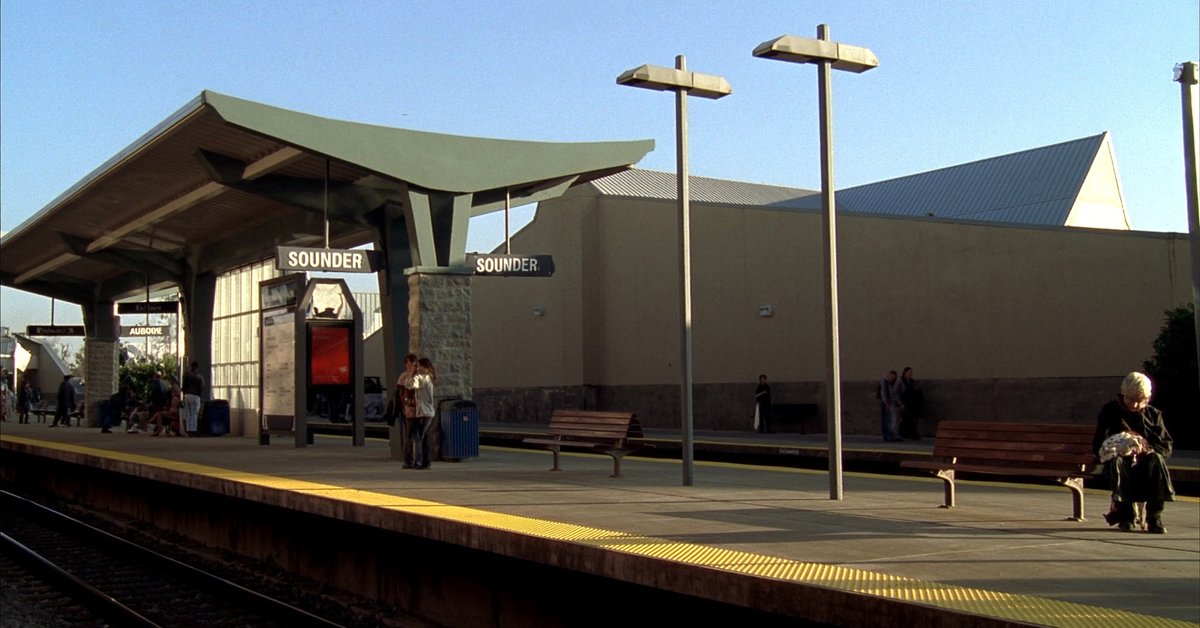
Auburn WA Commute Times to Seattle and Beyond
Moving to Auburn, Washington means living on one of the best-connected transit corridors in south King County. The Auburn Sounder Station is the city’s most underrated asset — it connects you to downtown Seattle without touching I-5, which is a genuine quality-of-life upgrade during rush hour. Sound Transit also runs express bus routes from multiple Auburn park-and-ride locations. Drivers have SR-167 heading north to Renton and Bellevue, and I-5 heading toward Federal Way and Tacoma.
| Destination | Distance | 2026 Peak Commute | Transit Option |
|---|---|---|---|
| Downtown Seattle | 30 miles | 45 to 65 min | Sounder Train / I-5 |
| Amazon (South Lake Union) | 30 miles | 50 to 70 min | Sounder + Light Rail Transfer |
| Microsoft (Redmond) | 35 miles | 50 to 70 min | SR-167 to SR-520 / Drive |
| Bellevue Tech Corridor | 22 miles | 35 to 50 min | SR-167 North / I-405 |
| SeaTac Airport | 15 miles | 20 to 30 min | SR-167 / Drive |
Times reflect honest peak-hour conditions, not best-case scenarios. I drive these routes regularly for BPO inspection work, and the SR-167 corridor can back up significantly between Auburn and Renton during morning rush.
Best Neighborhoods in Auburn, WA
Auburn covers a wide geographic area with distinct neighborhoods — each with its own character, price range, and school assignment. Here is a breakdown of the main areas buyers need to understand before starting their search.
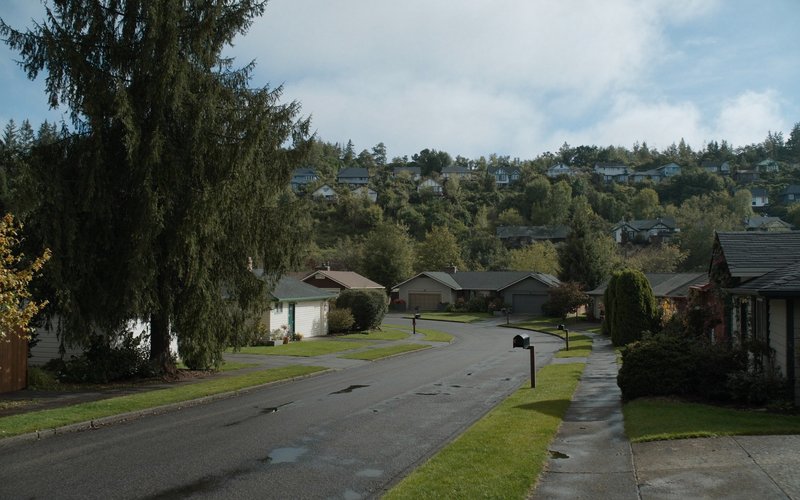
Lea Hill
Lea Hill sits on a plateau east of Auburn’s core, overlooking the Green River valley. The vibe is suburban and quiet, with a mix of families and long-term residents who appreciate the views and the breathing room. Homes here are mostly 1990s to 2010s construction, running from 1,800 to 3,200 sq ft on lots between 5,000 and 10,000 sq ft. Median prices run $650,000 to $750,000. Most students attend Lea Hill Elementary and Auburn Mountainview High School. Sunrise Park is the main neighborhood park, and nearby Green River College adds a practical anchor.
West Auburn / Downtown Corridor
This is the historic heart of Auburn, built around the original downtown and the Sounder rail station. The character is urban for Auburn — walkable blocks, older commercial buildings, and a mix of housing types. Single-family homes typically run 1,000 to 1,800 sq ft on compact lots, with prices often starting in the $460,000 to $530,000 range — some of the lowest in the city. Students attend Dick Scobee Elementary and Auburn High School. The Auburn Farmers Market, Game Farm Park, and the White River Amphitheatre are all close by.
Lakeland Hills
Lakeland Hills is a master-planned community on the south end of Auburn straddling the King-Pierce County line. The character is clean, organized, and family-forward, with wide streets, consistent landscaping, and a central park with splash pad and sports fields. Homes are mostly 1995 to 2015 construction, ranging from 1,600 to 3,500 sq ft. Parts of Lakeland Hills fall in the Auburn School District and parts fall in the Dieringer School District — school assignment depends on your exact address, so always confirm before you make an offer. Auburn SD students typically attend Lakeland Hills Elementary and Auburn Mountainview High School. Dieringer SD students attend Dieringer Heights Elementary and North Tapps Middle School.
Auburn Valley / East Main
The Auburn Valley and East Main Street area runs along Auburn’s eastern edge, where the terrain rises toward the Covington foothills. The character is semi-rural with some suburban pockets — larger lots, older homes, and more breathing room. Homes range from 1970s to early 2000s construction, typically 1,500 to 2,800 sq ft, with lots from a quarter acre to over an acre in some pockets. Most addresses along the Auburn Way South corridor feed Chinook Elementary, Cascade Middle School, and Auburn Senior High School, though the feeder shifts toward Auburn Mountainview High closer to the eastern foothills. Always verify your exact address with the district. The Green River Trail’s eastern sections pass through here, making it popular with cyclists and walkers.
Terrace View / North Auburn
North Auburn runs between the downtown core and the Kent city line along Auburn Way North. Terrace View is one of the established neighborhoods in this corridor, with homes mostly built from the 1960s through the 1980s. Sizes run 1,200 to 2,200 sq ft on lots from 6,000 to 10,000 sq ft. Prices here are among the lowest in Auburn — a real opportunity for buyers willing to update an older home. Students typically attend Ilalko Elementary and Mt. Baker Middle School, feeding into Auburn High School. Game Farm Wilderness Park is the main neighborhood green space.
Cobble Creek / Verdana
Cobble Creek and Verdana are two of Auburn’s newer planned communities near the SR-18 interchange in the southeast corner of the city. These neighborhoods were built mostly between 2005 and 2018, with homes running 2,000 to 3,500 sq ft on lots from 4,000 to 7,000 sq ft — Northwest contemporary style with open floor plans and attached garages. Verdana students typically attend Arthur Jacobsen Elementary and Cascade Middle School, feeding into Auburn Mountainview High. Easy SR-18 access toward Covington and the Outlet Collection Seattle is a practical plus.
The Bridges
The Bridges is Auburn’s most upscale planned community, tucked into the hills on Auburn’s northeast corner near the Kent boundary. The vibe is gated and polished — tree-lined streets, larger lots, and homes running 2,400 to 4,500 sq ft on lots from 7,000 to 14,000 sq ft. Some homes have territorial views. Students typically attend elementary schools in the Lea Hill zone, then Rainier Middle School, and Auburn Mountainview High School. If you want more home for your dollar compared to similar properties in Renton or Kent, The Bridges is consistently at the top of that list.
South Auburn / Muckleshoot Area
South Auburn runs along Auburn Way South toward the Muckleshoot Casino and the Pierce County line. The character is more commercial and transitional, but affordable residential pockets exist with solid single-family homes. Most homes are 1960s to 1990s construction, ranging from 1,000 to 2,000 sq ft on lots from 5,000 to 8,500 sq ft. Students attend Chinook Elementary and Cascade Middle School, feeding into Auburn High School. Buyers focused strictly on value and South King County employment proximity find Auburn’s lowest prices per square foot here.
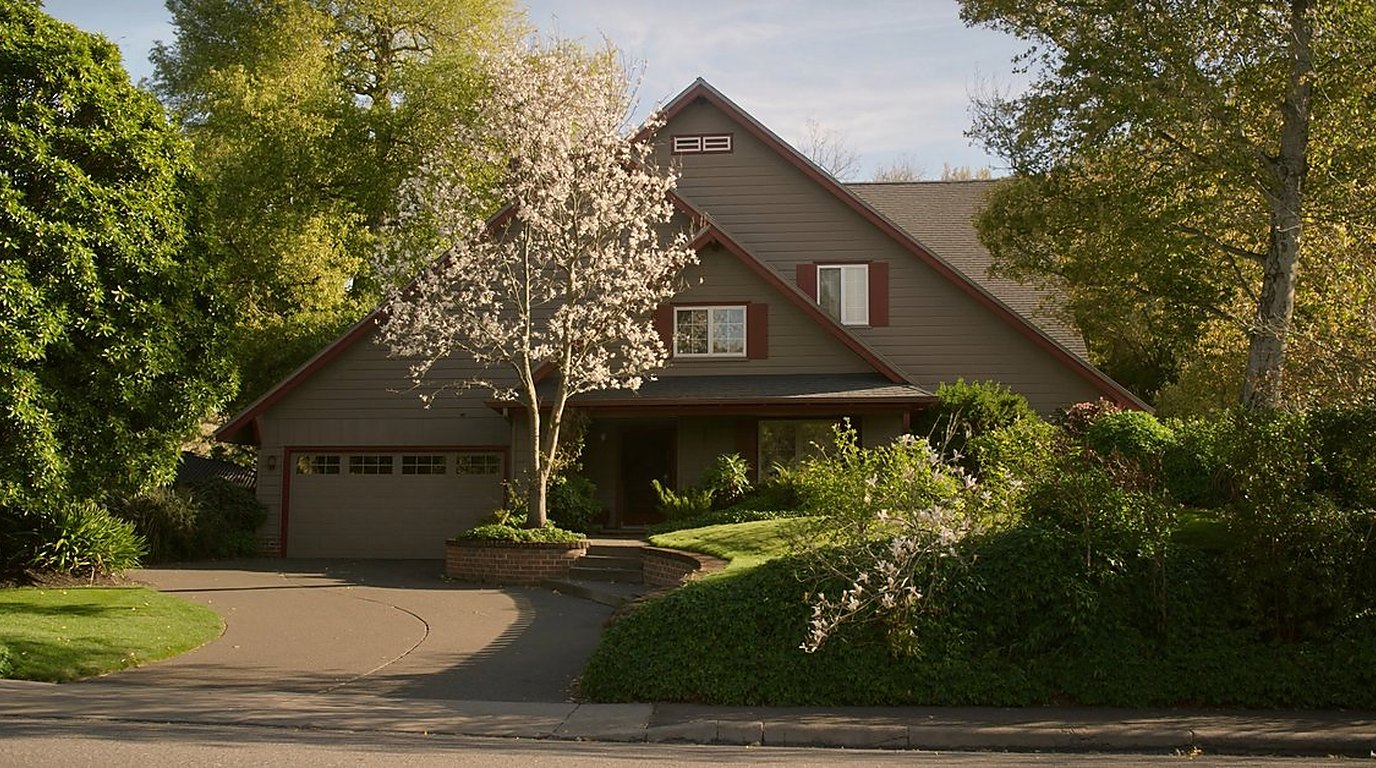
Auburn WA Real Estate Market in 2026
King County’s residential median sits at $950,000 as of September 2026, and Auburn’s September median of $595,000 makes it one of the most affordable cities in the county for single-family homes. Active residential listings across King County have more than doubled since January, which has brought some welcome balance to the market. The typical well-priced Auburn home went pending in about 14 days in September, quick by any standard, but with roughly 3.9 months of supply sitting on the market, buyers finally have real selection and room to negotiate on the homes that linger. Price ranges vary significantly by neighborhood. Southeast Auburn (zip 98092), which includes Lea Hill and Lakeland Hills, runs $650,000 to $820,000 for move-in-ready homes. Downtown Auburn (zip 98002) starts closer to $460,000 to $530,000. West Auburn and North Auburn (zip 98001) are the most affordable pockets, with single-family homes often starting in the upper $400,000s. No matter which part of Auburn you are shopping in, you are still buying well below the King County average. The inventory increase across King County has been a real shift for Auburn buyers in 2026. A year ago, a 2,000 sq ft three-bedroom in Lea Hill would go under contract in a weekend with multiple offers. Today, those same homes split fast: the sharp ones still move inside a couple of weeks while anything overpriced sits, and that split is genuinely valuable. Buyers can get a real inspection done, ask for repairs, and negotiate without panic. For sellers, the message is clear: accurate pricing from day one matters more than it has in years. Homes that launch above where the data says they should be are the ones that sit for two and three months. Homes that were priced correctly in early 2026 are still selling — they just require patience and honest expectations. Year over year, Auburn prices have softened, with the September median about 11% lower than a year earlier. That comes from only 69 closed sales, so treat it as a snapshot, not a trend on its own. Lakeland Hills and The Bridges have held up the best. Older homes in North Auburn and parts of South Auburn have softened more, which creates real opportunity for buyers willing to do some work.
Frequently Asked Questions: Living in Auburn, WA
Is Auburn, WA a good place to live?
Auburn is a strong fit for buyers who want affordability, practical highway and transit access, and a real Pacific Northwest lifestyle without paying Eastside prices. It is not the trendiest city in King County, but it offers something more valuable right now: a home you can actually afford, a yard you can use, and a commute you can manage. For first-time buyers, growing families, and relocators from high-cost markets, Auburn consistently ranks as one of the best value cities in the Seattle metro.
What is the average home price in Auburn, WA in 2026?
Auburn’s residential median was $595,000 in September 2026, with monthly medians ranging from about $595,000 to $718,000 this year. That varies significantly by area: Southeast Auburn (Lea Hill, Lakeland Hills) runs $650,000 to $820,000, while Downtown Auburn starts closer to $460,000. Well-priced homes are moving in days, but with more than three months of supply on the market, buyers have real selection and negotiating room.
What are the best neighborhoods in Auburn, WA?
The best neighborhood depends on your priorities. For newer construction and strong schools, Lea Hill and Lakeland Hills lead the pack. For the best Sounder commute access and lowest prices, Downtown Auburn and North Auburn are worth a close look. For more space and a semi-rural feel, Auburn Valley and East Main offer larger lots. For the most upscale finished product in Auburn, The Bridges delivers at a price still well below comparable Renton or Kent options.
How far is Auburn, WA from Seattle?
Auburn is about 30 miles south of downtown Seattle. By Sounder commuter train, the trip takes roughly 50 minutes without any freeway driving. By car on I-5, expect 45 to 65 minutes during AM peak hours. SR-167 to I-5 is the main driving route. For frequent Seattle commuters, the Sounder is one of Auburn’s most practical advantages.
What school district is Auburn, WA in?
Most of Auburn is served by the Auburn School District. Parts of south Auburn (Lakeland Hills) overlap with the Dieringer School District in Pierce County. Always confirm the school district for any specific address before writing an offer — it matters for both school assignment and resale value.
Explore Auburn, WA Yourself
The best way to know if living in Auburn, WA is the right fit is to come out and drive it. Hit the Green River Trail by bike, walk downtown and check out the farmer’s market, then drive out to Lea Hill for the view. The range of this city is bigger than most people expect until they see it in person. View Auburn on Google Maps
Your guide to life outside Seattle.
Gregory Dorrell | Coldwell Banker Danforth | WA License #111862
253-350-0045 · greg@livingoutsideseattle.com · www.livingoutsideseattle.com
