Seller Resources June 11, 2026

HELOC vs. Cash-Out Refinance: King County Guide 2026

HELOC vs. Cash-Out Refinance: How King County Homeowners Should Tap Their Equity in 2026

Most King County homeowners are sitting on  well over six figures of equity. Here’s how to use it without giving up the mortgage rate you fought for.

If you bought your home in King County more than a few years ago, you’re probably wealthier than you think. The typical American homeowner with a mortgage is holding around $212,000 in equity they could actually borrow against. In King County, where the median home sits near $835,000, plenty of homeowners I work with in Renton, Kent, and Covington are well past that number.

The question I hear all the time: how do I get to that money without wrecking the 3% mortgage I locked in years ago? There are two main answers. A home equity line of credit, or a cash-out refinance. They sound similar. They are not. Pick the wrong one and it can cost you hundreds of dollars a month for decades.

I price homes every day as a BPO field agent, so I see what equity positions actually look like across South and East King County. Let me walk you through how each option works, what each one costs, and the simple math that tells you which one fits your situation.

How a HELOC Works (and What It Costs)

A HELOC is a line of credit secured by your house. Think of it like a credit card with a much lower rate and your home as collateral. The bank approves you for a limit, often up to 80% or 85% of your home’s value minus what you owe. You draw what you need, when you need it, and you only pay interest on what you’ve actually used.

The national average HELOC rate in June 2026 is sitting around 7.25% to 7.4%, not far off the 2026 low of 7.19% from March. HELOC rates are variable. They move with the prime rate, which is currently 6.75%. If the Fed cuts, your rate drops. If the Fed hikes, it climbs. That flexibility cuts both ways, and you need to be honest with yourself about whether your budget can handle a rate that moves.

Costs are the quiet advantage here. Most HELOCs come with low or no closing costs. Compare that to what you’ll see below for a refinance, and the gap is real money.

How a Cash-Out Refinance Works (and What It Costs)

A cash-out refinance replaces your entire existing mortgage with a new, bigger one. You owe $400,000 and want $100,000 in cash? Your new loan is $500,000, and the whole thing carries today’s rate. In 2026 that means roughly 6.8% for most borrowers, with the best-qualified getting closer to 6.25%.

That word “entire” is the trap. You’re not borrowing $100,000 at today’s rate. You’re re-borrowing all $500,000 at today’s rate, including the $400,000 you already had locked at something much lower.

Then come the closing costs. A cash-out refinance typically runs 2% to 5% of the full new loan amount. On a $500,000 loan, that’s $10,000 to $25,000. On a HELOC, you’d often pay close to nothing to open it.

HELOC vs cash-out refinance comparison chart for King County homeowners showing rates costs and best use cases

The core difference: a HELOC adds a second loan, a cash-out refinance replaces your entire mortgage at today’s rate.

HELOC vs. Cash-Out Refinance: The Math That Decides It

Here’s a real-world King County example. Say you own a home worth $850,000, you owe $400,000 at 3%, and you want $100,000 for a remodel.

Keep your mortgage and add a HELOC

Your existing payment stays around $1,686 a month in principal and interest. Interest on the full $100,000 HELOC draw at 7.4% runs about $617 a month during the draw period. Total: roughly $2,300 a month.

Cash-out refinance instead

A new $500,000 loan at 6.6% costs about $3,193 a month. That’s nearly $900 more every month than the HELOC route, plus five figures in closing costs, for the exact same $100,000 in your pocket. Over ten years that monthly gap is more than $100,000. The HELOC isn’t just a little better in this scenario. It’s not close.

So when does the refinance win? Two cases. First, if your current rate is already high. Buyers who purchased in late 2023 or 2024 at 7% or above can sometimes refinance today, pull cash out, and barely change their payment. Second, if you need one large fixed sum and you want one predictable fixed payment for 30 years. Some people sleep better with that, and that’s a legitimate reason.

The Tax Rules Most Homeowners Get Wrong

A lot of people still believe HELOC interest is automatically deductible. It isn’t. Under current IRS rules, interest on a HELOC or cash-out refinance is only deductible if the money goes toward buying, building, or substantially improving the home that secures the loan. A kitchen remodel in your Kent home can qualify. Paying off credit cards or buying a car does not.

Two more catches. You have to itemize your deductions to claim it, and most households take the standard deduction instead. And the burden of proof is on you, so keep every contractor invoice and receipt. If you’re borrowing a meaningful amount, a one-hour conversation with a CPA before you sign is worth far more than it costs. I’m a real estate agent, not a tax advisor, and this is exactly the kind of decision where the right professional pays for itself.

The Local Angle: King County Equity in 2026

King County’s median home price has come down about 7.5% from last year. I know that sounds like bad news for equity. Here’s the context that matters: if you bought in Renton or Auburn before 2021, your home is still worth dramatically more than you paid. A pullback from the peak hasn’t erased years of gains. Most long-term owners in South King County are still holding $200,000 to $400,000 or more in usable equity.

What I see in the field is homeowners using that equity three ways. Remodels are the big one, especially kitchens and primary suites in 1980s and 1990s homes in Covington and Maple Valley, where an updated home sells noticeably faster. Second is debt consolidation, which can make sense at 7.4% against credit cards charging 22%, as long as the spending that built the debt stops. Third, and growing fast, is move-up buyers using a HELOC as bridge money to buy their next home before selling their current one. If that’s your situation, I broke down how that strategy works in my contingent offer guide for King County, and I compared the keep-or-sell decision in renting out your King County home vs. selling.

One more local note. Where prices go from here affects how much cushion you have. My King County housing market forecast for 2026 covers the inventory and price trends that matter if you’re deciding whether to tap equity now or wait.

Couple reviewing renovation plans in an updated kitchen, a common use of home equity in King County WA

Kitchen and primary suite remodels are the most common use of equity I see across South King County.

What This Means for You

If you’re a King County homeowner with a mortgage rate under 5.5%, start with the HELOC conversation. Keeping your existing rate is worth real money every month, and the rate math above shows how much. Get quotes from at least three lenders, including a local credit union, because HELOC rates and fees vary more than first mortgage rates do.

If your rate is 6.5% or higher, run both options side by side. A cash-out refinance might lower your rate and put cash in your pocket at the same time. Current rate context is in my King County mortgage rates guide.

And before either one, get a real valuation. Every dollar of borrowing power depends on what your home is actually worth, and online estimates in our market routinely miss by tens of thousands. If you’re also weighing what a sale would net you instead, my guide to capital gains on home sales in Washington covers the tax side of that decision.

FAQ

Is a HELOC or cash-out refinance better in 2026?

For most homeowners, a HELOC. The majority of King County mortgage holders have rates between 2.5% and 5%, and a cash-out refinance would replace that low rate with today’s 6.5% to 7% on the entire balance. A HELOC charges a higher rate, but only on the smaller amount you borrow.

How much equity can I borrow against my King County home?

Most lenders let you borrow up to 80% or 85% of your home’s value, minus your current mortgage balance. On an $850,000 home with $400,000 owed, that’s roughly $280,000 to $322,000 in available credit, depending on the lender and your qualifications.

Does opening a HELOC change my current mortgage rate?

No. A HELOC is a separate second loan. Your existing mortgage, its rate, and its payment stay exactly the same. That’s the main reason HELOCs are winning in 2026.

Is HELOC interest tax deductible?

Only if the money is used to buy, build, or substantially improve the home securing the loan, and only if you itemize deductions. Home improvements can qualify. Debt payoff, tuition, and cars don’t. Confirm your situation with a tax professional.

Can I use a HELOC to buy my next house before selling my current one?

Yes, and it’s one of the most common moves I see from move-up sellers in Renton and Kent. You open the HELOC on your current home while you still live there, use the draw for the down payment on the next home, then pay the line off when your old home sells.

What credit score do I need for a HELOC?

Most lenders want 680 or higher, with the best rates going to borrowers above 740. You’ll also generally need to keep at least 15% to 20% equity in the home after the line is opened.

Your home equity is a tool. Used well, it funds the remodel, clears the expensive debt, or bridges you into your next home. Used carelessly, it puts the roof over your head at risk. The right first step is knowing your real number.

Your guide to life outside Seattle.

Gregory Dorrell | Coldwell Banker Bain | WA License #111862
253-350-0045  ·
greg@livingoutsideseattle.com  ·
www.livingoutsideseattle.com
Seller Resources June 10, 2026

Contingent Offer Guide: King County WA 2026

How to Write a Contingent Offer That Sellers Will Accept in King County

A step-by-step guide for move-up sellers who need to buy their next home before the current one closes — and how to make a seller say yes.

If you own a home in King County and you need to buy your next place before you sell, you already know the problem. You can’t really afford two mortgages. But sellers don’t love contingent offers. So how do you make this work?

The short answer: contingent offers do get accepted in King County — especially right now. Inventory across South and East King County has grown compared to the peak frenzy years, which means sellers are more flexible than they’ve been in a long time. But “more flexible” doesn’t mean “they’ll accept anything.” The offer still has to be structured the right way.

Here’s what actually goes into a contingent offer that a seller will take seriously, and how the current King County market shapes those decisions.

What a Home Sale Contingency Actually Is

A home sale contingency means your offer to buy a new home depends on selling your current one first. In Washington state, this is typically documented using Form 22B — the Buyer’s Sale of Property Contingency Addendum. This form is used specifically when your home is not yet under contract.

There’s an important difference between that and Form 22Q, which is used when your home is already on the market. Sellers generally prefer 22Q because your sale is actively in motion. With 22B, the seller is essentially betting that you’ll get your home under contract within a set timeframe. That’s a bigger ask.

Form 22B requires you to list your home for sale within a specific number of days stated in the addendum — often 5 to 15 days. If you miss that window without taking action, you can lose all your contingency protections, including inspection and financing. That’s a real risk, and sellers know it.

The kick-out clause (also called the bump clause) is the seller’s main protection tool. It lets the seller keep marketing the property while your contingency is active. If another qualified buyer submits an offer, the seller issues a Form 44 bump notice. You then have a short window — typically 48 to 72 hours — to either remove your contingency and proceed, or step away. You’d use Form 46 to respond.

Understanding these mechanics matters because they shape every decision you make when structuring the offer.

Form 22B contingency timeline infographic — home sale contingency process King County Washington state

The Form 22B process in Washington state: submit your contingent offer, list your home, respond to any bump notice, and close. Understanding each step helps you structure an offer sellers will accept.

Why Sellers in King County Are More Open Right Now

This matters for timing. In 2021 and 2022, sellers in most King County markets had lines of competing buyers. A contingent offer was almost automatically rejected. That market has shifted.

In South King County — Renton, Kent, Auburn, Covington, Maple Valley — inventory has increased meaningfully. Days on market have stretched out in some price points. Sellers who aren’t priced perfectly are sitting longer than they expected. That means many sellers are now willing to consider a contingency they would have dismissed three years ago.

In East King County — Issaquah, Sammamish, Bellevue — things are still tighter. Demand holds up in those corridors because of proximity to tech employers. Contingent offers face more competition there, and the terms need to be sharper.

The key question isn’t whether a seller will accept a contingency in the abstract. It’s whether your specific offer removes enough risk for this specific seller to feel comfortable saying yes.

How to Structure a Contingent Offer Sellers Will Actually Accept

Start with your own home — before you make an offer

This sounds obvious, but a lot of buyers skip it. Before you make a contingent offer, have your home evaluated for a realistic list price. Not what you hope to get. What you will actually get in the current market.

If your agent gives you a vague range, push back. You need a real number, because their agent are going to ask the same question when reviewing your offer: does this buyer’s home actually sell? If you’re priced at a number that doesn’t clear the debt you need to carry, the contingency is a problem, not a solution. A solid CMA from a local agent is the starting point.

Get fully pre-approved, not just pre-qualified

A pre-qualification letter isn’t worth much in this context. You need a full pre-approval from a trusted lender who has verified your income, assets, and credit. In the cover letter or offer documents, make it clear when your pre-approval was issued and offer to have your lender speak directly with the listing agent.

Pre-approval shows the seller that when your home sells, there’s no question you can close. It’s one less thing for them to worry about.

Offer a tighter contingency timeline

A 90-day contingency window sends a signal: “I’m not sure my house will sell quickly.” A 30-day window sends a different signal: “I’m ready to move and I’ve priced my home to sell.”

In South King County in 2026, well-priced homes in the $600K–$800K range are still moving in under 20 days. If you’re confident in your pricing, a 21- to 30-day contingency period is realistic and reassuring to a seller. If your home has complications that will take longer to sell, be upfront with yourself about whether a contingency is the right structure at all.

Increase your earnest money

Standard earnest money in King County is typically 1% to 3% of the purchase price. In a contingent offer, going to 3% or higher tells the seller you’re serious and financially committed. Your contingency language still protects you if conditions aren’t met — the earnest money isn’t at risk if the deal falls apart because your home doesn’t sell. But the larger amount signals commitment and reduces seller anxiety.

Think of it this way: you’re asking a seller to take their home off the market while you sell yours. A meaningful earnest money deposit is how you compensate them for that risk.

Accept the kick-out clause

Some buyers resist the kick-out clause because it feels threatening. In practice, it’s almost always the right call. Sellers who won’t accept a contingency without a kick-out are simply protecting themselves. Agreeing to it upfront removes that friction entirely and shows you’re a reasonable buyer to work with.

The reality: if a seller receives another offer strong enough to trigger the bump notice, you have 48 to 72 hours to decide. If your home is under contract by then, you can typically remove the contingency and proceed. If it’s not, you can walk with your earnest money intact.

When a Contingent Offer Probably Won’t Work

There are situations where a contingent offer is the wrong tool, and it’s worth being honest about that.

If the home you want to buy is priced under $700K in South King County and has been on the market for less than a week, there may be multiple offers. A contingency puts you at a significant disadvantage. In that case, you need to think about whether you can compete without one.

If your current home is in a slower price range or has condition issues that will complicate a sale, a 30-day contingency window may not be realistic. Overpromising on your timeline and then needing an extension damages your credibility with the seller at exactly the wrong moment.

And in premium Eastside markets like Bellevue proper, Mercer Island, and Medina, contingent offers are still uncommon. If you’re buying in those price ranges and need to sell first, the alternatives below deserve serious consideration.

Alternatives to a Home Sale Contingency

Three alternatives to a contingent offer for King County move-up buyers — HELOC, bridge loan, sell first

If a contingent offer won’t work in your target market, these three financing strategies let you buy without the contingency. Each has a different cost and risk profile — the right choice depends on your equity and timeline.

If a contingent offer won’t work in the market you’re buying in, there are three realistic alternatives for King County move-up buyers.

HELOC Before You List

If you have equity in your current home, opening a home equity line of credit before you put your home on the market gives you access to cash for a down payment on the new purchase. The critical timing issue: most lenders will freeze or close a HELOC once your home is actively listed. Open it before the sign goes up. This strategy works best when you have at least 25%–30% equity and a clean credit profile.

Bridge Loan

A bridge loan lets you borrow against your current home’s equity to fund the purchase of the new one, giving you a non-contingent offer. Bridge loan rates in 2026 are running 8.5% to 11.5% APR — significantly higher than a standard mortgage — so this is a short-term cost, not a long-term strategy. But if the numbers work and the new home is worth it, a non-contingent offer in a competitive market is a meaningful advantage. You’ll typically carry the bridge loan for 30 to 90 days until your current home closes.

Sell First, Then Rent Back or Short-Term Rent

Accept an offer on your current home and negotiate a 30- to 60-day rent-back period. Use that window to find and close on the next place without the contingency hanging over both deals. This approach takes the financial pressure off both transactions.

You can also explore whether renting your current home rather than selling changes your calculus entirely — though that’s a longer-term decision with its own trade-offs.

Each option has a cost and a risk profile. The right choice depends on your equity position, your risk tolerance, and how competitive the market is where you’re buying. This is worth spending real time on with both your agent and your lender before you make any offer.

The King County Sub-Market Difference

One thing I see buyers get wrong: treating King County as one market when making contingency decisions. It’s not.

In South King County — Renton, Kent, Auburn, Covington, Maple Valley — there’s more room to negotiate on contingency terms right now. Sellers in this range are seeing longer days on market in some price points and are more willing to work with a serious buyer who has structured things correctly.

In East King County near the tech corridors — Issaquah, Sammamish, the Bellevue fringes — demand holds up better and sellers have more leverage. Contingent offers face more competition and need to be tighter on timeline and earnest money.

And in premium Eastside markets like Bellevue proper, Mercer Island, and Medina, contingent offers are still rare. If you’re buying in those price ranges and need to sell first, the alternatives above deserve serious consideration.

Knowing which sub-market you’re in changes how you position every element of the offer.

What Sellers Actually Care About

When a seller reviews a contingent offer, three questions dominate: Will this buyer’s home sell? How fast? And what happens to me if it doesn’t?

Your job is to answer all three convincingly. That means a realistic list price on your current home, a tight timeline, solid pre-approval, meaningful earnest money, and a kick-out clause that gives the seller control if something better comes along.

A contingent offer structured this way isn’t a weakness. It’s a reasonable business arrangement that protects both sides. Sellers who understand that — and who aren’t getting five competing offers — will work with you.

Frequently Asked Questions

Can sellers in King County reject a contingent offer outright?

Yes, and they often do in competitive markets. Sellers are under no obligation to accept any offer. In slower segments — particularly South King County in 2026 — sellers are generally more willing to engage with contingent buyers who have structured their offer thoughtfully.

What is Form 22B in Washington state real estate?

Form 22B is the Buyer’s Sale of Property Contingency Addendum. It’s used when you need to sell your current home before closing on a new one and your home is not yet under contract. It specifies timelines for listing, sets conditions for removing the contingency, and includes kick-out clause provisions.

What is a kick-out clause and should I agree to it?

A kick-out clause (or bump clause) lets the seller keep marketing while your contingency is active. If they get another offer, they notify you and you have 48 to 72 hours to remove the contingency or step away. Agreeing to it is almost always smart — it makes your offer easier to accept and in practice rarely ends deals for well-prepared buyers.

How much earnest money should I offer on a contingent offer?

In King County, 2%–3% of the purchase price is a solid range for a contingent offer. It’s higher than the bare minimum and shows commitment. Your earnest money is still protected if the deal falls apart because your contingency conditions aren’t met.

Is a bridge loan better than a contingent offer?

It depends on your equity and risk tolerance. A bridge loan lets you make a non-contingent offer, which is stronger in competitive markets. But bridge loan rates are high (8.5%–11.5% APR in 2026) and you’re carrying two properties temporarily. A well-structured contingent offer is simpler and lower-risk if the market allows it.

How long should my contingency window be?

Shorter is better for seller confidence. In South King County, where well-priced homes move in 10–20 days, a 21- to 30-day contingency window is realistic. If you genuinely need longer, build that into your pricing strategy on your current home — a faster sale there supports a tighter window on the offer side.

Contingent offers aren’t a long shot in King County right now. They’re a normal part of how move-up buyers navigate this market. The difference between an offer that gets accepted and one that gets ignored comes down to preparation: realistic pricing on your home, tight timelines, strong financials, and terms that give the seller confidence.

Your guide to life outside Seattle.

Gregory Dorrell | Coldwell Banker Bain | WA License #111862
253-350-0045  ·
greg@livingoutsideseattle.com  ·
www.livingoutsideseattle.com
Market Insights June 10, 2026

Issaquah Real Estate 2026: Is Now a Buyer’s Opportunity?


Issaquah Real Estate: Is Now a Buyer’s Opportunity in 2026?

The median home price in Issaquah dropped $239,500 from May 2025 to May 2026. That’s a 14.3% decline, the largest year-over-year drop of any city I track in King County.

And the median days on market? Five days.

Both numbers are real. And they tell the same story once you understand what’s happening on the ground here.

What the Issaquah Market Looks Like Right Now

Issaquah WA housing market stats May 2026 — median price $1,440,000, 5-day DOM, 4.5 months supply
NWMLS data, May 2026. Median price: $1,440,000. Median DOM: 5 days. Months supply: 4.5.

The NWMLS data for May 2026. Median residential sale price: $1,440,000. Down from $1,679,500 in May of last year. Months supply at 4.5, approaching balanced-market territory. New listings in May: 98, up from 76 a year ago.

Here’s what separates Issaquah from a market in actual distress. The median days on market is 5 days. When homes sell in 5 days, buyers are active. This is a price correction, not a demand collapse.

The sellers who are moving their homes quickly are the ones who’ve accepted that it’s not 2022 anymore. They’re pricing for today’s data, not last year’s. When they do that, the homes go fast because buyers recognize the value.

The sellers who are sitting, accumulating days on market, and eventually reducing their price are the ones anchored to peak values that no longer exist. That pattern is playing out across the high end of King County right now, and Issaquah is where it’s most visible.

Why Issaquah Prices Dropped — and Why That’s Not the Whole Story

A few factors are driving the price compression at the top of the Issaquah market.

Tech sector uncertainty has pulled back demand from the highest-earning buyer pool. The buyers who were comfortably stretching to $1.8M and $2M in Issaquah in 2022 and 2023 are making more conservative decisions right now. Some have left the region. Others are waiting.

At the same time, new listings are up 28.9% from a year ago, giving buyers more to choose from. More supply plus softer demand at the high end is a straightforward recipe for price adjustment.

One thing doesn’t change regardless of market cycle: the school district. The Issaquah School District consistently ranks among the top public school systems in Washington State. Families who have been targeting this district for years, waiting for the right price point, are looking at a window right now that didn’t exist 18 months ago.

You can get into a home in the Issaquah School District for less than you would have paid in May 2025.

What 4.5 Months of Supply Means for Buyers

In the real estate world, 4 to 6 months of supply is generally considered a balanced market, where neither buyers nor sellers have a significant advantage. Issaquah at 4.5 months is right in that zone.

For buyers, that means a few things you haven’t had in this market in a long time.

You have more to choose from. 98 new listings came to market in May alone. A year ago it was 76. More inventory means you’re not competing against 8 other buyers for the only available home in your target neighborhood.

You have time to think. A 5-day median DOM sounds fast, but the median hides a distribution. The correctly priced homes go in 5 days. The overpriced ones sit for weeks. When you’re working with current data and you know which homes are priced to sell versus priced to hope, you can be deliberate rather than frantic.

You have negotiating room on the overpriced inventory. The homes that have been sitting for 20, 30, 40 days have sellers who are running out of patience. That’s a different conversation than it was in 2022 when every home had 10 offers by Saturday afternoon.

The School District Math

For families with school-age children, the Issaquah decision often starts and ends with the school district. Let me give you the practical timing picture.

If you want to enroll children in Issaquah schools for the beginning of the fall 2027 school year, you need to establish residency by approximately mid-June 2027. That means closing on a purchase by early June at the latest. Working backward from there, you’d want to be under contract by May 2027.

That gives you the entire summer of 2026 through spring of 2027 to find the right home. You’re not in a sprint. You’re in the strategic window where inventory is elevated, sellers are pricing realistically, and the urgency clock doesn’t start ticking until next spring.

What to Watch Out For

Not everything about the Issaquah market at this moment is straightforward for buyers.

The price range matters. The correction is most pronounced above $1.5M. If you’re targeting homes in the $900K to $1.2M range in Issaquah, the market dynamics are somewhat different and the inventory picture is tighter. Be specific about your price range when you’re evaluating supply and negotiating leverage.

Condition varies widely in the current inventory. Some of what’s sitting has been sitting for a reason beyond price. A proper inspection matters more than ever when you’re buying in a price-correcting market. Don’t let the headline price drop make you skip due diligence.

And the 4.5 months of supply is a snapshot from May. If rates pull back meaningfully in the second half of 2026, demand will return to Issaquah faster than almost anywhere else in King County. The buyers who act while inventory is elevated will be ahead of that curve.

Frequently Asked Questions

Are Issaquah home prices still dropping in 2026?

As of May 2026, Issaquah’s residential median is $1,440,000, down 14.3% from May 2025. The correction is real but concentrated above $1.5M. Homes in the $900K to $1.2M range are experiencing less movement. Sellers who price accurately are still closing in under a week.

Is the Issaquah School District worth buying into in 2026?

The Issaquah School District consistently ranks among Washington State’s top public school systems. With prices down $200,000 to $240,000 from last year’s levels and 4.5 months of inventory, families targeting fall 2027 enrollment have a 12-month window to buy at meaningful savings compared to 2025.

How much does it cost to buy a home in Issaquah right now?

The May 2026 median residential sale price in Issaquah is $1,440,000. With 20% down, your mortgage is $1,152,000. At 6.52%, that’s approximately $7,277/month in principal and interest. Entry-level inventory in the $900K to $1.1M range carries lower payments but tighter supply than the high end.

How long do homes sit on the market in Issaquah?

The median days on market in Issaquah is 5 days as of May 2026, meaning correctly priced homes are still moving fast. Overpriced homes are sitting for 20 to 40+ days. The 5-day median reflects the activity of realistic sellers, not the full picture of all listings.

Is This the Right Time for You?

That depends on your situation, your timeline, and your price range. But the combination you’re looking at in Issaquah right now — meaningful price adjustment plus elevated inventory plus one of the best school districts in the state — doesn’t come around often.

I run market analysis like this every day for institutional clients. If you want to know what a specific Issaquah home is realistically worth right now, and whether it’s priced to sell or priced to sit, I’m happy to walk through that with you.

Your guide to life outside Seattle.

Gregory Dorrell |
Coldwell Banker Bain | WA License #111862
253-350-0045 ·
greg@livingoutsideseattle.com ·
www.livingoutsideseattle.com
Buyer Resources June 9, 2026

Rent vs. Buy in Bellevue WA 2026: The Real Numbers

Rent vs. Buy in Bellevue WA: The Real 2026 Numbers

Is staying a Bellevue renter actually costing you more than a mortgage? The math is more complicated than your landlord thinks — here’s the honest breakdown.

If you’re renting in Bellevue right now, someone has probably told you that you’re throwing money away. And someone else has probably told you that buying a $1.5 million home at 6.5% is financial suicide. Both arguments have merit. Neither one gives you a complete picture.

I work in King County real estate every single day, and the rent vs. buy question in Bellevue is one of the most nuanced I get. The city has some of the highest home prices in Washington — and some of the highest rents too. That changes the math compared to a typical analysis. What I’ll walk you through here is the actual 2026 cost comparison: what you’re paying as a renter, what you’d pay as a buyer, where the break-even point actually sits, and what DPA programs exist for buyers at Bellevue price points.

What Bellevue Renters Are Actually Paying in 2026

Bellevue rents have softened slightly from their peak — but they’re still among the highest in Washington State. Here’s where the market sits right now:

A one-bedroom apartment in Bellevue runs roughly $2,485–$2,889/month depending on the neighborhood and building. A two-bedroom ranges from $3,135 to $4,389/month. The city-wide average across all unit types is around $2,717/month, down about 1.25% from last year.

Downtown Bellevue and the Bel-Red corridor sit at the top of that range. You’ll find more affordable options on the Bellevue-Redmond border or near Factoria, but even those aren’t cheap. Bellevue rents run roughly 54% above the U.S. average.

For a renter in a two-bedroom apartment paying $3,295/month, that’s $39,540 per year going to a landlord. Over five years, that’s $197,700. Over ten years, that’s $395,400 — and rent almost certainly increases at least 2–3% per year, so the real ten-year number is closer to $440,000–$460,000.

That number sounds alarming. But before you run out and make an offer, let’s look at what ownership actually costs.

What Buying in Bellevue Actually Costs in 2026

The median sale price in Bellevue is approximately $1.45–$1.6 million depending on the data source and month. For this comparison, I’ll use $1.5 million as a workable midpoint — which is consistent with recent Redfin data.

Here’s the monthly ownership math on a $1.5M home with 20% down ($300,000):

Monthly Cost Breakdown: Owning a $1.5M Bellevue Home

Loan amount: $1,200,000 (after 20% down)

Principal + Interest at 6.5%: ~$7,585/month

Property taxes (0.75–1.0% effective rate): $937–$1,250/month

Homeowner’s insurance: ~$200–$250/month

Maintenance reserve (1% of value/year): ~$1,250/month

Total estimated monthly cost: $9,972–$10,335/month

Monthly cost comparison chart showing renting vs buying in Bellevue WA 2026 — $3,295/month rent vs $10,100/month ownership costs

Monthly cost breakdown based on $1.5M median home, 20% down, 6.5% 30-year fixed rate, plus property taxes and maintenance reserve. Source: Redfin, King County Assessor, 2026.

That’s a significant gap from what most two-bedroom Bellevue renters are paying. Even if you’re in a premium $4,400/month two-bedroom, you’re looking at nearly $6,000 less per month than full ownership costs on the median Bellevue home.

What If You Put Less Down?

Most first-time buyers in Bellevue can’t put $300,000 down. If you put 10% down ($150,000) instead, your loan becomes $1,350,000 and your P+I payment climbs to approximately $8,534/month — plus you’d pay PMI (roughly $200–$300/month) until you reach 20% equity. Total monthly cost: $10,200–$10,800+.

The 5% down scenario is even more expensive on a monthly basis, which is why a lot of Bellevue renters who could technically qualify for a mortgage decide to keep renting while they save.

The Break-Even Question: When Does Buying Win?

Here’s the honest answer: at current Bellevue prices and mortgage rates, the break-even horizon is long.

The price-to-rent ratio in Bellevue tells a lot of the story. Take the median home price of $1.5M and divide it by annual rent for a comparable space — say $48,000/year for a two-bedroom. That’s a price-to-rent ratio of about 31. Financial analysts generally say ratios above 25 favor renting. Bellevue is well above that.

Studies of comparable high-cost West Coast markets (Seattle, Portland, Los Angeles) put the typical break-even timeline at 16–23 years when factoring in total costs — mortgage interest, property taxes, maintenance, transaction costs on both ends, and lost investment returns on the down payment. In Bellevue, where prices are higher even than broader Seattle, the honest break-even is likely on the longer end of that range for buyers who aren’t putting at least 20% down.

Down Payment Assistance for Bellevue Buyers

One factor that changes the math: down payment assistance. Bellevue buyers have access to real programs — though at Bellevue price points, most DPA programs hit their purchase price limits quickly.

Here’s what’s available right now:

ARCH East King County DPA

The most Bellevue-specific program available. Provides up to $50,000 in deferred-loan down payment assistance for first-time buyers in East King County — including Bellevue and Kirkland. Income limits are set at 80% of Area Median Income. Given Bellevue’s high AMI, many buyers qualify on income even with solid salaries.

WSHFC Home Advantage

Washington State’s primary DPA program offers up to 4% of the loan amount as a second mortgage for down payment and closing costs. On a $1.2M loan, that’s up to $48,000 — meaningful, but it doesn’t close the gap on a 20% down payment.

WSHFC Opportunity DPA

Up to $15,000 for buyers under the income limits. More targeted toward the $400K–$750K purchase price range; income limits may restrict eligibility at median Bellevue prices.

Down payment assistance programs for Bellevue WA buyers 2026 — ARCH East King County up to $50K, WSHFC Home Advantage up to 4%, WSHFC Opportunity DPA up to $15K

Down payment assistance programs available to Bellevue-area buyers as of June 2026. Income and purchase price limits apply. Contact a WSHFC-approved lender for current eligibility.

The honest reality: most DPA programs work best in the $400K–$750K purchase price range. Bellevue’s median is double that. But for buyers targeting condos or smaller attached homes in the $650K–$900K range — which do exist in Bellevue — DPA can be a genuine option. Check out our full breakdown of King County down payment assistance programs for current eligibility details.

The King County Angle: Condo Entry Points in Bellevue

If the $1.5M median feels out of reach, Bellevue condos are a different conversation. The King County condo median sits around $550,000–$650,000 citywide, and Bellevue has options in that range — particularly in the Bel-Red corridor and parts of East Bellevue.

At $650,000 with 10% down ($65,000), the monthly P+I at 6.5% is approximately $3,700. Add property taxes (~$406/month), insurance (~$100/month), HOA (varies — budget $400–$700/month for a newer building), and you’re looking at roughly $4,600–$5,000/month total. That compares much more closely to what a two-bedroom apartment costs in Bellevue.

The break-even timeline on a Bellevue condo is shorter — likely in the 6–10 year range depending on appreciation — and DPA programs are more likely to apply at this price point.

Understanding what rates are doing right now is important to this math. If you haven’t looked at current King County mortgage rates, that post walks through what buyers are actually paying in 2026. Before committing to either path, it’s also worth running through the total cost of homeownership breakdown — most buyers underestimate the non-mortgage costs by 20–30%.

What the Right Answer Actually Looks Like

The rent vs. buy decision in Bellevue isn’t one-size-fits-all. Here’s a practical framework based on what I see working for buyers in this market:

Lean Toward Continuing to Rent If:

You expect to move within 5 years. You haven’t saved at least 10% down plus closing costs (3–4% of the purchase price). Your debt-to-income ratio would be stretched at current payment levels. You’re not fully qualified yet — understanding mortgage qualification requirements first is a good use of 20 minutes.

Lean Toward Buying If:

You’re planning to stay 10+ years. You have at least $150K–$300K saved for a down payment (or can qualify with DPA assistance at a lower price point). The monthly payment fits comfortably — no more than 28–30% of gross income. You want stability: a fixed mortgage doesn’t go up every year the way rent tends to.

One variable that tilts the analysis more toward buying than the raw monthly numbers suggest: rent inflation. Bellevue rents have historically increased 3–5% per year over time. A fixed-rate mortgage, by contrast, locks your P+I payment permanently. The gap between renting and owning narrows significantly over 10–15 years when you factor in rent escalation.

FAQ: Rent vs. Buy in Bellevue 2026

How much does it cost to buy a home in Bellevue WA in 2026?

The median sale price is approximately $1.45M–$1.6M. A 20% down payment on a $1.5M home is $300,000. At 6.5% on a 30-year fixed, monthly principal and interest is approximately $7,585. Total monthly costs including taxes, insurance, and maintenance typically run $9,500–$10,500/month for a median Bellevue home.

Is it cheaper to rent or buy in Bellevue right now?

Renting is cheaper on a monthly basis for most buyers at current prices and rates. A two-bedroom Bellevue apartment averages roughly $3,100–$4,400/month, compared to $9,500–$10,500/month to own the median home. The ownership case is built on equity accumulation and rate stability over a long horizon, not short-term payment savings.

How long do you need to stay in Bellevue for buying to make financial sense?

In high-cost markets like Bellevue, the break-even timeline is typically 10–16 years when factoring in transaction costs, maintenance, and the opportunity cost of the down payment. If you’re planning a 5-year stay or less, renting likely wins financially.

Are there down payment assistance programs for Bellevue buyers?

Yes. The ARCH East King County DPA program provides up to $50,000 in deferred-loan assistance for eligible buyers. WSHFC Home Advantage offers up to 4% of the loan amount. These programs work best for buyers targeting the lower end of the Bellevue price range — condos and attached homes in the $600K–$800K range.

What’s the price-to-rent ratio in Bellevue?

Bellevue’s price-to-rent ratio is approximately 30–35 based on current median home prices and average rents. Ratios above 25 generally favor renting over buying from a pure monthly-cost perspective.

Should I buy a condo in Bellevue instead of renting?

Bellevue condos in the $600K–$750K range have a more favorable rent-vs-buy comparison than single-family homes. Total monthly costs can be $4,500–$5,200/month — much closer to what two-bedroom apartments cost. If you’re a first-time buyer in Bellevue, this price point deserves a serious look before ruling out homeownership entirely.

Here’s what I tell Bellevue renters who come to me with this question: run your own numbers, not a national average. The right answer depends on your savings, your timeline, your income stability, and how much the idea of a fixed housing cost for 30 years is worth to you. The financial case isn’t as clean as either side makes it sound.

Your guide to life outside Seattle.

Gregory Dorrell | Coldwell Banker Bain | WA License #111862
253-350-0045  ·
greg@livingoutsideseattle.com  ·
www.livingoutsideseattle.com

King County CitiesRenton June 9, 2026

Living in Talbot Hill, Renton WA | 2026 Neighborhood Guide


Living in Talbot Hill, Renton WA: What You Need to Know in 2026

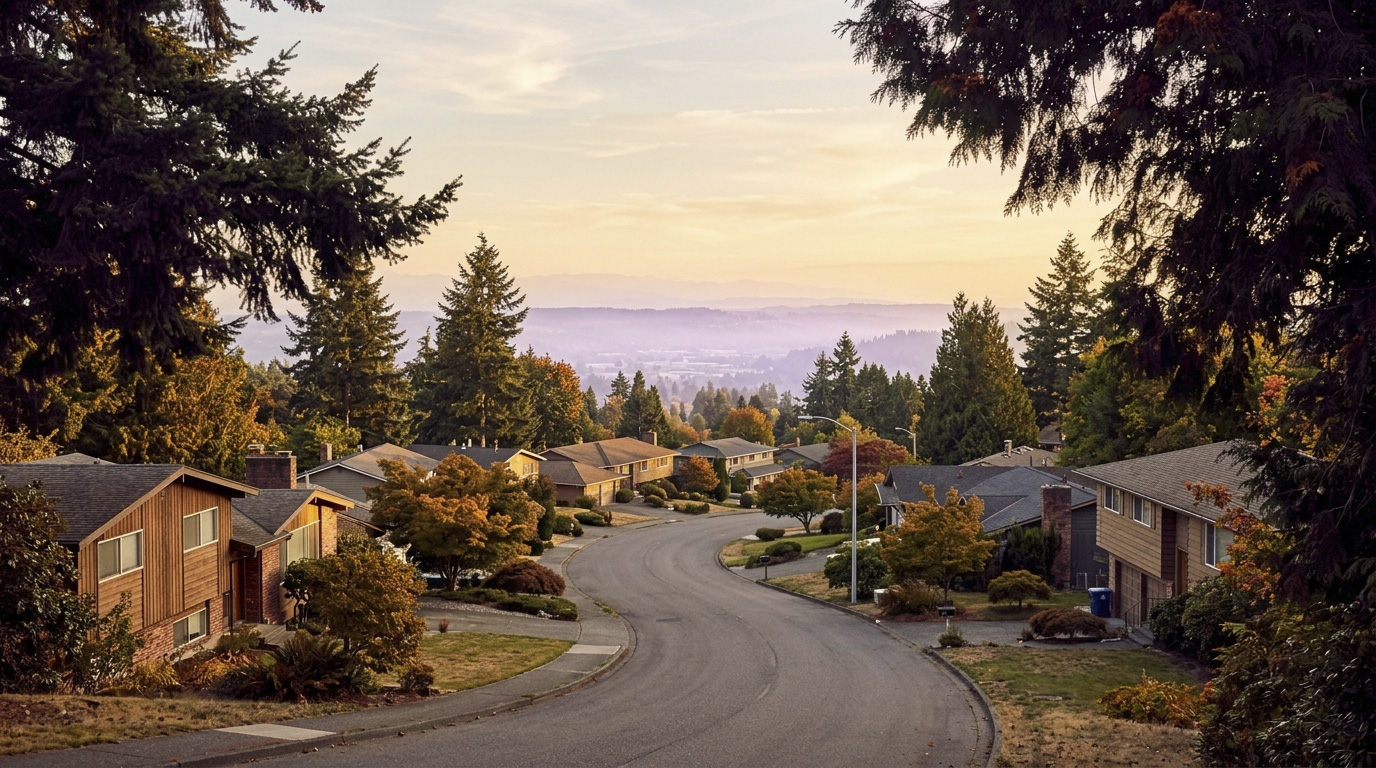
Talbot Hill offers some of the best views in Renton at a price below what you’d pay in Kennydale. The neighborhood rises south of downtown Renton and faces north — giving most homes a direct sightline to the valley, the Olympic Mountains, and Mount Rainier on clear days. The vibe is Family-First Established with character homes and a quiet, hillside feel. In 2026, it’s an undervalued part of the city that buyers who do their homework keep finding.

What Is It Actually Like to Live in Talbot Hill in 2026?

Talbot Hill has an elevated, tucked-away feel that residents love. The streets wind up and around the hillside, away from the bustle of Renton’s valley floor. On a weekday morning it’s genuinely quiet up here. Commuters leave by 7:30 and the neighborhood settles into a peaceful mid-morning calm. The Talbot Ridge Natural Area is accessible from several street-end trails, and locals use it for dog walks and trail runs throughout the year.

Weekends on Talbot Hill tend to revolve around home and garden. The lots are generous and the gardening culture is strong — you’ll see well-maintained flower beds and vegetable gardens on nearly every block in the spring and summer. Cedar River Trail is a five-minute drive or bike ride away for those who want longer recreational routes.

Talbot Hill draws buyers who want views and quiet but don’t want to pay Kennydale prices. Many are empty nesters who’ve downsized from larger homes, professionals who work from home and value the peaceful setting, and value-oriented families who want the south Renton location without the Kennydale competition. It has a slower, more deliberate pace than the rest of Renton.

Talbot Hill Reservoir Park open space in Renton Washington with large grass field, mature tree border, and territorial valley views.
Talbot Hill Reservoir Park offers open space and territorial views across the Renton valley, just a short walk from most hillside addresses.

Homes in Talbot Hill: What the Data Shows

Talbot Hill homes were mostly built between 1960 and 1995. Square footage typically runs 1,400 to 2,400 sq ft on lots ranging from 7,500 to 12,000 sq ft — larger than the Highlands average. Architectural styles are mostly Pacific Northwest Traditional and split-level designs. The hillside lots mean many homes have walk-out lower levels, daylight basements, and multi-story decks that take advantage of the views. Homes with northern or western exposure and clear valley views consistently out-perform interior lots. Many properties have been updated over the years, though there are still plenty of original-condition homes that offer good equity upside for buyers willing to invest in improvements.

Market Pulse Talbot Hill / 98055 King County
Median Sales Price (May 2026) ~$650,000 ~$859,000
Median Days on Market ~20 days ~28 days
Active Listings Change (vs. Jan 2026) +22% +30%

Figures are approximate based on zip code 98055 activity. Verify current data at NWMLS.com.

Schools Serving Talbot Hill

Talbot Hill is served by Renton School District. Primary school assignments are Talbot Hill Elementary, Nelsen Middle School, and Renton High School. Talbot Hill Elementary is a longstanding neighborhood anchor with a community-oriented reputation. Nelsen offers a STEM academy pathway. Renton High’s dual-enrollment program with Renton Technical College gives students practical career-ready credentials alongside their high school diploma. Families moving to this part of Renton appreciate having a true neighborhood elementary school that’s walkable from most of the hillside streets.

Getting to Work from Talbot Hill

Talbot Road S drops quickly from the hill to the 405/167 interchange. From there, Bellevue is about 15 minutes north and SeaTac is 15 minutes south. For downtown Seattle, most residents take Talbot Road to 405 north to I-5 north.

1960s to 1980s two-story single-family home exterior on hillside lot in Talbot Hill Renton Washington with view deck and mature landscaping.
Many Talbot Hill homes feature view decks and daylight basements that take advantage of the hillside lot positions and territorial sightlines.
Destination Distance 2026 Peak AM Drive Transit Option
Downtown Seattle 12 miles 22 to 38 min I-405 N to I-5 N
Amazon (South Lake Union) 13 miles 25 to 42 min I-405 N to I-5 N
Microsoft (Redmond) 18 miles 28 to 45 min I-405 N / Stride S2 + Transfer
SeaTac Airport 8 miles 12 to 20 min I-405 S to SR-167

What I See as a Valuation Expert in Talbot Hill

Talbot Hill has no HOA. That’s consistent with most of Renton’s older hillside neighborhoods. When I assess homes here for lenders, the single biggest value driver is view exposure. A home on the upper bench with a clear valley view will appraise meaningfully above a home two streets lower with no view, even if the floor plans and conditions are identical. I’ve seen that difference run $50,000 to $90,000 on a single block depending on elevation and tree encroachment. Buyers who target the upper bench streets generally get the best combination of views and lot size.

The mature landscaping here adds genuine value. Many homes have well-established foundation plantings, mature rhododendrons, and towering Douglas firs in the backyard. That visual depth and privacy buffer is something you can’t replicate in a newer neighborhood. It shows up in appraisals as a positive contribution to curb appeal and marketability.

My long-term read on Talbot Hill is that it’s undervalued relative to its view quality. Buyers regularly skip it for Kennydale without realizing the view from the upper bench here rivals what Kennydale delivers at a lower price. As more buyers do that comparison, the gap should narrow. For a 10-year hold, Talbot Hill looks like a quiet winner.

Frequently Asked Questions About Living in Talbot Hill, Renton

What are the views like from Talbot Hill?

From the upper bench streets, Talbot Hill delivers direct territorial views across the Renton valley toward the Olympic Mountains and Mount Rainier on clear days. The best view positions are above the midpoint of Talbot Road S on streets that face north and west. The view premium on these lots runs $40,000 to $80,000 above comparable interior-facing homes on the same street.

How does Talbot Hill compare to Kennydale?

Talbot Hill typically prices $50,000 to $100,000 below comparable Kennydale addresses for similar square footage and lot size. The upper bench views in Talbot Hill are genuinely competitive with Kennydale views. The main difference is that Kennydale offers lake access and Lake Washington proximity, while Talbot Hill offers valley and mountain views from a quieter hillside setting.

What schools serve Talbot Hill?

Talbot Hill is served by Renton School District. The typical pipeline is Talbot Hill Elementary, Nelsen Middle School, and Renton High School. Talbot Hill Elementary is a walkable neighborhood school — a genuine rarity in south Renton. Always verify your specific address with the district before writing an offer.

Is there an HOA in Talbot Hill?

No. Talbot Hill is a no-HOA neighborhood. Individual homeowners have full control of their properties with no monthly dues. This is consistent with most of Renton’s older hillside neighborhoods from this era.

Explore Talbot Hill Yourself

Drive Talbot Road S up to the upper bench and park. Walk toward Talbot Ridge Natural Area. The combination of quiet streets, mature trees, and valley views tells the whole story.

View Talbot Hill on Google Maps →

Your guide to life outside Seattle.

Gregory Dorrell | Coldwell Banker Bain | WA License #111862
253-350-0045  ·
greg@livingoutsideseattle.com  ·
www.livingoutsideseattle.com
Buyer Resources June 9, 2026

How Mortgage Qualification Works in Washington State

How Mortgage Qualification Works in Washington State

A plain-English look at what lenders actually check before they hand you a loan, and how to know your real number before you start shopping homes in King County.

Most people think mortgage qualification is about one thing: your income. It is not. A lender looks at four things, and your salary is only one of them. I watch this play out every week with first-time buyers in Renton, Kent, and Auburn. Someone makes good money, assumes they will qualify for plenty, and then learns their car loan and student debt cut their buying power by a hundred grand. That surprise is avoidable.

Here is the part that matters for you. Knowing how mortgage qualification works in Washington State before you tour a single home means you shop in the right price range from day one. You write stronger offers because your pre-approval is solid. And you do not fall in love with a house you were never going to get. This guide walks through exactly what a lender measures, how they do the math, and what to do if the answer is “not yet.”

The Four Things a Lender Actually Checks

When you apply for a loan, the lender is answering one question: will this person pay us back every month? To get there, they look at four areas. Miss the mark on any one and your approval can stall, even if the other three are strong.

The first is income, but not the way you might think. Lenders use your gross monthly income, the amount before taxes come out. They also need to see that it is stable and likely to continue. A two-year track record is the standard. The second is your debt-to-income ratio, which is the single most important number in the whole process. The third is your credit score and history. The fourth is your down payment and the cash reserves you have left after closing. Each one tells the lender something different about your risk as a borrower.

So what does this mean for you? You can have a great salary and still get turned down if your debt load is too high. And you can have a modest income and qualify comfortably if you carry almost no debt. The mix matters more than any single number.

Income: What Counts and What Does Not

Lenders want income they can rely on. A steady paycheck from a W-2 job is the easiest kind to document. They average your pay over the last two years, and they want to see that you have stayed in the same line of work. Switching from nursing to nursing at a new hospital is fine. Switching from nursing to opening a food truck six months ago is a problem, because there is no track record yet.

Bonus, commission, and overtime income count too, but only if you have a history of earning it. A lender will usually average two years of bonus pay and use that figure. One big bonus last quarter does not count if the year before showed nothing. Side income from a rental property or a second job can also help, as long as you have filed taxes on it for two years.

What income counts for a mortgage in King County WA: W-2, bonus, self-employment, rental

Lenders want a two-year track record on most income types before they will count it.

Self-Employed Buyers: The Rules Are Different

If you own a business or work as a 1099 contractor, the math changes. Lenders do not use the money your business brings in. They use your net income after expenses, pulled straight from your tax returns. They add up your net profit from the last two years, then divide by 24 to get a monthly figure. So if you netted $110,000 one year and $104,000 the next, that is $214,000 divided by 24, or about $8,917 a month in qualifying income.

Two wrinkles trip up self-employed buyers. First, if your second year was lower than your first, many lenders stop averaging and use only the lower year. They want to see income holding steady or rising, not falling. Second, lenders add some paper deductions back in. Depreciation, for example, is a tax write-off that never actually left your bank account, so a lender adds it back to your qualifying income. That can work in your favor.

Debt-to-Income Ratio: The Number That Decides Everything

Your debt-to-income ratio, or DTI, is the percentage of your gross monthly income that goes toward debt payments. It is the number that makes or breaks most applications, so it is worth understanding well.

There are two versions. Your front-end ratio is just your future housing payment divided by your gross monthly income. Your back-end ratio adds in everything else: car loans, student loans, credit card minimums, personal loans, and the new mortgage. Lenders care most about the back-end number.

Here is how it works in practice. Say you earn $8,000 a month before taxes. You have a $450 car payment, a $300 student loan payment, and $150 in credit card minimums. That is $900 in monthly debt before any mortgage. If a lender caps your back-end DTI at 45 percent, your total debt can be $3,600 a month. Subtract the $900 you already owe, and you have $2,700 left for a mortgage payment, including taxes and insurance. That single calculation sets your price range.

Debt-to-income ratio example for a King County WA mortgage at a 45 percent cap

Paying off one car payment can raise your buying power by tens of thousands of dollars.

The caps vary by loan type. Conventional loans usually want a back-end DTI at or below 45 percent, though strong credit and a bigger down payment can push that to 50. FHA loans officially target 31 percent for housing and 43 percent for total debt, but with automated underwriting approval and solid compensating factors, they can stretch to nearly 57 percent. VA loans for veterans and active-duty service members do not set a hard cap at all. They use a 41 percent guideline and focus on residual income, the cash you have left each month after your big bills are paid.

What does this mean for you? Pay down a credit card or knock out a small loan before you apply, and you can free up real buying power. I have seen buyers raise their price range by $40,000 to $60,000 just by paying off one car. If you want to understand how your full monthly cost breaks down once you do buy, our guide on the total cost of homeownership in King County walks through every line item.

Credit Score: What Lenders Want to See

Your credit score tells a lender how you have handled borrowed money in the past. Each loan program has a minimum. Conventional loans generally want a 620 or higher. FHA loans can go lower, sometimes down to 580 with a 3.5 percent down payment, or even 500 with a larger down payment. VA loans do not set a federal minimum, but most lenders want around 620.

Your score does more than open the door. It also sets your interest rate. A buyer with a 760 score gets a noticeably lower rate than a buyer with a 640 score on the exact same loan. Over 30 years, that gap is tens of thousands of dollars. If your score sits in a lower tier, a few months of on-time payments and lower card balances can move you up before you lock a rate.

If you are weighing FHA against a conventional loan and wondering which fits your credit and down payment, our breakdown of FHA vs. conventional loans in King County lays out the trade-offs side by side.

Down Payment and Cash Reserves

The down payment is the cash you put toward the purchase up front. Bigger is not always required. Conventional loans can go as low as 3 percent down for first-time buyers. FHA needs 3.5 percent. VA and USDA loans can require zero down for those who qualify. So the old idea that you need 20 percent is simply not true for most buyers.

A larger down payment still helps in two ways. It lowers your monthly payment, and once you cross 20 percent on a conventional loan, you drop private mortgage insurance, which can save a couple hundred dollars a month. Lenders also like to see reserves, meaning money left in the bank after closing. A few months of mortgage payments in savings makes your application stronger.

Down payment money is also where many King County buyers find help they did not know existed. Several programs can cover part or all of your down payment, with deferred repayment in some cases. Our full guide to King County down payment assistance programs breaks down who qualifies and how to stack programs.

The Local Angle: What Qualifying Looks Like in King County

National advice only gets you so far, because qualification numbers run into local prices. King County is an expensive market, and the federal government recognizes that with a higher loan limit. For 2026, the conforming loan limit here is $1,063,750 for a single-family home, far above the national baseline. Every city in the county shares that limit, from Renton and Kent to Auburn and Federal Way.

Why does that matter for you? Loans up to that amount follow standard conforming rules. Go above it and you enter jumbo territory, where lenders want bigger down payments, higher credit scores, and more reserves. Because South King County prices generally sit below that ceiling, most first-time buyers here qualify under the easier conforming guidelines. A $700,000 home in Kent or a $668,000 home in Auburn keeps you well inside the conforming box.

The first-time buyers I work with most often are dual-income couples in their early thirties earning somewhere between $90,000 and $160,000 a household. Many also have student loans and a car payment, which is exactly why DTI, not salary, ends up being the deciding factor. The good news is that South King County still offers homes priced where those households can qualify, especially in Auburn, Kent, and parts of Renton. If you want a real picture of what payments look like at current rates, our post on King County mortgage rates and what buyers are actually paying shows the monthly math.

What This Means for You as a Buyer

Start with a real pre-approval, not an online calculator. An online estimate does not pull your credit or verify your income, so it is a guess. A lender pre-approval gives you a hard number you can shop with and an offer sellers take seriously.

Before you apply, do three things. Pull your credit and fix any errors. Pay down a card or a small loan if you can, since every dollar of monthly debt you erase frees up room for a mortgage payment. And gather two years of tax returns, recent pay stubs, and bank statements so the process moves fast. If you are early in the journey and still deciding whether buying even makes sense yet, our look at buying now versus waiting in nearby Auburn runs the real math.

One honest note. Getting pre-approved does not mean you should borrow the full amount. The lender tells you the ceiling. Your budget and your comfort level should set the actual number. A payment that looks fine on paper can feel tight once property taxes, insurance, and life show up.

What to Do If You Do Not Qualify Yet

A “not yet” is not a “no.” Most buyers who get turned down are closer than they think. If your DTI is too high, the fastest fix is paying down revolving debt and avoiding new loans before you reapply. If your credit score is the holdup, a few months of on-time payments and lower balances can move you into a better tier and a better rate.

If your income is the issue, time and documentation usually solve it. A self-employed buyer who is one year into a business often just needs to reach the two-year mark. A buyer who recently switched careers needs to build a short track record in the new field. And if the down payment is the gap, assistance programs in King County exist for exactly that reason. The point is simple: find out where you stand now, fix the one thing holding you back, and reapply with a plan.

Frequently Asked Questions

How much income do I need to qualify for a mortgage in King County?

There is no single number, because it depends on your debt, your down payment, and current rates. Lenders care about your debt-to-income ratio, not your salary alone. As a rough guide, a household with little other debt buying a median-priced South King County home often needs somewhere in the low-to-mid six figures of household income, but a buyer with no car payment or student loans can qualify on less.

What is a good debt-to-income ratio to buy a home in Washington State?

Most loan programs want your total, or back-end, DTI at or below 43 to 45 percent, though FHA and VA loans can stretch higher with strong credit and compensating factors. Below 36 percent is considered strong and gives you the most options. The lower your DTI, the more house you can qualify for at the same income.

Can I qualify for a mortgage if I am self-employed in Washington?

Yes. Lenders use your net business income from the last two years of tax returns, averaged over 24 months, and add back certain paper deductions like depreciation. The catch is that aggressive tax write-offs lower the income a lender can count, so plan ahead if you intend to buy.

What credit score do I need to buy a home in King County?

Conventional loans usually want 620 or higher. FHA loans can go down to 580 with 3.5 percent down, or 500 with a larger down payment. VA loans have no federal minimum, but most lenders look for around 620. A higher score also earns you a lower interest rate.

How much do I need for a down payment in King County?

Less than most people assume. Conventional loans can require as little as 3 percent down, FHA needs 3.5 percent, and VA and USDA loans can be zero down for those who qualify. King County down payment assistance programs can cover part of that for eligible buyers.

Does getting pre-approved guarantee I get the loan?

Pre-approval is strong, but not a final guarantee. It is based on the information you provide and a credit pull. Final approval comes after the lender verifies everything and the home appraises. Avoid taking on new debt or changing jobs between pre-approval and closing, since either can change your numbers.

Know Your Number Before You Start Looking

Mortgage qualification in Washington State is not a mystery. It is four things a lender checks: income, debt-to-income ratio, credit, and down payment. Understand those, get a real pre-approval, and you walk into the King County market knowing exactly what you can buy and writing offers that hold up.

Your guide to life outside Seattle.

Gregory Dorrell | Coldwell Banker Bain | WA License #111862
253-350-0045  ·
greg@livingoutsideseattle.com  ·
www.livingoutsideseattle.com
Buyer Resources June 7, 2026

Income Needed to Buy a Home in Renton WA 2026

Renton is the city I price homes in more than anywhere else. I do BPO work across south and east King County every week, which means I’m pulling comps in the Highlands, Benson Hill, Talbot Hill, and Kennydale constantly. When buyers ask me what income they need to get into Renton, I don’t give them a guess — I give them the payment math.

Here’s what that math looks like in June 2026.

The short version: to buy a median-priced single-family home in Renton, most lenders want to see household income in the $130,000 to $175,000 range — significantly more accessible than Bellevue, Issaquah, or Sammamish, but still a real number that requires planning. The range shifts by $40,000 or more depending on which neighborhood you’re targeting and how much you put down.

Quick Answer

For a median-priced single-family home in Renton — around $657,000 to $700,000 in early 2026 — lenders using a standard 28% housing ratio expect household income of roughly $130,000 to $160,000 with a 20% down payment at current rates. Total monthly costs including taxes, insurance, and maintenance run between $3,800 and $4,500. Down payment assistance through WSHFC can reduce loan amounts and make lower income levels viable for first-time buyers.

The Renton Price Landscape Right Now

Renton isn’t one market. It runs from sub-$300,000 condos to $850,000-plus single-family homes on the Lake Washington waterfront side, and the income math shifts significantly across that range.

Here’s where the neighborhoods sit as of mid-2026:

Kennydale / Lake Washington

$800K – $1.1M+

Water proximity, views, larger lots. Renton’s premium tier.

Renton Highlands

$700K – $850K

Newer construction, strong school proximity, employment corridor access.

Benson Hill

~$675K avg

Absorbing demand from buyers priced out further north. Rising.

Central / South Renton

$620K – $680K

Near citywide median. Older stock, mixed conditions, price-sensitive buyers.

Talbot Hill / South Entry-Level

$550K – $620K

Most affordable detached homes. Some need work. Best entry point.

Condos (Citywide)

~$270K avg

Completely different income equation. Clearest path for buyers below single-family thresholds.

Renton WA home prices by neighborhood 2026 — Kennydale $800K-$1.1M, Renton Highlands $700K-$850K, Benson Hill $675K, Central Renton $620K-$680K, Condos $270K
Renton isn’t one market — it’s a full price spectrum. Your income requirement changes dramatically based on which tier you’re targeting.

The Income Math by Price Point

I’m running these numbers at 6.5% on a 30-year fixed — right in the middle of where Washington rates have been sitting in June 2026 — and a 20% down payment. Property taxes use King County’s effective rate of about 0.83%.

$550K

Talbot Hill / entry-level

Down payment: $110,000

P&I: ~$2,781/mo

Taxes: ~$381/mo

Ins + reserve: ~$350/mo

Total monthly

~$3,512

Income needed

~$150K/yr

$660K

Citywide median

Down payment: $132,000

P&I: ~$3,338/mo

Taxes: ~$457/mo

Ins + reserve: ~$390/mo

Total monthly

~$4,185

Income needed

~$179K/yr

$750K

Highlands / Benson Hill upper

Down payment: $150,000

P&I: ~$3,793/mo

Taxes: ~$519/mo

Ins + reserve: ~$430/mo

Total monthly

~$4,742

Income needed

~$203K/yr

These are conventional lender standards using the 28% front-end housing ratio. Many buyers also qualify using a 36% to 43% total debt-to-income ratio, which can allow lower income levels if other debts are minimal.

For a full breakdown of what ownership actually costs beyond the mortgage, the Total Cost of Homeownership in King County 2026 post walks through every line item.

How Renton Compares to Kent and Auburn

Kent sits at a median around $646,000 — close to Renton’s but slightly below. The income math at Kent’s median is nearly identical to Renton’s entry-level single-family range. What Kent has going for it: slightly more inventory and a lower median price on homes in comparable condition. What Renton has: better freeway access to Bellevue and the Eastside tech corridor via I-405.

Auburn runs $450,000 to $650,000 depending heavily on neighborhood, with entry-level homes pulling the average down. For first-time buyers with household income in the $100,000 to $130,000 range, Auburn is where the payment math starts working without assistance. Auburn also has the Sounder South commuter rail, which changes the math for Seattle-bound workers.

Renton sits in the middle on price but typically beats both on commute versatility — you can reach Seattle, Bellevue, and the airport in comparable time. If your budget is tight and commute isn’t a deciding factor, Auburn’s price-per-square-foot is still the best in King County at this level. If you want commute flexibility, Renton is the answer.

Down Payment Assistance: What Renton Buyers Can Access

More Renton buyers qualify for assistance than they think. The income limits are broader than most people assume, and Renton’s price range sits squarely in the eligible zone for Washington’s main programs.

WSHFC Home Advantage is the state’s primary first-time buyer program. It provides a deferred second mortgage covering up to 5% of the loan amount at 0% interest — no payments required for 30 years. The income limit for King County is $145,000 for most household sizes. At Renton’s median price, that makes Home Advantage relevant for buyers in roughly the $100,000 to $145,000 household income band — a large portion of the market.

At the median price of $660,000 with 5% down, 5% assistance equals approximately $31,000 — enough to meaningfully reduce either the down payment burden or the loan amount.

The King County Down Payment Assistance 2026 guide walks through how to combine WSHFC and KCHA programs to maximize what you receive.

Washington State WSHFC Home Advantage down payment assistance program 2026 — up to 5% loan amount, 0% interest, 30-year deferred payment, $145K income limit King County
WSHFC Home Advantage covers buyers up to $145,000 household income in King County — a large share of the Renton buyer pool qualifies and doesn’t know it.

What This Means for Renton Buyers

If your household income is in the $100,000 to $130,000 range, Renton’s condo market and the entry-level south Renton single-family pockets are where the math works — especially with down payment assistance reducing the loan amount.

If your income is $130,000 to $160,000, the citywide median single-family market is within reach, though you’ll want minimal other debt to keep your total debt-to-income ratio under 43%, which is the typical conventional loan ceiling.

Above $160,000, you have access to most of Renton including Renton Highlands, Benson Hill upper, and Kennydale’s lower range — and above $200,000 you’re looking at Kennydale and the lakefront streets.

If you’re putting less than 20% down, make sure you understand whether FHA or conventional makes more sense at your credit score. The FHA vs. Conventional Loan in King County post breaks down the PMI difference and loan limit considerations.

From the Field

I price homes in Renton every week. What I see in the BPO work: the buyers who’ve already run the income math before they start shopping close faster and negotiate better. They know exactly which price tier they’re targeting, so they don’t waste time falling in love with a home that’s $80,000 above what their lender will support. In Renton right now, where the $620,000 to $680,000 range is moving in 15 to 30 days on average, that preparation gap matters.

King County Specifics: What Renton Buyers Actually Pay

Property taxes in Renton run an effective rate of about 0.80% to 0.85% — right around the King County average of 0.83%. On a $660,000 home, that’s roughly $5,300 to $5,600 per year, or $440 to $465 per month.

Current 30-year fixed rates in Washington are running 6.31% to 6.63% as of June 2026. That spread changes your payment by about $115 per month on a $528,000 loan — real money over 30 years. Shopping two or three lenders and working with a good mortgage broker typically lands buyers at the lower end of that range.

For current rate movement and what’s driving it, the King County Mortgage Rates 2026 post has the context every buyer needs before locking a rate.

Frequently Asked Questions

What income do you need to buy a home in Renton WA?

For the citywide median around $657,000 to $700,000, conventional lenders typically want household income of $130,000 to $180,000 depending on down payment size and existing debt. At Renton’s entry-level single-family range ($550,000 to $620,000), income requirements drop to $110,000 to $150,000. Down payment assistance through WSHFC can reduce loan amounts and make lower income levels viable for first-time buyers.

Is Renton more affordable than Bellevue and Issaquah?

Yes, significantly. Bellevue’s median runs around $1.45 million and Issaquah’s citywide median is approximately $1.05 million. Renton’s single-family median of $657,000 to $700,000 is roughly half of Bellevue’s price point. The trade-off is school district — Bellevue and Issaquah have consistently top-rated districts. Renton’s schools vary by neighborhood.

How much is a down payment on a home in Renton?

At the citywide median of approximately $660,000, a 20% down payment is $132,000 and a 10% down payment is $66,000. For entry-level homes around $550,000, a 20% down payment is $110,000. With WSHFC Home Advantage, eligible buyers can reduce the down payment to as low as 3% to 5% and receive up to 5% of the loan amount in assistance.

Do down payment assistance programs work in Renton?

Yes — and more buyers qualify than realize it. WSHFC Home Advantage has a $145,000 income limit for King County, which covers a large portion of first-time buyers targeting Renton’s median range. At a $660,000 purchase price with 5% down, the assistance can provide up to approximately $31,000 — a meaningful reduction in what you need to bring to closing.

How does Renton compare to Kent and Auburn for affordability?

Kent’s median is just below Renton’s at roughly $646,000 — similar income math. Auburn has a wider price range with entry-level homes in the $450,000 to $550,000 band, making it more accessible for buyers with household income under $120,000. Renton’s advantage over both is commute versatility — direct I-405 access to the Eastside is harder to replicate from Auburn or Kent.

What is Renton’s property tax rate?

Renton’s effective property tax rate runs about 0.80% to 0.85% of assessed value, close to the King County average. On a $660,000 home, that’s approximately $5,280 to $5,610 per year, or $440 to $468 per month.

Ready to Run the Real Numbers?

If you’re looking at homes in Renton and want an honest read on what you can buy in today’s market — not a calculator estimate — reach out. I can walk you through the payment math, flag which neighborhoods fit your budget, and tell you what I’m seeing in the BPO work I do here every week.

Gregory Dorrell · Coldwell Banker Bain

Renton is my market.

Email Greg
More Resources

King County CitiesRenton June 7, 2026

Living in Renton Highlands WA | 2026 Neighborhood Guide

Living in Renton Highlands WA: What You Need to Know in 2026

Renton Highlands is where affordability meets Cascade views. This large plateau neighborhood sits east of downtown Renton and delivers wide mountain sightlines on clear days. The vibe is Family-First Established with working-class roots and a strong sense of community. In 2026, it’s one of the most affordable neighborhoods in north Renton, and buyers are taking notice.

What Is It Actually Like to Live in Renton Highlands in 2026?

The Highlands feels like a real neighborhood — the kind where people know their neighbors and kids still play outside. On weekday mornings the streets are busy with school traffic and commuters heading to 405. By 9 a.m. it quiets down. The commercial strip along NE 4th Street handles most daily errands without ever needing to drive to Renton’s urban core.

Weekends in the Highlands center around the parks and the community. Highlands Neighborhood Park has a community center, a spray pad for kids, and fields that host youth soccer and baseball leagues throughout the spring and summer. The Renton Farmers Market isn’t far — just a short drive downtown on Saturdays from May through October.

The Highlands draws a wide mix of buyers. You’ll find longtime owners who bought in the 1990s and have no plans to leave, first-generation homeowners, and young families priced out of Kennydale who want the plateau location without the Kennydale price tag. It’s one of the most diverse and community-oriented neighborhoods in the city.

Highlands Neighborhood Park in Renton Washington with open grass fields, mature trees, and community center building.
Highlands Neighborhood Park anchors community life with sports fields, a spray pad, and year-round programming for all ages.

Homes in Renton Highlands: What the Data Shows

Most Highlands homes were built between 1950 and 1980, with significant infill construction through the 2000s. Square footage typically ranges from 1,100 to 2,200 sq ft on city-standard lots of 6,000 to 8,500 sq ft. The dominant styles are post-war ramblers, split-level homes, and updated ranch-style builds. Many properties have been improved over the years with new roofs, updated kitchens, and vinyl windows. There’s also a noticeable pocket of newer construction on the eastern edges of the Highlands where infill lots were developed in the 2010s — these newer homes stand out for their energy efficiency and modern floor plans.

Market Pulse Renton Highlands / 98059 King County
Median Sales Price (May 2026) ~$620,000 ~$859,000
Median Days on Market ~24 days ~28 days
Active Listings Change (vs. Jan 2026) +28% +30%

Figures are approximate based on zip code 98059 activity. Verify current data at NWMLS.com.

Schools Serving Renton Highlands

Renton Highlands is served by Renton School District. The main feeder schools are Highlands Elementary, McKnight Middle School, and Hazen High School. Highlands Elementary has a well-regarded after-school program and strong community ties. McKnight offers elective depth including arts and technology tracks. Hazen High carries solid AP offerings and a dual-enrollment partnership with Renton Technical College that gives seniors a head start on post-secondary credentials. For a neighborhood at this price point, the school pipeline is a real asset.

Getting to Work from Renton Highlands

The NE 4th Street corridor connects the Highlands directly to I-405 in about five minutes. From there, north to Bellevue or south to SeaTac are both straightforward. For Redmond or the Eastside tech corridor, 405 northbound is the primary route.

1960s to 1980s single-family home exterior in Renton Highlands Washington, one-story rambler with composite siding and mature landscaping.
Renton Highlands homes typically run 1,100 to 2,200 sq ft on 6,000 to 8,500 sq ft lots, with post-war ramblers and split-levels as the dominant styles.
Destination Distance 2026 Peak AM Drive Transit Option
Downtown Seattle 13 miles 25 to 40 min I-405 N to I-5 N
Amazon (South Lake Union) 15 miles 30 to 50 min I-405 N to I-5 N
Microsoft (Redmond) 16 miles 25 to 40 min I-405 N / Stride S2 + Transfer
SeaTac Airport 11 miles 18 to 28 min I-405 S to SR-167

What I See as a Valuation Expert in Renton Highlands

The Highlands has no city-wide HOA. Most homes sit on individual fee-simple lots with no monthly dues. That’s a plus for buyers who want full control of their property and no HOA budget risk. When I assess homes here for lenders, I watch for two things: condition and lot utility. The Highlands has a wide range of condition — from fully remodeled homes that compete with Kennydale to deferred-maintenance properties that need real investment. The gap between best and worst condition in a single block can be $80,000 or more on the appraisal. Buyers need to be careful not to overpay for a flip that was cosmetically updated but didn’t address the bones.

What I notice when I walk the Highlands is that the eastern edges near the newer infill construction hold value better than the original 1950s core near Sunset Blvd. The newer homes have better energy performance, larger floor plans, and less deferred maintenance risk. They also tend to be the ones that move fastest when the market softens.

The long-term case for the Highlands is about affordability persistence. As King County prices keep rising, this neighborhood functions as the entry point for buyers who want Renton but can’t reach Kennydale. That floor demand is durable. The Highlands won’t lead appreciation, but it won’t crater either. For first-time buyers and value-focused investors, it offers consistent, if modest, long-term returns.

Frequently Asked Questions About Living in Renton Highlands

Is there an HOA in Renton Highlands?

No neighborhood-wide HOA exists in Renton Highlands. Most homes sit on individual fee-simple lots with full owner control and no monthly dues. This is a plus for buyers who want to avoid HOA budget risk and restrictions on their property.

What are the Cascade views like from Renton Highlands?

On clear days, the eastern edges of Renton Highlands deliver direct sightlines to the Cascade Range. Homes on the eastern bench with unobstructed view corridors consistently command premiums of $25,000 to $50,000 over equivalent homes two streets west with no view. The best view positions are on streets closer to the eastern infill edge.

What schools serve Renton Highlands?

Renton Highlands feeds into Renton School District. The typical pipeline is Highlands Elementary, McKnight Middle School, and Hazen High School. Hazen carries solid AP offerings and a dual-enrollment partnership with Renton Technical College. Always verify your specific address with the district before writing an offer, as boundary lines can shift.

How does Renton Highlands compare to Kennydale for buyers?

Renton Highlands typically runs $100,000 to $150,000 below comparable Kennydale homes on a like-for-like basis. You get similar plateau access and freeway proximity, but without the lake views Kennydale commands. For buyers who prioritize space and value over water views, the Highlands is the smarter financial choice.

Explore Renton Highlands Yourself

Drive NE 4th Street from 405 east to the Highlands commercial strip, then wind through the residential streets on a weekend morning. The community feel is real and immediate.

View Renton Highlands on Google Maps →

Your guide to life outside Seattle.

Gregory Dorrell | Coldwell Banker Bain | WA License #111862
253-350-0045  ·
greg@livingoutsideseattle.com  ·
www.livingoutsideseattle.com
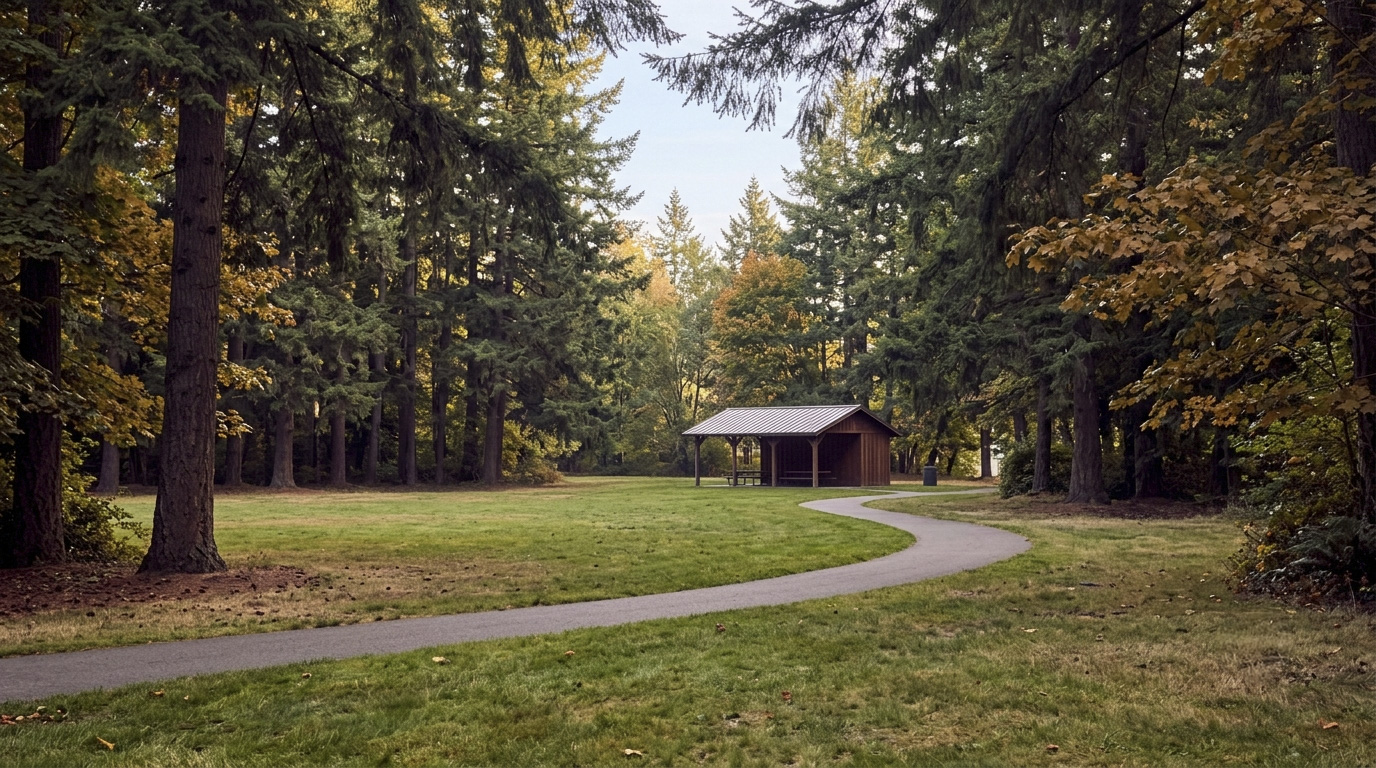
Buyer Resources June 7, 2026

Best Issaquah Neighborhoods for Families 2026

Best Issaquah Neighborhoods for Families with School-Age Kids

School zones, trail access, community feel, and real 2026 price ranges — neighborhood by neighborhood.

When families call me about Issaquah, the first question is almost always some version of: “We keep hearing the schools are great — but does it matter which neighborhood we pick?” The answer is yes, and the nuance matters more than most people expect.

Issaquah is served almost entirely by the Issaquah School District, which ranks #3 in Washington State in 2026 with an A+ rating from Niche. Math proficiency in district schools runs 72% versus a 41% statewide average. Reading proficiency: 77% versus 53% statewide. These are not small differences. For families who moved to a suburb specifically for the schools, Issaquah delivers.

But here is the thing most search results skip: the experience of raising kids in Issaquah varies significantly by neighborhood. Issaquah Highlands puts you minutes from Grand Ridge trails and a newer elementary school. Klahanie has two pools, eight parks, and an International Baccalaureate high school pipeline. Olde Town has walkable streets and a slower, more connected community feel. Sycamore has the quiet you want, with quick access to everything you need. Each neighborhood feeds different schools, has a different feel, and sits at a different price point.

This post breaks them down.

The School District Picture First

Before getting neighborhood-specific, let me address the question I get most: does all of Issaquah fall in the Issaquah School District?

Almost all of it, yes. The Issaquah School District (ISD) covers the City of Issaquah plus portions of Sammamish, Newcastle, East Renton Highlands, and unincorporated areas. A handful of addresses near the Bellevue border may fall in the Lake Washington School District or Bellevue School District instead.

If the school district line is a decision-maker for your family, verify your specific address at the Issaquah School District website before going under contract. Agents should do this for you, but double-check it yourself.

Within the Issaquah School District, there are three high school attendance zones: Issaquah High School, Liberty High School, and Skyline High School. Each has strong performance metrics. I will note the high school pipeline for each neighborhood below.

Issaquah neighborhood comparison infographic showing school zones, home price ranges, and key features for Issaquah Highlands, Klahanie, Sycamore, Olde Town, and Talus

Five major Issaquah neighborhoods, their high school zones, and 2026 price ranges — all within the top-ranked Issaquah School District.

Issaquah Highlands: Top Schools, Trail Access, Newer Construction

Issaquah Highlands is a master-planned community on the ridge east of downtown Issaquah, and it is the first neighborhood most relocating families land on. It is easy to see why.

The neighborhood sits at elevation, which means views, lower density on the ridge streets, and direct access to Grand Ridge Park — 1,200 acres of trails that you reach without getting in a car. For families with active kids, this matters. You can be on dirt in five minutes from most parts of the Highlands.

Schools in Issaquah Highlands feed into Grand Ridge Elementary (opened 2012, newer building), which flows through Pacific Cascade Middle School to Issaquah High School. Grand Ridge Elementary consistently earns strong ratings and draws a highly engaged parent community.

The Grand Ridge Plaza town center puts a grocery store, coffee shops, restaurants, and services within the neighborhood itself, which means less driving for daily errands — a real quality-of-life factor when you have kids in activities.

Issaquah Highlands at a Glance

Typical price range (2026): $1.0M–$1.5M for single-family homes

High school: Issaquah High School

Elementary: Grand Ridge Elementary

Best for: Families who want newer construction, trail-out-the-door lifestyle, and a built-in community feel with walkable amenities

The tradeoff is price. Issaquah Highlands is the most expensive neighborhood in Issaquah. The median home price ran $1.07M–$1.24M in early 2026, and well-priced homes still move in under two weeks. You are paying for newer construction, the trail access, and the community infrastructure.

Klahanie: Pools, Parks, and an IB High School Pipeline

Klahanie is a large master-planned community on the northeastern edge of Issaquah, and it has a loyal following among families for one simple reason: the amenities are built in. Two year-round pools. Eight parks and recreation areas. Three lit sports courts. An established HOA that maintains the whole thing.

Klahanie feeds into Challenger Elementary School, Beaver Lake Middle School, and Skyline High School — which carries an International Baccalaureate World School designation. For families who care about IB programming at the high school level, Klahanie gives you that path.

The community was established about 40 years ago, which means larger lots, mature trees, and a neighborhood that does not feel brand new. Homes run from single-family detached houses to multi-family options and condos, so there is real range in the price spectrum.

Klahanie at a Glance

Typical price range (2026): $700K (condo) to $1.5M+ (larger single-family); median single-family ~$1.3M

High school: Skyline High School (IB World School)

Elementary: Challenger Elementary

Best for: Families who want a tight community feel, established neighborhood character, pool and park amenities, and access to IB programming

One thing families consistently mention about Klahanie: it feels like a real neighborhood. People know each other. Kids play outside. The community events happen because neighbors actually show up. That is harder to manufacture in a newer development, and Klahanie has it.

Sycamore: Quiet Streets, Mature Trees, and Great Schools Without the Premium

Sycamore is one of the more underrated neighborhoods for families in Issaquah. It sits between Olde Town and the hillside neighborhoods, with tree-lined streets, 1970s and 1980s construction on established lots, and a calm residential feel.

It feeds into Issaquah Valley Elementary, which has a long-standing parent community and strong ratings. The middle and high school pipeline follows the Issaquah High School path.

What makes Sycamore attractive for families is the price point. You get the Issaquah School District quality without paying Issaquah Highlands or Klahanie prices. Homes here tend to run in the $850K–$1.1M range, which gives families meaningfully more house per dollar relative to the master-planned communities. The lots tend to be larger, and the neighborhood has the kind of organic feel that master-planned communities cannot replicate.

Sycamore at a Glance

Typical price range (2026): $850K–$1.1M

High school: Issaquah High School

Elementary: Issaquah Valley Elementary

Best for: Families who want established character, larger lots, and strong schools at relative value compared to master-planned communities

Olde Town: Walkable, Community-Rooted, and More Accessible

Olde Town is the historic heart of Issaquah — the original downtown core. Front Street has local shops, restaurants, and coffee. Gilman Village is a short walk. Confluence Park sits at the edge of the neighborhood, and the Issaquah Transit Center is close enough that commuting to Seattle without fighting I-90 every single day is actually possible.

For families, Olde Town has a different appeal than the Highlands or Klahanie. It is less about amenities packages and more about being embedded in a real town. Kids can walk or bike to things. There is a farmer’s market. You are not driving everywhere for everything.

The school assignment in Olde Town feeds into Issaquah Valley Elementary and flows through to Issaquah High School. Schools are rated highly — this is still the Issaquah School District — but the elementary reflects a more mixed demographic than Grand Ridge or Challenger, which some families see as a positive.

Olde Town at a Glance

Typical price range (2026): $900K–$1.3M (significant variation by condition)

High school: Issaquah High School

Elementary: Issaquah Valley Elementary

Best for: Families who want walkability and being in a real town rather than a master-planned community

Family with children hiking on a forested trail in Issaquah Washington, surrounded by tall Pacific Northwest evergreen trees

Trail access is one of Issaquah’s biggest draws for families — Tiger Mountain, Squak Mountain, and Grand Ridge Park all connect directly to city neighborhoods.

Talus: Newer Construction on Cougar Mountain with a Quieter Feel

Talus is a newer master-planned community on the slopes of Cougar Mountain, southwest of the downtown Issaquah core. It has newer construction, good HOA maintenance, and a quieter residential feel compared to Issaquah Highlands.

The Talus community sits near Cougar Mountain Regional Wildland Park and has reasonable trail access for families who want outdoor time without driving to a trailhead. It feeds into the Issaquah High School pipeline and connects to the same strong district schools as the other central neighborhoods.

Talus runs a bit more affordably than Issaquah Highlands in the single-family home category, while still delivering newer construction and a clean, well-maintained community. It tends to attract families who want that environment but prefer a slightly lower-key setting than the Highlands’ busier town center.

Talus at a Glance

Typical price range (2026): $950K–$1.3M

High school: Issaquah High School

Best for: Families who want newer construction and trail proximity without paying the full Issaquah Highlands premium

The Local Angle: What the School District Means for Issaquah Buyers

The Issaquah School District covers 19,452 students across 30 schools. The district’s average testing ranking is 10 out of 10 — top 1% of Washington public schools. All three high schools carry strong academic reputations. Liberty High School serves families in Mirrormont and eastern areas. Skyline High School serves Klahanie. Issaquah High School serves most of the central and western neighborhoods.

The practical question for buyers is: which specific elementary, middle, and high school will my kids attend? School assignment depends on your exact address, not just your general neighborhood. The Issaquah School District website has an address lookup tool, and I always recommend verifying this before writing an offer rather than relying on neighborhood-level generalizations.

One thing worth knowing: the Issaquah School District extends into portions of Sammamish, Newcastle, and East Renton Highlands. Some buyers looking at homes just outside the Issaquah city limits may still end up in Issaquah SD — and that can work in your favor on price.

What This Means for You as a Buyer

If you are relocating to King County and Issaquah’s school quality is a primary driver, here is how I would frame the neighborhood decision:

For newer construction and the most trail-connected lifestyle, Issaquah Highlands is the premium option and the market prices it accordingly. For a strong IB high school pipeline in a well-amenitized community with genuine neighborhood character, Klahanie is the strongest alternative. For relative value within the same top-tier school district, Sycamore and Talus offer more house per dollar. For families who prioritize walkability and being in a real town rather than a master-planned community, Olde Town delivers something the others cannot.

Budget-wise: plan for $950K–$1.3M for a solid family home in most Issaquah neighborhoods in 2026. Issaquah Highlands and Klahanie run $1.1M–$1.5M at the median for detached single-family. There is real range at the lower end — older homes, attached townhomes, condos — but the best family-sized detached homes in top school zones are priced accordingly.

If you want to understand the affordability math specific to Issaquah, the King County Down Payment Assistance 2026 guide covers programs that apply to Eastside buyers.

Frequently Asked Questions

Is all of Issaquah in the Issaquah School District?

Nearly all of it, yes. The Issaquah School District covers the City of Issaquah plus portions of Sammamish, Newcastle, and surrounding unincorporated areas. A small number of addresses near the Bellevue border may fall in Lake Washington SD. Always verify your specific address with the district before going under contract.

Which Issaquah neighborhood has the best elementary schools?

Every neighborhood in Issaquah feeds into well-rated ISD elementaries — the district as a whole ranks top 1% in Washington. Cascade Ridge, Cougar Ridge, Grand Ridge, and Discovery Elementary are among the top performers. The best elementary for your family depends on which one your specific address is assigned to.

What is the price difference between Issaquah neighborhoods for families?

Issaquah Highlands and Klahanie run $1.0M–$1.5M for single-family homes. Sycamore and Olde Town run $850K–$1.3M with more variation by condition. Talus falls in between at $950K–$1.3M. Attached townhomes and condos are available in some areas at lower entry points.

Is Issaquah good for families who want outdoor access?

Issaquah is one of the best cities in King County for this. Tiger Mountain, Squak Mountain, Cougar Mountain Regional Wildland Park, and Grand Ridge Park all sit within or adjacent to the city. Issaquah Highlands gives you the most direct trail access from your front door. Most other neighborhoods are within a short drive of a major trailhead.

How do Issaquah schools compare to Bellevue schools?

Both are among the best school districts in Washington State. Issaquah SD ranks #3 statewide (Niche 2026), Bellevue SD ranks near the top as well. The practical difference for most families is that Issaquah SD addresses tend to be priced lower than comparable Bellevue SD addresses — you get top-tier school quality at a relative discount compared to the Bellevue premium.

If you are trying to figure out which Issaquah neighborhood fits your family’s school priorities and budget, I am glad to walk through the specific zones with you. I spend time in this market every week and can pull the actual comparable data for the streets you are considering.

You can also explore the full Living in Issaquah, WA guide for a broader look at the city, or dive into individual neighborhood guides for Issaquah Highlands, Sycamore, Olde Town, and Talus.

Your guide to life outside Seattle.

Gregory Dorrell | Coldwell Banker Bain | WA License #111862
253-350-0045  ·
greg@livingoutsideseattle.com  ·
www.livingoutsideseattle.com
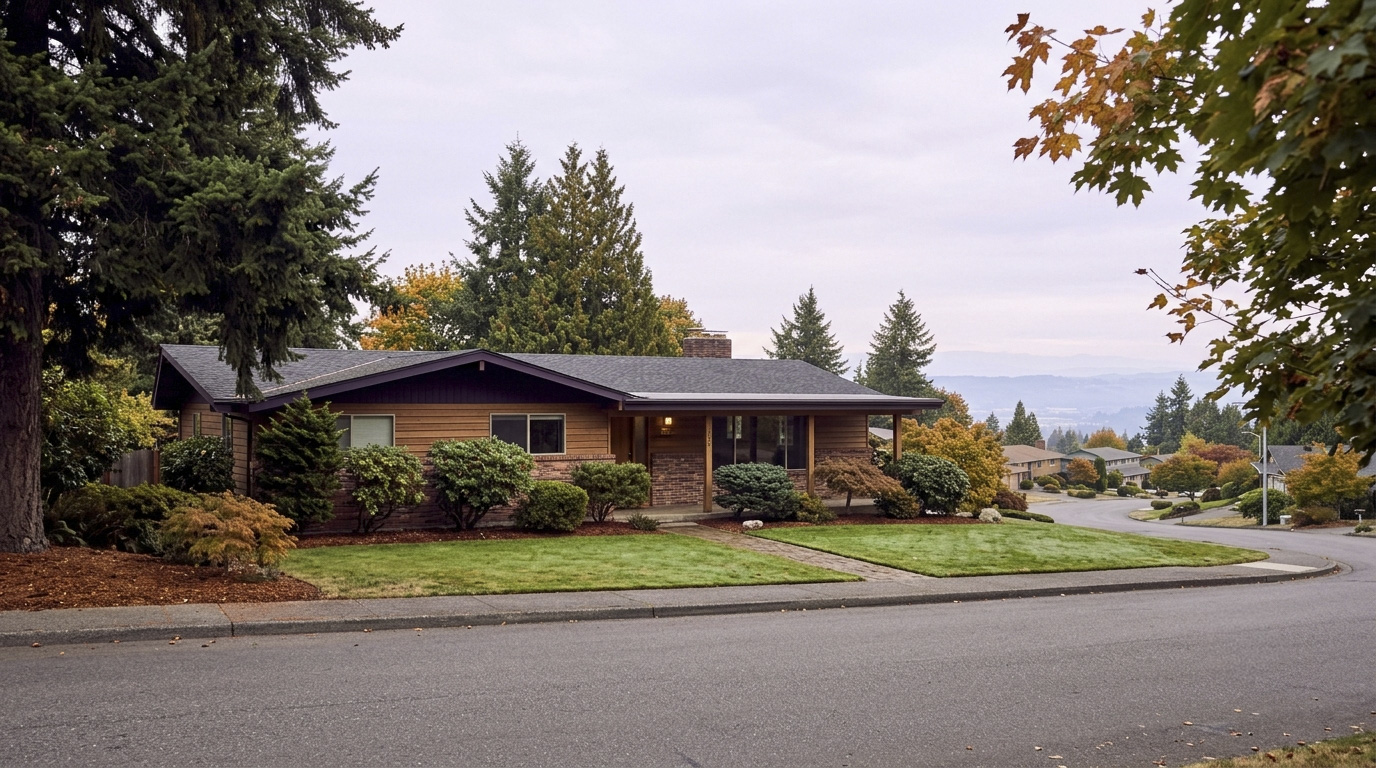
King County CitiesSouth King County June 5, 2026

Living in Renton WA | 2026 Real Estate & Neighborhood Guide

Living in Renton, WA: Your 2026 Guide to Real Estate, Neighborhoods & Life in the Boeing-Amazon Corridor

Why Renton Stands Out in 2026

King County’s median home price sits at about $859,000 as of May 2026. Renton’s median runs closer to $650,000. That is a real gap. You get location without the Bellevue price tag, and right now inventory across King County is up about 30% from last year. Buyers in Renton have more homes to look at, more time to think, and more room to negotiate. Most people buying here are working professionals, Boeing and Amazon employees, and families who want good schools without paying for a Bellevue zip code.

Renton has a feel that is hard to find anywhere else in King County. Lake Washington sits to the northwest. The Cedar River runs through downtown. On a clear day, Mount Rainier frames itself perfectly from the Highlands. The 405 runs right through the city, so Bellevue is 15 minutes away on a good morning. Boeing’s Renton Factory, where 737s roll off the line, sits along the lake and is part of the city’s identity. So are the trail systems along the Cedar River, and a downtown that has been quietly improving for the past decade. This is a working city that has grown into something genuinely livable.

Quiet residential street in Renton WA with mature trees and craftsman homes, King County Washington
A quiet residential street in Renton, Washington, lined with mature Pacific Northwest trees and well-maintained homes.

Commute Times from Renton

Renton’s transit picture improved significantly when the Stride S2 Bus Rapid Transit line launched service along the 405 corridor. The S2 connects Renton to Bellevue and Lynnwood with a stop at South Renton Transit Center. For Link Light Rail, the Rainier Beach Station on Line 1 is about 10 minutes north and gives you a car-free connection to downtown Seattle and Sea-Tac. Most Renton residents still drive to work, but the options are better now than they have ever been.

Destination Distance 2026 Peak Commute (AM Drive) Transit Option
Downtown Seattle 12 miles 25 to 45 min I-405 N to I-5 N / Drive
Amazon (South Lake Union) 14 miles 30 to 50 min I-405 N + I-5 N / Drive
Microsoft (Redmond) 18 miles 30 to 50 min I-405 N / Stride S2 + Transfer
Bellevue Tech Corridor 10 miles 15 to 30 min I-405 N / Stride S2
SeaTac Airport 9 miles 15 to 25 min I-405 S to SR-167 / Link Light Rail via Rainier Beach

Drive times reflect typical AM peak conditions. Transit times include walk and wait. Always check Google Maps before your first commute day.

Cedar River Trail path through Renton WA with Douglas fir forest canopy, King County Washington
The Cedar River Trail connects Renton’s neighborhoods from downtown through Douglas fir forest all the way to Maple Valley.

Neighborhoods in Renton: A Quick Look

Renton is a big city with a lot of distinct neighborhoods. Each one has its own price range, vibe, and school profile. Below is a quick overview of the 9 neighborhoods covered in this guide. Each summary links to a full deep-dive post.

Kennydale

Kennydale sits on a hillside above Lake Washington in north Renton and is one of the most sought-after areas in the city. Homes range from 1960s ramblers to newer two-story builds, typically 1,500 to 2,800 sq ft on lots between 6,000 and 10,000 sq ft. Many homes have territorial views of the lake and the Seattle skyline. Kennydale feeds into Renton School District, with Kennydale Elementary carrying a strong reputation for parent involvement. The neighborhood borders Gene Coulon Park, giving residents easy access to Lake Washington shoreline, swimming, and boat launches. It tends to hold value well because of the views and the lake access.

Read our full deep-dive on Kennydale →

Renton Highlands

The Highlands is one of Renton’s largest and most diverse neighborhoods, sitting on a plateau east of downtown with wide Cascade views on clear days. Housing ranges from 1950s and 1960s ranchers to newer infill construction, typically 1,100 to 2,200 sq ft on mid-size lots. This is a working-class neighborhood with strong community roots and a mix of longtime owners and newer arrivals drawn by relative affordability. Renton School District serves the area with Highlands Elementary as the core school. The neighborhood has a community center, parks, and easy access to I-405. For buyers who want space and value over prestige, the Highlands delivers both.

Read our full deep-dive on Renton Highlands →

Talbot Hill

Talbot Hill rises just south of downtown Renton and offers some of the best views in the city: Rainier, the valley, and on clear days the Olympic Mountains. This is a quiet, established neighborhood with mostly single-family homes from the 1960s through 1990s, typically 1,400 to 2,400 sq ft on generous lots. Many properties have been updated over the years, making this a solid spot for buyers who want character homes with equity upside. Renton School District serves the area with Talbot Hill Elementary as the neighborhood anchor. Talbot Ridge Natural Area gives hikers a wooded escape right in the neighborhood. Prices here often come in under Kennydale while delivering comparable city views.

Read our full deep-dive on Talbot Hill →

East Renton

East Renton is a transitional neighborhood, part suburb and part semi-rural, sitting on the eastern edge of the city and bordering unincorporated King County and Maple Valley territory. Homes here are often larger and on bigger lots, think 1,600 to 3,000 sq ft on parcels ranging from 8,000 sq ft to a quarter-acre. Many properties were built in the 1980s and 1990s. Buyers get more land for the money here than almost anywhere else in Renton proper. Issaquah School District serves portions of East Renton, which is a major draw for families. Maple Valley Highway connects residents south to Maple Valley and north to Renton’s urban core.

Read our full deep-dive on East Renton →

Benson Hill

Benson Hill was unincorporated King County until Renton annexed it in 2008. That history shows in the housing stock: larger lots, more variety in home styles, and a quieter feel compared to the urban core. Homes typically run 1,400 to 2,600 sq ft on lots up to a third of an acre, with a strong sense of community and a diverse mix of residents. Kent School District serves the southern part of Benson Hill and Renton School District covers the northern section, so school assignment depends on your exact address. Soos Creek Trail is nearby, offering miles of paved trail for cycling and walking.

Read our full deep-dive on Benson Hill →

Cascade

The Cascade neighborhood wraps around the south and east slopes of Renton’s central plateau. It’s a mid-density residential area with a solid mix of 1960s to 1980s single-family homes and some attached housing, typically 1,100 to 1,900 sq ft on standard city lots. Cascade feeds into Renton School District and has good access to SR-169 and I-405. The Cedar River Trail runs near the neighborhood’s western edge, making it easy to walk or bike to downtown. Cascade tends to attract first-time buyers and investors because prices remain below Kennydale and Talbot Hill.

Read our full deep-dive on Cascade →

Fairwood

Fairwood is a planned community in the southeastern corner of Renton, developed primarily in the 1970s and 1980s with curving streets, mature trees, and a strong homeowners association presence. Homes typically run 1,500 to 2,800 sq ft on well-maintained lots, with a classic suburban feel: safe, green, and consistent. Kent School District serves most of Fairwood, with Fairwood Elementary and Lindbergh High School as the primary assignments. The Fairwood Golf Course sits in the heart of the community and gives the area an open, park-like feel. Fairwood consistently attracts families looking for a classic suburban experience at a price below Sammamish or Covington.

Read our full deep-dive on Fairwood →

May Valley

May Valley is the quiet edge of Renton, sitting in the valley between Renton and Issaquah and bordered by Cougar Mountain Regional Wildland Park to the south. This is where Renton gets genuinely semi-rural. Homes are often on larger parcels, a quarter acre up to multiple acres, with privacy, trees, and room to breathe. Architectural styles range from 1970s split-levels to newer custom builds, typically 1,600 to 3,500 sq ft. Issaquah School District serves the eastern portion, which is a major pull for families. If you hike, mountain bike, or just want quiet mornings with a longer commute, May Valley is worth every minute of the drive.

Read our full deep-dive on May Valley →

Downtown Renton

Downtown Renton sits along the Cedar River and has been through a real transformation over the past 10 years. New apartments, local restaurants, farmers markets, and the renovated Piazza Park have helped shake the old industrial image. The housing stock is a mix of older single-family homes, mid-century apartments, and newer multi-family buildings. This area is best for buyers who want walkability and proximity to amenities without needing a big yard. Renton School District serves downtown with Renton High School as the main high school. The Cedar River Trail is a five-minute walk from most of downtown, connecting all the way to Maple Valley. For urban buyers who want Seattle-adjacent living without Seattle prices, downtown Renton is a real option.

Read our full deep-dive on Downtown Renton →

Aerial view of Renton WA residential neighborhoods with mixed tree canopy and rooftops, King County Washington
Renton’s residential neighborhoods from above, showing the mix of home eras and tree canopy that defines the city’s look.

Market Dynamics & Investment Value in Renton

The inventory surge across King County right now is real and it is working in buyers’ favor. As of May 2026, there are roughly 30% more active listings than there were a year ago. Less competition on individual homes. You are less likely to end up in a 10-offer bidding war. Sellers who priced aggressively are having to reduce or negotiate. If you have been on the sidelines waiting for the market to cool, this year is closer to that window than anything we have seen since 2019.

Renton’s prices have held up better than some other King County cities. The median sits around $650,000 as of May 2026, down slightly from the 2022 peak but mostly stable over the last 18 months. Kennydale and Talbot Hill, with their lake views and established character, have held value the best. Benson Hill and Fairwood have been more sensitive to interest rate changes because they serve more first-time buyers whose purchasing power moves with rates.

The homes that hold value best in Renton share a few traits: good school district assignments, usable lots, and some combination of views, trail access, or lake proximity. Properties built after 1990 or meaningfully updated also move faster. Older homes in the Highlands or Cascade on flat lots with no distinguishing features tend to sit longer in a balanced market like this one.

One honest caution: parts of Renton, particularly near the Cedar River and the lower valley areas, sit in FEMA-designated flood zones. If a home looks unusually affordable, check the FEMA Flood Map before you get attached to it. Flood insurance adds to your monthly cost and can complicate future resale. I flag this regularly in my BPO work for lenders, and buyers should too.

Well-maintained Northwest contemporary home exterior in Renton WA with covered porch and mature landscaping
A well-maintained Northwest contemporary home in Renton, representing the 2000s-era construction common across the city’s established neighborhoods.

Explore Renton Yourself

The best way to understand Renton is to drive it. Start at Gene Coulon Memorial Beach Park on a Saturday morning, walk the waterfront, and watch the Boeing flight line across the lake. Then head up the hill to Kennydale and look out over Lake Washington. Come back down through downtown, walk the Cedar River Trail, and grab coffee on South 3rd Street. Two hours and you will understand why people keep choosing Renton over pricier alternatives.

View Renton on Google Maps →

Frequently Asked Questions About Living in Renton, WA

Is Renton WA a good place to live?
Yes. Renton gives you access to Lake Washington, a strong job corridor, and a range of neighborhoods from walkable urban to semi-rural, all at a median home price well below Bellevue or Seattle. The city has real infrastructure, improving transit, and solid schools in several areas. Traffic on I-405 can be brutal and some neighborhoods are still working through older housing stock. But for the price point, it is hard to beat in King County.

What is the cost of living in Renton, WA?
The median home price in Renton runs around $650,000 as of May 2026, compared to King County’s overall median of about $859,000. Single-family homes in the Highlands or Cascade often start in the $550,000 to $650,000 range. Kennydale and Talbot Hill, with lake views and strong schools, trend higher. Property taxes, utilities, and everyday costs are comparable to the rest of King County.

What neighborhoods are in Renton, WA?
Renton has 9 distinct neighborhoods covered in this guide: Kennydale, Renton Highlands, Talbot Hill, East Renton, Benson Hill, Cascade, Fairwood, May Valley, and Downtown Renton. Each has its own price range, school district assignment, and character. The deep-dive links in each neighborhood card above will give you the full picture on any one of them.

How far is Renton from Seattle?
Renton is about 12 miles south of downtown Seattle. In typical AM peak traffic on I-405 to I-5, the drive runs 25 to 45 minutes depending on your specific origin and destination. The Stride S2 BRT and connecting Link Light Rail via Rainier Beach give you a transit option, though most Renton commuters to Seattle still drive.

Your guide to life outside Seattle.

Gregory Dorrell | Coldwell Banker Bain | WA License #111862
253-350-0045  ·
greg@livingoutsideseattle.com  ·
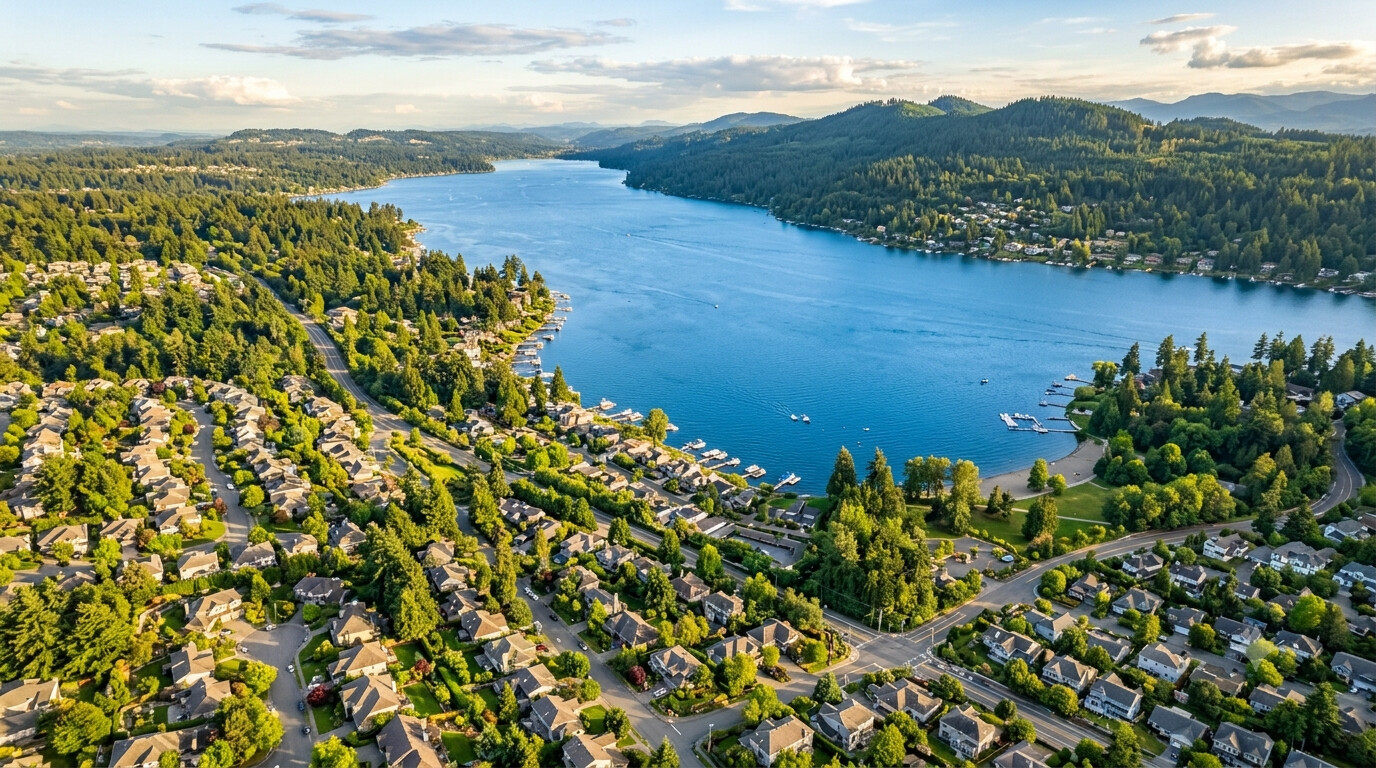
www.livingoutsideseattle.com