Living in Olde Town Issaquah: What You Need to Know in 2026
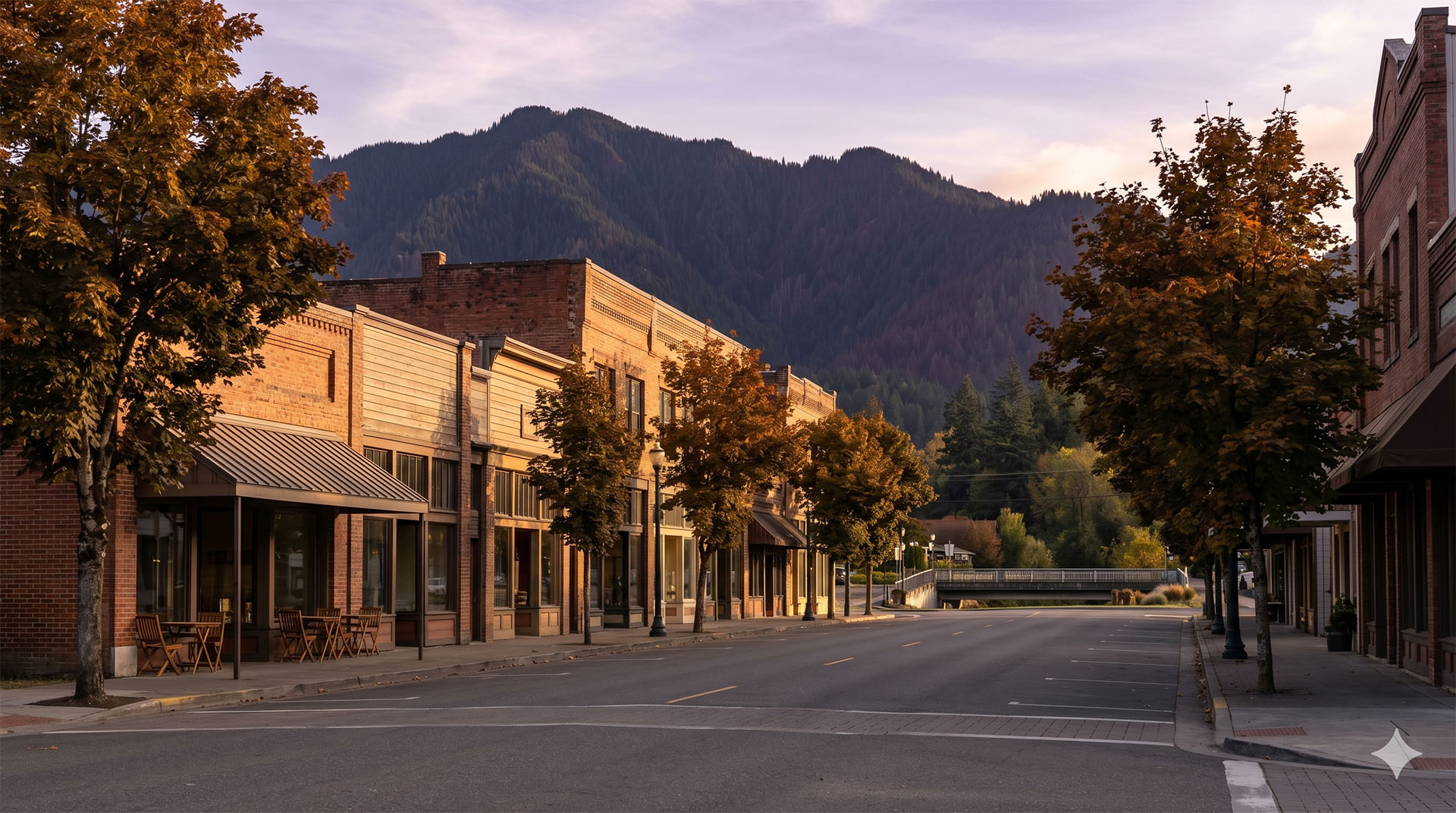
Olde Town is the historic heart of Issaquah, the part of the city that existed long before the Highlands and the master-planned communities up the hill. In 2026, with buyers looking for character, walkability, and a neighborhood that feels like a real place instead of a development, Olde Town is having a moment. If you want a home you can walk out of and grab coffee, see live salmon in the creek, and end your evening on a brewery patio, this is the part of Issaquah that delivers.
What is it actually like to live in Olde Town in 2026?
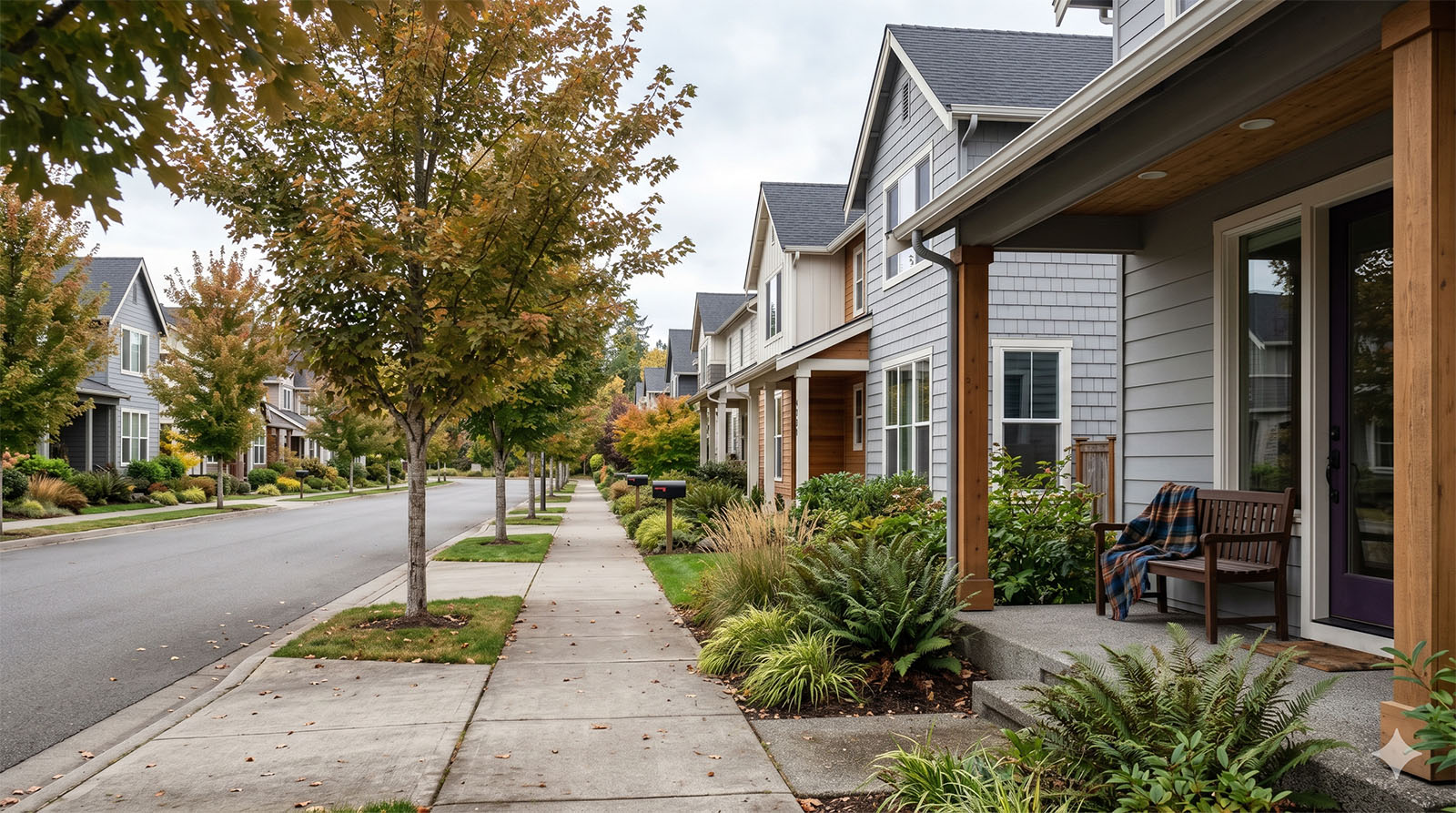
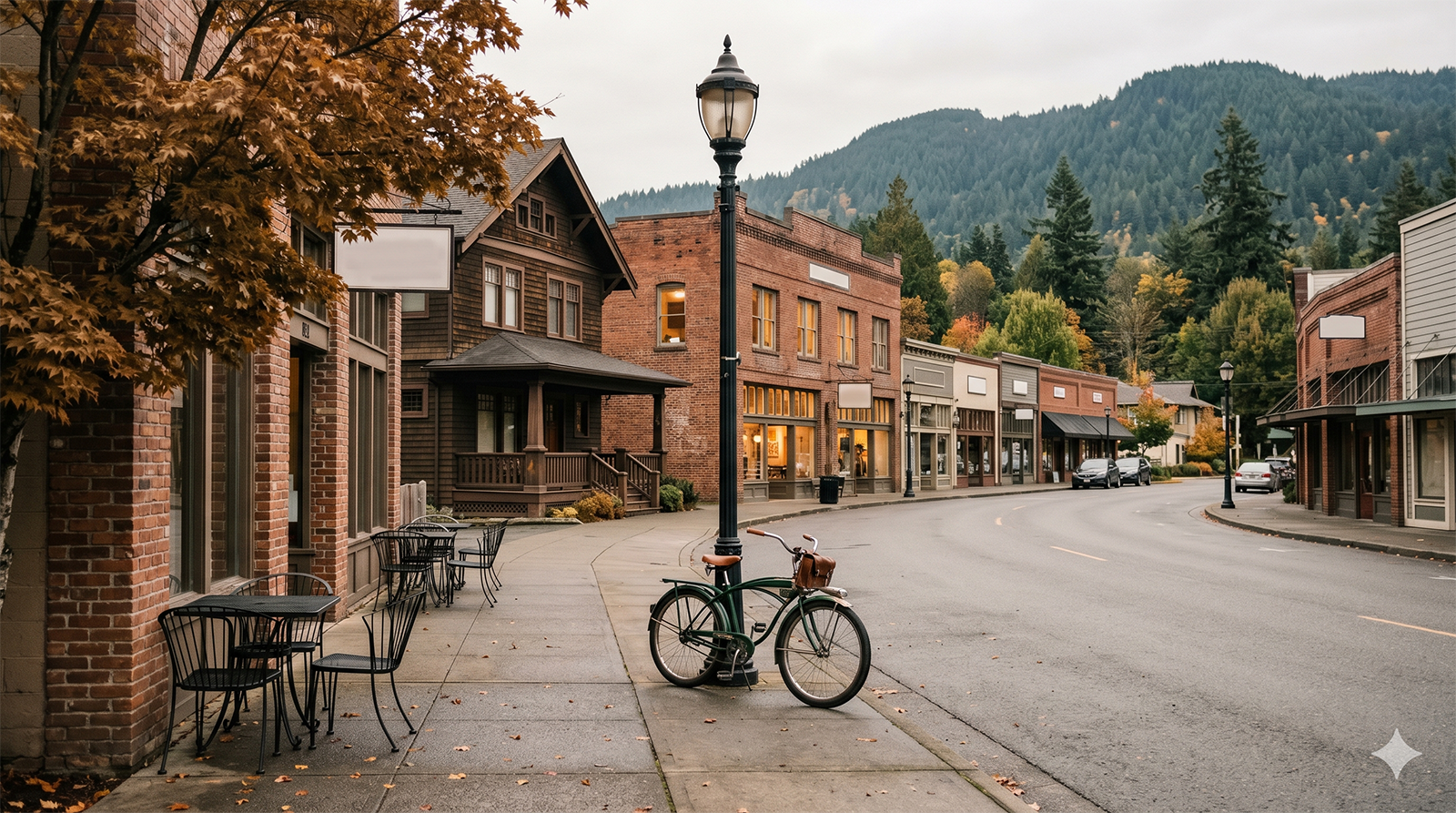
On a weekday morning, Olde Town feels like a small town that decided to keep being a small town. People walk to coffee at Issaquah Coffee Company. Kids bike to Issaquah Valley Elementary. Commuters head a few blocks over to Front Street to catch the express bus into Seattle. The streets are narrow and lined with mature trees, and a lot of homes still have their original front porches.
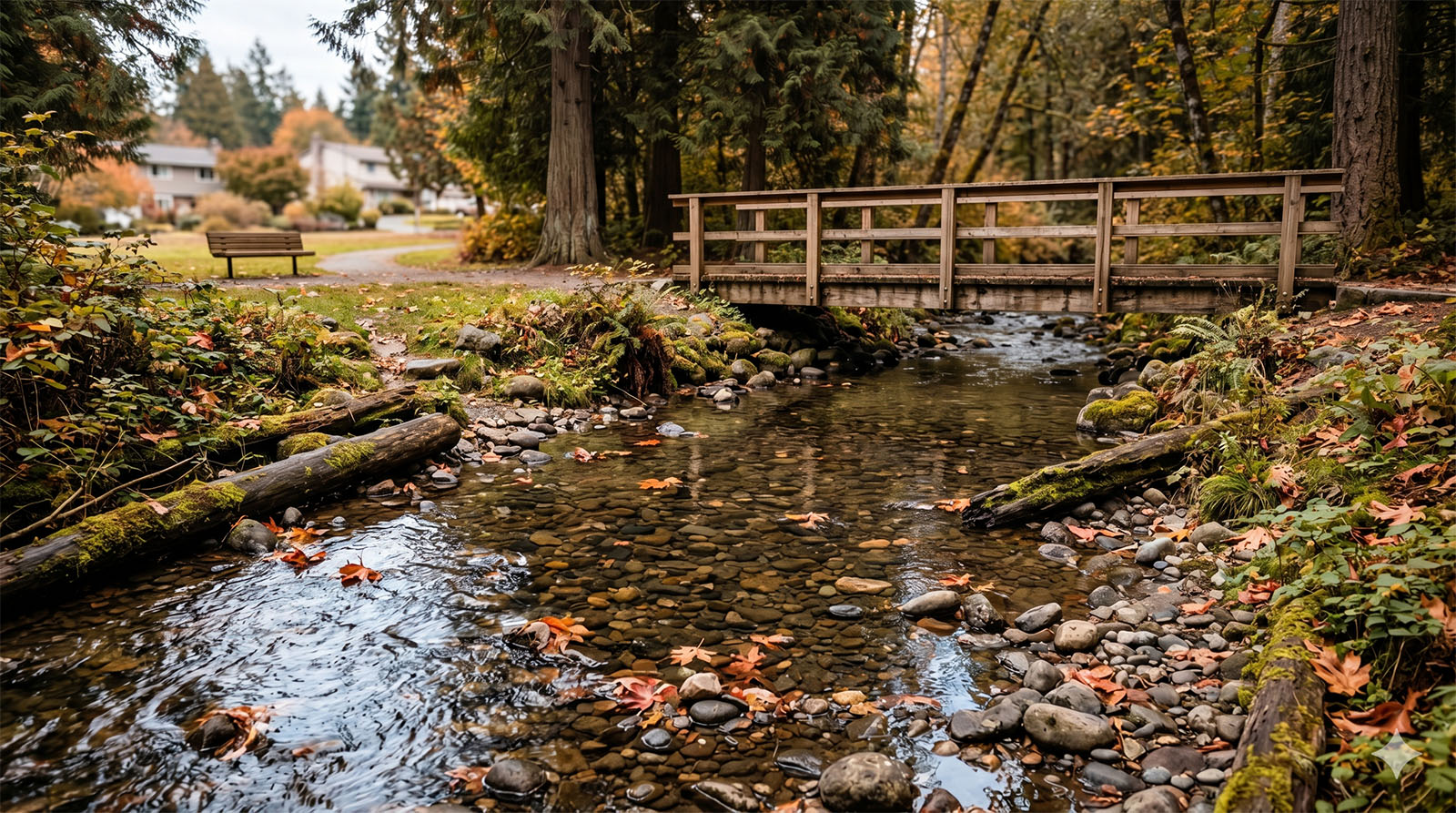
On a weekend, the neighborhood comes alive. Front Street fills with people moving between the bakery, the brewery, the bookstore, and the small boutique shops. The Issaquah Salmon Hatchery is busy every fall when the chinook return up the creek. The Saturday farmers market sets up at Pickering Barn just north of downtown. In October, Salmon Days takes over the entire neighborhood and pulls in people from across the Eastside.
Most residents here are a mix. You have long-time Issaquah families who bought decades ago and stayed. You have younger buyers who wanted character and walkability over square footage. You have a growing share of empty nesters downsizing from larger Eastside homes. What separates Olde Town from Issaquah Highlands is simple: this neighborhood was not designed in one sweep. It grew over a hundred years, one block at a time. That gives it a kind of character no master-planned community can copy, but it also means lot sizes, home conditions, and street layouts vary widely from block to block.
Homes in Olde Town: What the Data Shows
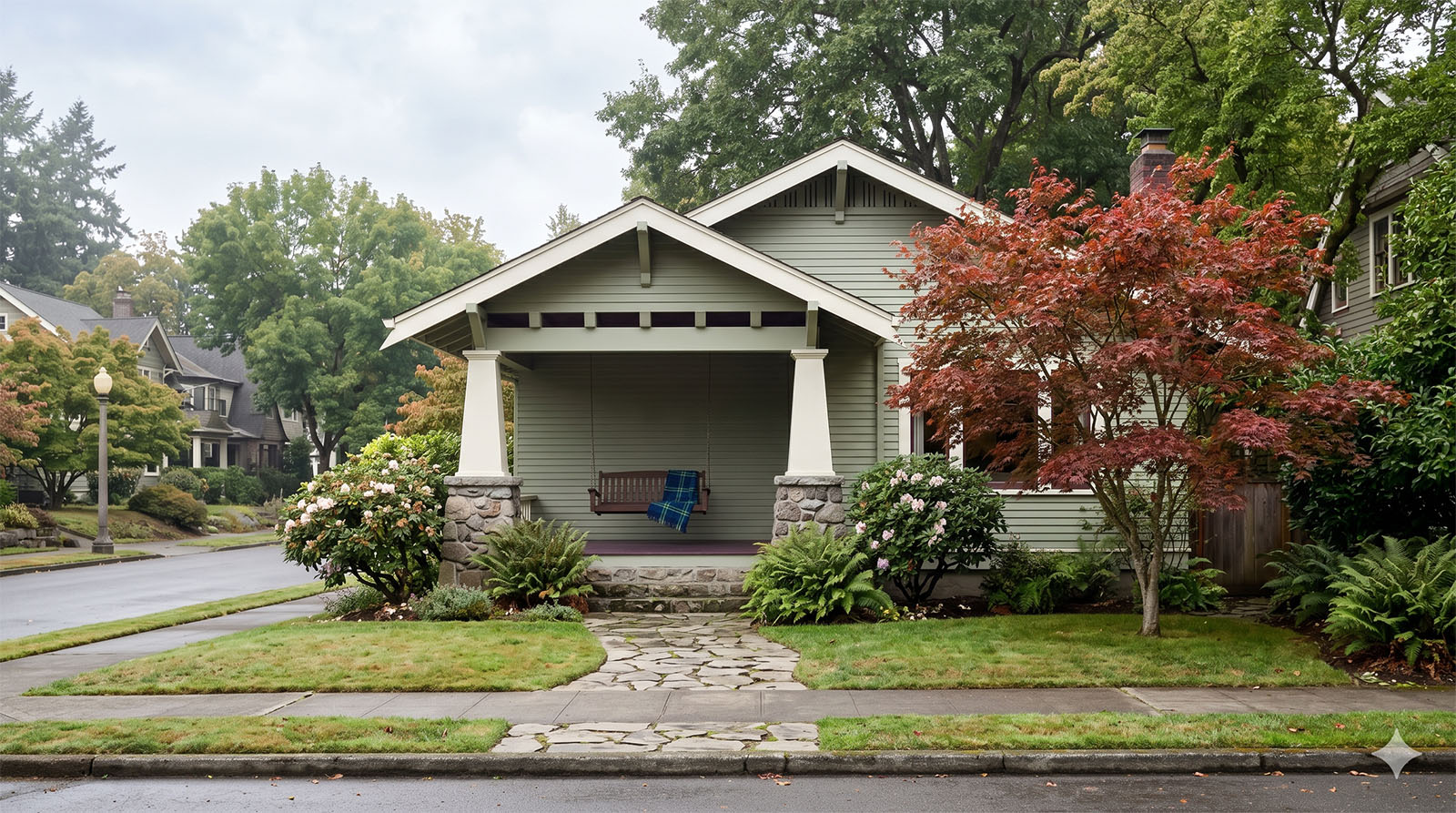
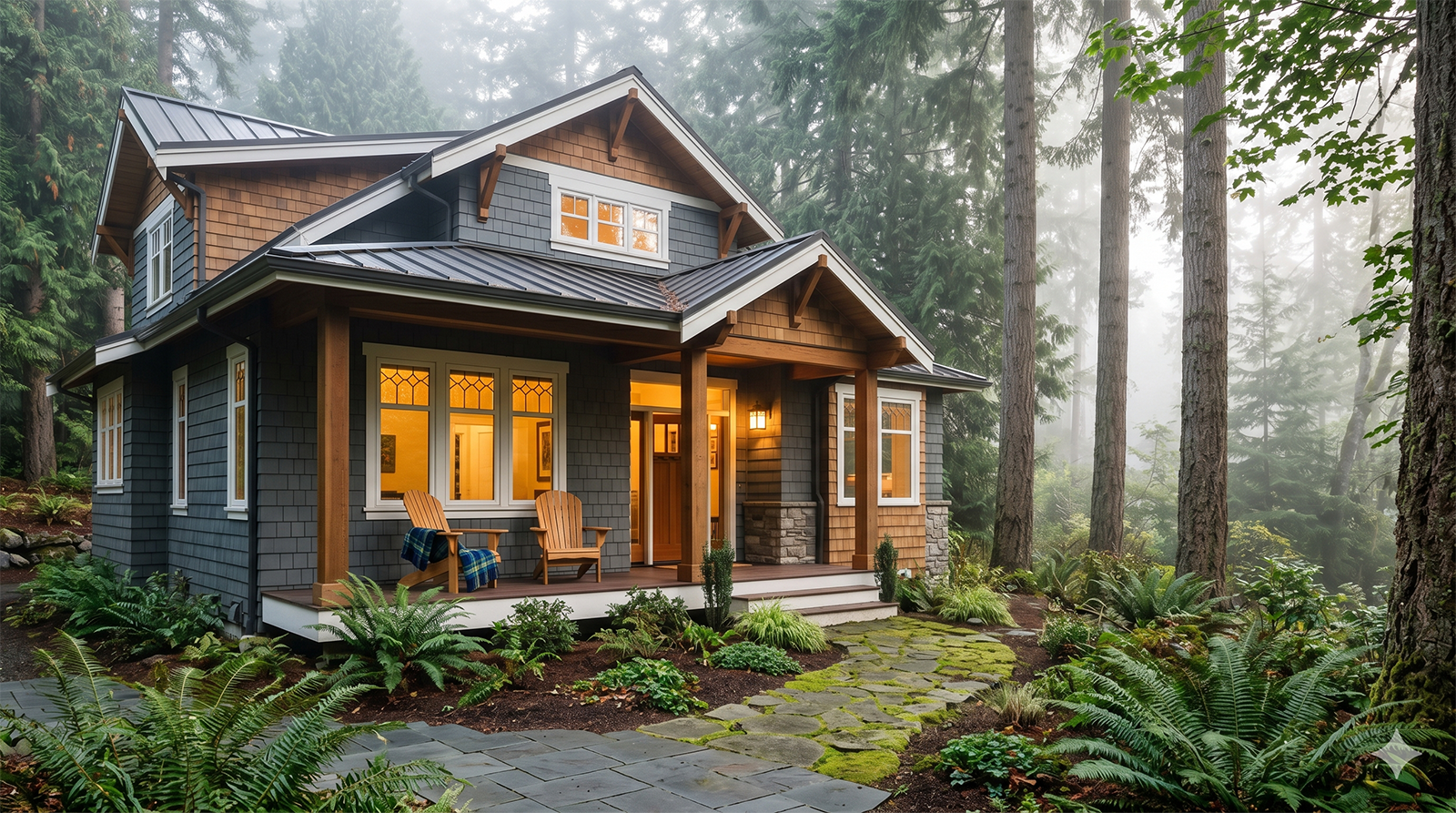
Olde Town housing is a real mix. You will find early-1900s craftsman bungalows with original woodwork, mid-century cottages from the 1940s and 1950s, post-war ramblers, and newer infill builds where someone tore down an old structure and put up something modern. Single-family homes typically run 1,200 to 2,400 square feet on lots between 4,000 and 8,000 square feet, with a handful of larger legacy properties on quarter-acre lots tucked along the side streets. The architectural mix is part of the charm. There are also condos and townhomes near Front Street for buyers who want the walkability without the maintenance of an old house.
Market Pulse
Olde Town (98027)
King County
Median Sales Price (May 2026)
~$945,000
~$859,000
Median Days on Market
~30 days
~28 days
Active Listings Change (vs. Jan 2026)
+28%
+30%
Estimates based on current NWMLS data for the 98027 ZIP code. Older homes here often need updating, which is reflected in price spread. A renovated craftsman commands a strong premium over a same-size original-condition home.
Schools Serving Olde Town
Most Olde Town kids attend Issaquah Valley Elementary, then Issaquah Middle School, then Issaquah High School. All three schools sit within walking or short-driving distance of the neighborhood, which is rare in modern subdivisions.
Issaquah Valley Elementary is one of the older buildings in the district and houses the Spanish Dual Language Immersion program, which is a real draw for families who want bilingual education. Issaquah Middle School was rebuilt and modernized in recent years and offers strong music and STEM programs. Issaquah High has a strong four-year graduation rate, multiple AP programs, and a competitive athletics presence.
The Olde Town pipeline has the advantage of being walkable, which is unusual. A kindergartener at Issaquah Valley can walk to school in many cases, then ride a bike to Issaquah Middle, then drive a few minutes to Issaquah High. That continuity is one of the quiet reasons families stay in Olde Town long-term.
Getting to Work from Olde Town
Olde Town has direct access to I-90 via the Front Street / Sunset Way interchange and the Newport Way exit a few blocks west. The Issaquah Transit Center sits inside the neighborhood, which is the only Issaquah neighborhood where you can walk to your bus stop instead of drive.
Destination
Distance
2026 Peak Drive (AM)
Transit Option
Downtown Seattle
17 miles
35 to 55 min
I-90 / ST 554 from walkable transit center
Bellevue / Amazon Bellevue
9 miles
22 to 32 min
I-90 to I-405 / ST 554
Microsoft (Redmond)
12 miles
28 to 38 min
I-90 to SR-520 / Connector Bus
SeaTac Airport
22 miles
35 to 50 min
I-405 to I-5 / Drive
What I See as a Valuation Expert in Olde Town
The biggest valuation factor in Olde Town is honestly the home itself, not the neighborhood. Two craftsman bungalows on the same block can appraise $200,000 apart based purely on the condition of the foundation, the wiring, the roof, and whether the kitchen and bathrooms have been touched in the last 15 years. When I assess homes in Olde Town for institutional lenders, I spend most of my time on the systems and the structure, not the cosmetics. An untouched 1925 craftsman with old knob-and-tube wiring and a settled foundation will appraise much lower than a same-vintage home that has been sympathetically updated.
HOAs are rare in Olde Town. Most properties are fee simple, which means no monthly dues and no master association rules to worry about. The few exceptions are the newer townhome and condo projects near Front Street. Those have HOAs in the $250 to $500 monthly range, depending on what is covered. If you are looking at one of those, always pull the resale certificate and reserve study before you write an offer.
Original-condition craftsman homes that have been well-maintained also command character premiums that newer homes simply cannot copy. Buyers who specifically value walkability and history are willing to pay 8 to 15 percent above an equivalent home in a less-walkable Issaquah neighborhood.
Explore Olde Town Yourself
The fastest way to know if Olde Town fits is to walk Front Street on a Saturday morning, then wander a few blocks east into the residential streets to see the housing variety up close.
Living in Issaquah Highlands, Issaquah: What You Need to Know in 2026
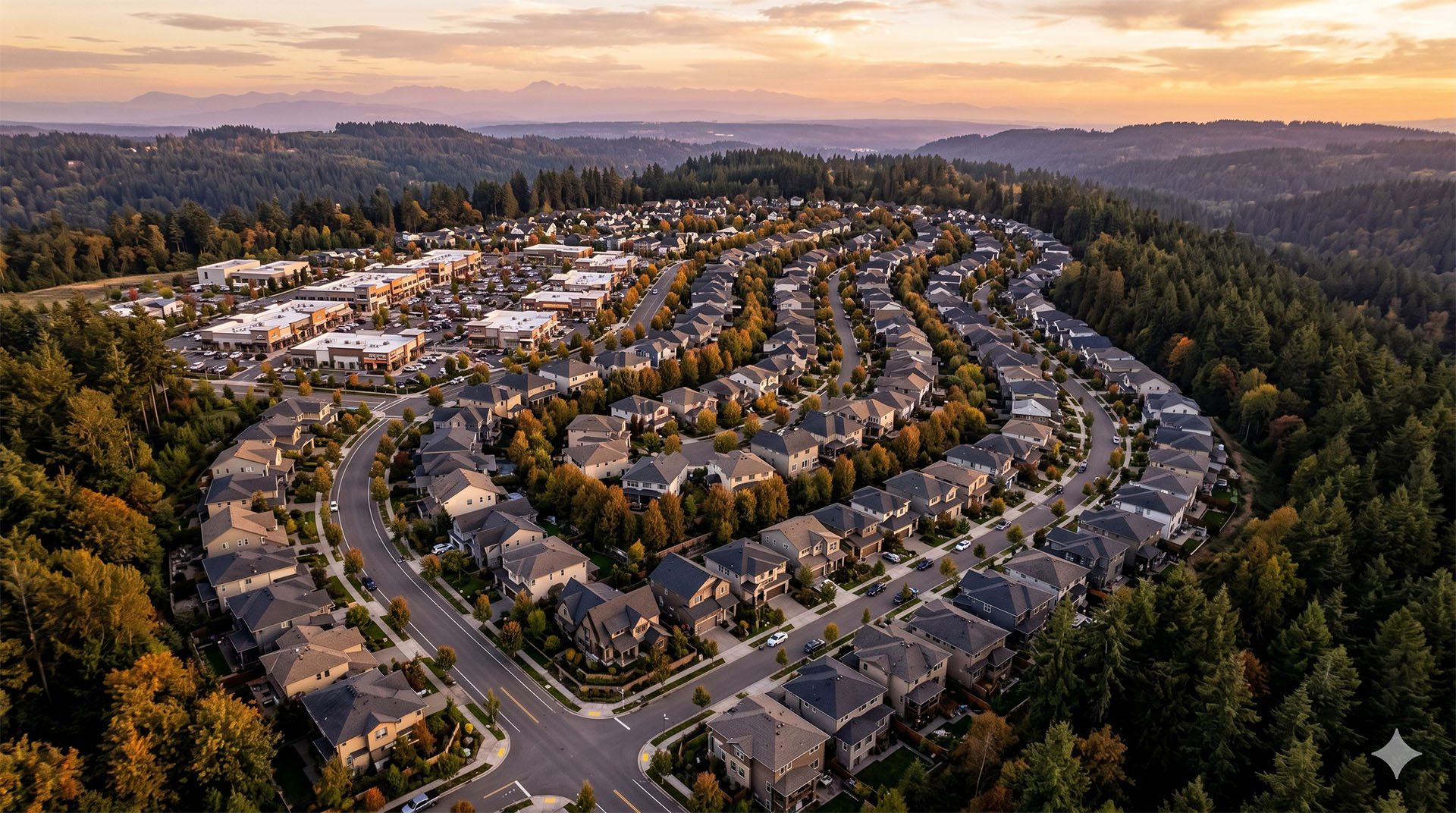
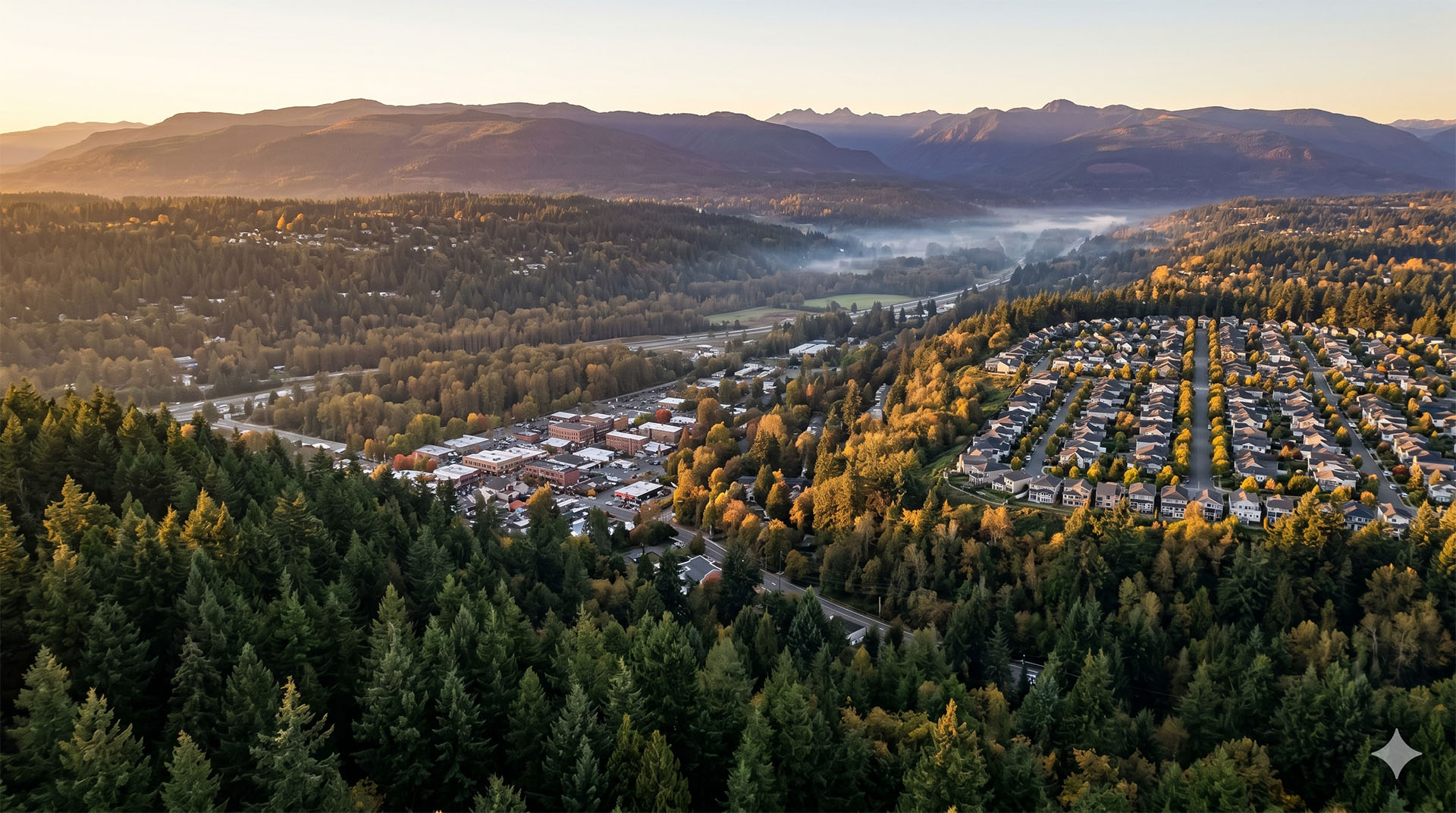
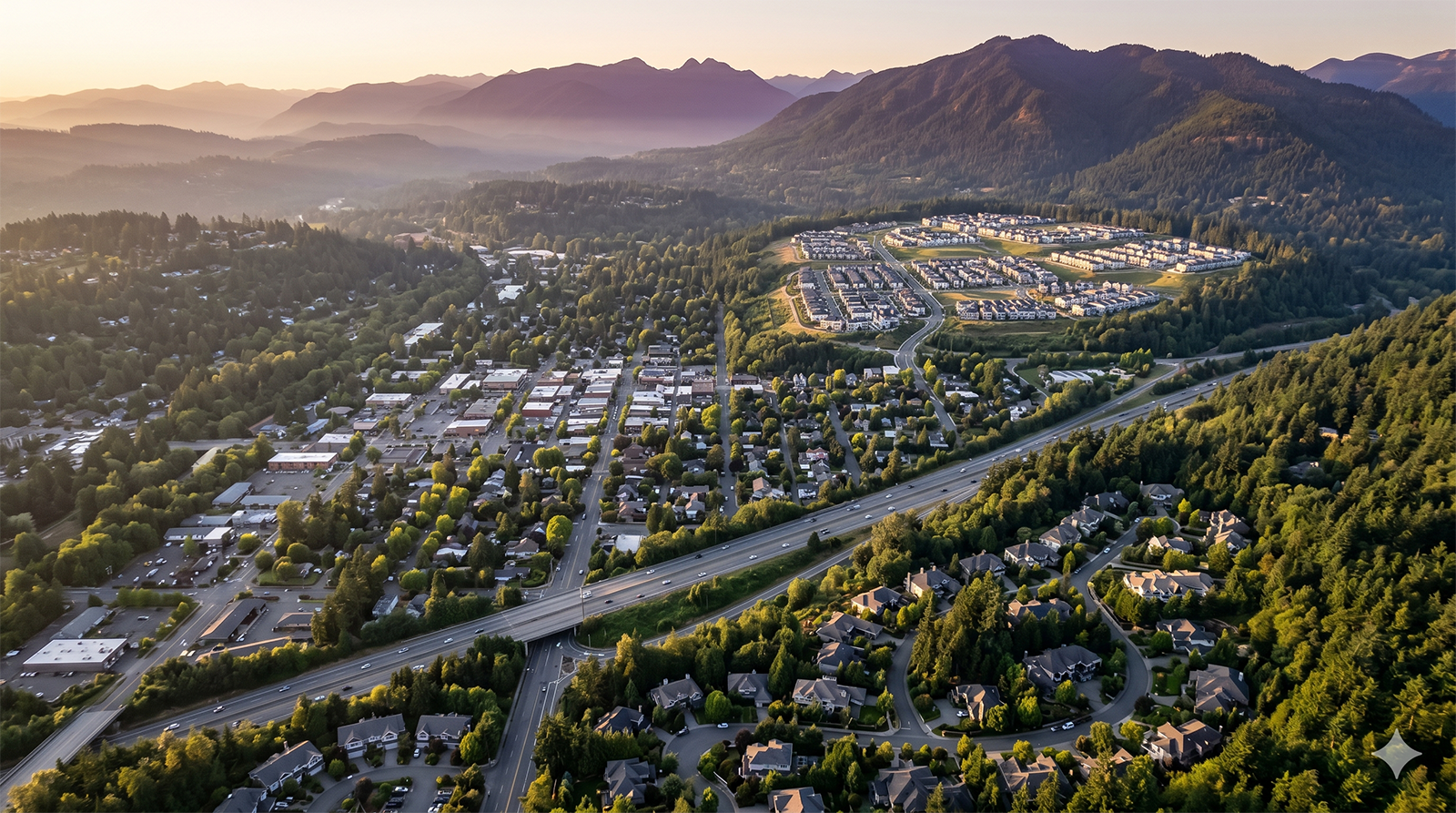
Issaquah Highlands is the plateau community that turned a King County hilltop into one of the Eastside’s most-searched ZIP codes. In 2026, with the inventory surge giving buyers more choices, this Tech-Modernist neighborhood is back in serious demand, especially for families pulled in by Issaquah and Skyline schools. If you want newer construction, walkable amenities, and a real downtown core inside your own neighborhood, the Highlands is at the top of most buyer lists.
What is it actually like to live in Issaquah Highlands in 2026?
On a weekday morning, the Highlands feels like a small modern town that someone designed on purpose, because that is exactly what happened. Parents walking kids to Grand Ridge Elementary cross paths with tech workers heading down the hill to the Park & Ride or driving toward Microsoft. The streets are wide, the sidewalks are clean, and there is actually morning foot traffic in the plaza by 7 AM.
On a weekend, the place feels different again. The Saturday farmers market runs spring through fall in the central plaza. Trail runners head into Grand Ridge from the eastern edge of the neighborhood. Families fill the playgrounds at Central Park. The Regal cinema, a handful of restaurants, and the Safeway pull steady traffic, but it never feels packed the way Bellevue Square does.
Most residents are tech families, dual-income professionals, and a growing number of move-up buyers from Bellevue and Sammamish who wanted more square footage without leaving the I-90 corridor. What separates the Highlands from older Issaquah neighborhoods is the planning. This whole community was designed in one sweep starting in the late 1990s, with a real downtown plaza, parks, schools, and trails layered in from day one. Olde Town has more character, but the Highlands has more convenience.
Homes in Issaquah Highlands: What the Data Shows
Most homes in the Highlands were built between 2000 and 2018, which means modern layouts, energy efficiency, and lower repair risk than older Issaquah housing. Single-family homes typically run 2,200 to 4,000 square feet on lots between 4,000 and 7,500 square feet, with smaller lots in the earlier-built sections and larger ones in the upper Discovery Heights and Magnolia Park areas. The architectural style is mostly Northwest Contemporary and Modern Craftsman, with wide gables, mixed siding materials, covered porches, and varied rooflines that keep the streets from feeling repetitive. Several major builders worked in the Highlands over the years, including Polygon Northwest, Conner Homes, Buchan Homes, and Toll Brothers in the higher-end pockets. There are also townhomes and condos near the plaza for buyers who want walkable urban density without giving up the school district.
Market Pulse
Issaquah Highlands (98029)
King County
Median Sales Price (May 2026)
~$1,295,000
~$859,000
Median Days on Market
~22 days
~28 days
Active Listings Change (vs. Jan 2026)
+24%
+30%
Estimates based on current NWMLS data for the 98029 ZIP code. The Highlands has held value better than the broader county average.
Schools Serving Issaquah Highlands
Most Highlands kids attend Grand Ridge Elementary, then Pacific Cascade Middle, then Issaquah High School. A few northern streets feed into Skyline High in Sammamish instead of Issaquah High, so always confirm your specific address before writing an offer.
Grand Ridge Elementary is a newer building (built within the master plan) and consistently scores in the top tier of Washington elementary schools. Pacific Cascade Middle has strong STEM and arts programs and routinely sends kids to Issaquah High prepared for AP and IB-style coursework. Issaquah High has a strong four-year graduation rate, multiple AP programs, and a competitive athletics presence.
Most parents I work with cite the Issaquah School District as the single biggest reason they targeted the Highlands in the first place. The district has held its top-tier reputation for years. The school pipeline within the Highlands is one of the most cohesive in King County, because most kids stay together from elementary through high school.
Getting to Work from Issaquah Highlands
The Highlands has two main exits onto I-90, the Highlands Drive interchange and the Sunset Way / Front Street interchange a couple of minutes south. That gives you faster freeway access than older Issaquah neighborhoods on weekday mornings.
Destination
Distance
2026 Peak Drive (AM)
Transit Option
Downtown Seattle
17 miles
35 to 55 min
I-90 / ST 554 from P&R
Bellevue / Amazon Bellevue
8 miles
20 to 30 min
I-90 to I-405 / ST 554
Microsoft (Redmond)
11 miles
25 to 35 min
I-90 to SR-520 / Connector
SeaTac Airport
22 miles
35 to 50 min
I-405 to I-5 / Drive
What I See as a Valuation Expert in Issaquah Highlands
The HOA picture in the Highlands is more complicated than most neighborhoods. The whole community is governed by a master association with separate sub-associations for individual subdivisions, so monthly dues vary widely. Most single-family homeowners pay between $90 and $180 per month, but townhome and condo owners can run $300 to $500 monthly when their HOAs cover exterior maintenance, insurance, or shared amenities. Always pull the resale certificate and the most recent reserve study before you write an offer. A weak reserve fund and a pending special assessment can change your monthly cost picture fast.
Curb appeal is a real factor here. Because the master plan required street trees and landscaping standards, mature trees and established shrubs are now hitting their best years. When I assess homes in the Highlands for institutional lenders, I weight that mature landscaping into the appraised value, especially on lots that back to greenbelt or shared open space. A 2002 build with well-kept original landscaping and a recent paint and roof refresh will appraise stronger than a similar home where the yard has been let go.
Within the Highlands, certain streets and pockets sell faster and at the top of the price range. The Discovery Heights area at the upper elevation, the streets that back directly to Grand Ridge open space, and the homes around Central Park tend to move first when they hit the market. Cul-de-sac lots with no through traffic also see premium pricing.
Explore Issaquah Highlands Yourself
The fastest way to know if Issaquah Highlands fits is to walk the central plaza on a Saturday morning, then drive the loop streets up through Discovery Heights to see the housing variety in person.
Living in Issaquah, WA: Your 2026 Real Estate & Lifestyle Guide
Why Issaquah Stands Out in 2026
King County’s median home price sits near $859,000 as of May 2026. Active listings are up about 30% from last year, which has shifted us into a more balanced market. Issaquah’s median price runs well above the county number, usually in the $1.1M to $1.3M range, depending on the neighborhood. Most buyers here are tech families, dual-income professionals, and folks coming in from Bellevue or Seattle who want trail access and top-rated schools without leaving the I-90 corridor.
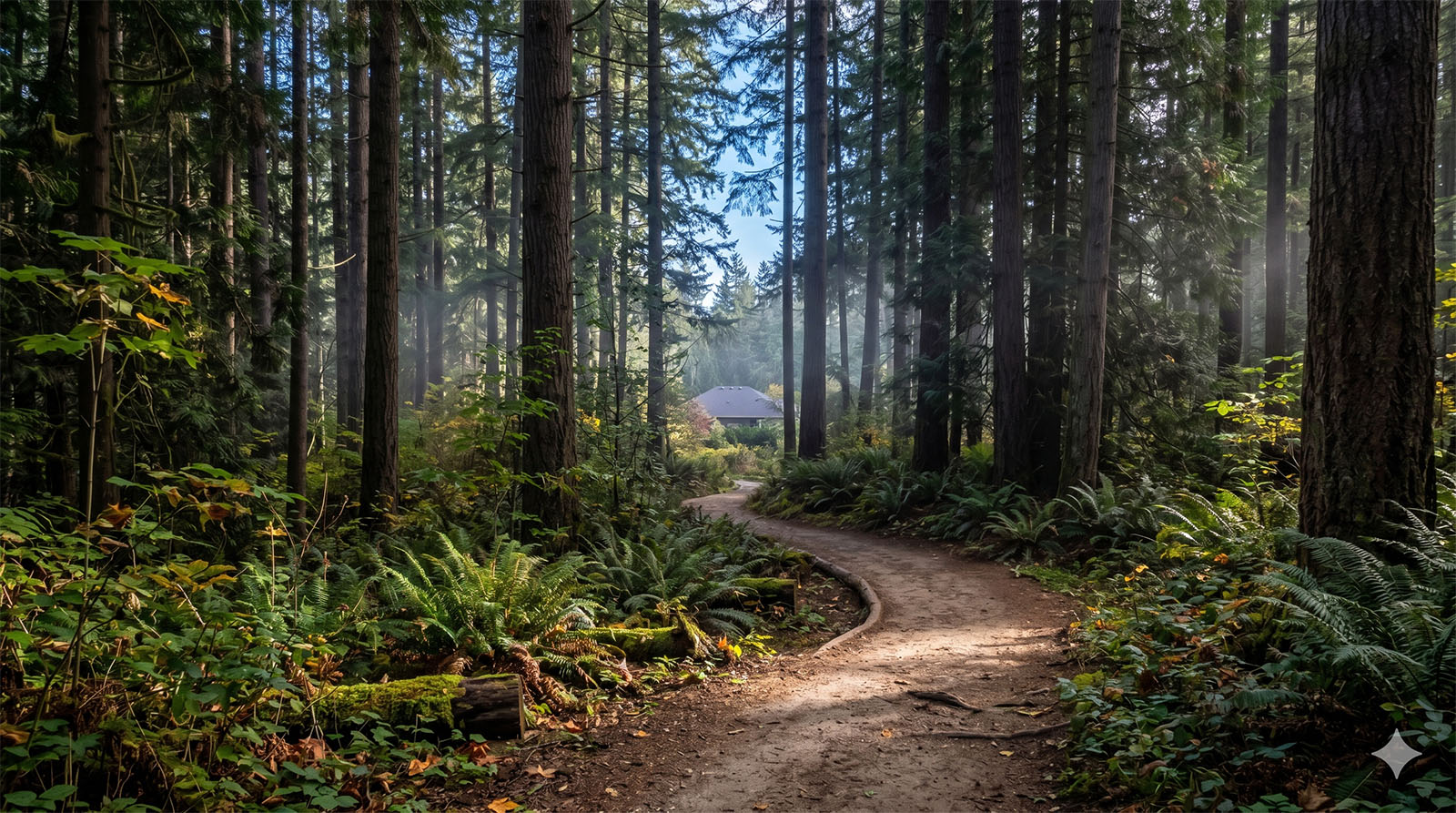
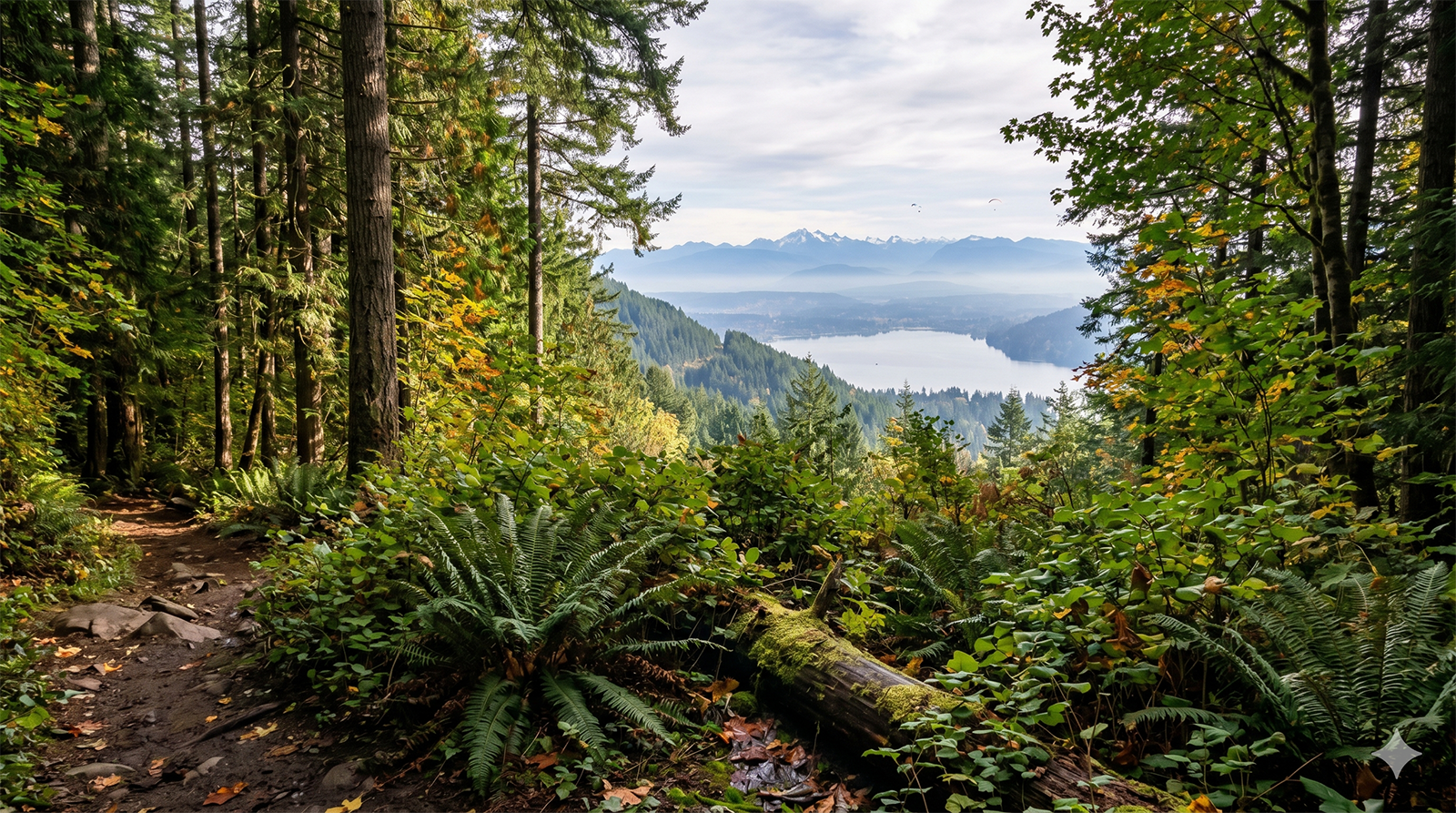
Issaquah feels like a wooded sanctuary that happens to have a Costco headquarters. You can hike Tiger Mountain in the morning, grab coffee on Front Street in Olde Town, and be at a Microsoft meeting in Redmond by 10. The “Issaquah Alps,” meaning Cougar, Squak, and Tiger Mountains, wrap around the city and shape every neighborhood. Salmon return to the hatchery downtown every fall, and the city actually throws a festival for it. That mix of outdoor character and tech-fueled growth is what makes Issaquah different from anywhere else on the Eastside.
Commute Times from Issaquah
In 2026, Issaquah is still primarily a car-and-bus city. The Sound Transit 2 Line opened to Redmond in 2024 and now runs through to Seattle, but the planned Issaquah Link extension is still in planning and is not expected for many years. The Stride S2 BRT line, which will connect Bellevue and Bothell, is also on the way and will improve I-405 transit. For now, most Issaquah residents either drive I-90 or use the Sound Transit 554 express bus from the Issaquah Highlands Park & Ride.
Destination
Distance
2026 Peak Drive (AM)
Transit Option
Downtown Seattle
17 miles
35 to 55 min
I-90 / ST 554 Express
Amazon (South Lake Union)
17 miles
40 to 55 min
Drive / Bus + Light Rail
Microsoft (Redmond)
10 miles
25 to 35 min
I-90 to SR-520 / Connector
Bellevue Tech Corridor
8 miles
20 to 30 min
I-90 to I-405 / ST 554
SeaTac Airport
22 miles
35 to 50 min
Drive / I-405
Times reflect honest peak-hour reality, not best-case scenarios. I drive these routes for inspections most weeks, so I see the traffic patterns up close.
Neighborhoods in Issaquah: A Quick Look
This is the hub page for Issaquah. Each neighborhood below has its own deep-dive post with photos, recent sales, and school details. Click through on any name to read more.
Issaquah Highlands
Issaquah Highlands sits up on the plateau north of I-90 and feels like its own small town. The vibe is family-forward and tech-heavy, with newer construction, walking trails, and a real downtown core around the Grand Ridge Plaza. Most homes were built between 2000 and 2020, so you get modern layouts and energy efficiency. Single-family homes typically run 2,200 to 4,000 square feet on lots between 4,000 and 7,500 square feet. There are also townhomes and condos for buyers who want lower maintenance. Issaquah Highlands feeds into the Issaquah School District, including the top-rated Issaquah High School and Skyline High. The neighborhood has its own farmers market, a Regal cinema, and direct access to the Grand Ridge trail system.
Olde Town is the historic heart of the city and runs along Front Street. The character is walkable, slightly funky, and full of small businesses, breweries, and the salmon hatchery. Housing here is a mix of early-1900s craftsman bungalows, mid-century cottages, and newer infill builds. Lot sizes vary widely, but you’ll see plenty of 4,000 to 8,000 square foot lots with homes between 1,200 and 2,400 square feet. This area feeds Issaquah Valley Elementary and Issaquah High. The big claim to fame is the Issaquah Salmon Days Festival every October. If you want to walk to dinner, drop off mail by foot, and live somewhere with real history, Olde Town is the answer.
Talus is a master-planned community on the south side of I-90, built into the hills below Cougar Mountain. The community has a quiet, tucked-away feel even though you’re five minutes from the freeway. Homes are mostly 2003 to 2015 construction, with sizes ranging from 1,800 to 3,500 square feet. Lot sizes are small, often 3,000 to 5,000 square feet, because the neighborhood was designed around shared open space and walking paths. Talus is part of the Issaquah School District. Most addresses feed Issaquah Valley Elementary, Issaquah Middle, and Issaquah High. Note that Cougar Mountain Middle School is physically located inside Talus but serves a different attendance zone, so always confirm your specific address before writing an offer. The community has its own pool, clubhouse, and miles of internal trail. It’s a strong fit for buyers who want newer construction without the higher density of the Highlands.
Squak Mountain refers to the residential pockets along the slopes of, you guessed it, Squak Mountain itself. The vibe here is wooded, private, and quieter than central Issaquah. Lots are larger, often a quarter acre to a full acre or more, and homes range from 1970s split-levels to custom builds over 4,000 square feet. Many properties have territorial or mountain views. Squak Mountain feeds the Issaquah School District. The big draw is the immediate trail access into Squak Mountain State Forest, which connects to Tiger Mountain. If you want trees, space, and a true Pacific Northwest setting without losing easy I-90 access, this is one of the best options in the city.
Mirrormont sits in the south end of the Issaquah area, technically in unincorporated King County but tied to Issaquah for schools and identity. The character is rural and large-lot, often described as semi-equestrian. Lots commonly run one to five acres, and homes range from 2,000 to 5,000 square feet, with everything from 1970s ramblers to newer custom builds. The neighborhood is part of the Issaquah School District. Mirrormont has its own community pool and tennis courts, plus direct access to the Tiger Mountain trail system. Buyers here want privacy, room for animals or hobbies, and a quieter pace, while still being 25 minutes from Bellevue.
Providence Point is an active adult community for residents 55 and older, located on the north end of Squak Mountain. The character is calm, manicured, and amenity-rich. Most homes are condos and townhomes built between the late 1980s and 2000s, sized from about 900 to 1,800 square feet. The community has a clubhouse, pools, walking paths, and full landscaping handled by the HOA. Providence Point sits within the Issaquah School District boundaries, but the community itself is age-restricted under federal HOPA rules. If you’re downsizing, want a low-maintenance lifestyle, and like having neighbors at a similar life stage, Providence Point is worth a serious look.
Montreux is a gated community on the east side of Issaquah, perched on the slope above I-90 with views toward Lake Sammamish. The character is upscale, private, and quiet. Homes are mostly custom builds from the late 1990s and 2000s, ranging from 3,500 to over 6,000 square feet on lots between 7,000 and 12,000 square feet. Many homes have territorial or lake views. Montreux feeds the Issaquah School District, including the top-rated Sunset Elementary and Issaquah High. Inside the gates you’ll find a clubhouse, pool, sport court, and walking paths. This is a strong fit for buyers who want a luxury setting with HOA-managed common areas.
Sycamore is one of Issaquah’s older established neighborhoods, located west of Olde Town and tucked along the lower flank of Cougar Mountain. The character is quiet, mature, and family-oriented, with a strong neighborhood feel because most residents have been there for years. Homes are mostly 1970s and 1980s construction, sized from 1,800 to 3,000 square feet on lots that run 7,000 to 10,000 square feet. The neighborhood feeds Issaquah Valley Elementary, Issaquah Middle, and Issaquah High. Tibbetts Creek and the connecting trail to Cougar Mountain Regional Wildland Park are right there. Sycamore offers good value compared to newer Issaquah neighborhoods, especially for buyers willing to update an older home.
The Newport Way corridor and the Cougar Mountain area sit on the western edge of Issaquah, climbing up toward the Bellevue line. The character mixes wooded privacy with quick freeway access. Housing varies a lot here, from 1980s contemporary builds to newer custom homes, with sizes from 2,000 to 4,500 square feet. Lots commonly run 8,000 square feet to a half acre, with many backing to greenbelt. This area is split between the Issaquah and Bellevue school districts depending on the exact street, so buyers should always confirm the school assignment before writing an offer. Cougar Mountain Regional Wildland Park is the headline amenity, with miles of trails right out the back door.
Tiger Mountain Foothills covers the southeast pockets of Issaquah where the city meets the forest. The character is rural-feeling, with larger lots, mature trees, and very little through traffic. Homes here range from 1970s and 1980s ramblers to newer 2010s and 2020s custom builds, typically 2,200 to 5,000 square feet on lots between half an acre and three acres. The Issaquah School District serves this area, with most kids going to Issaquah High. The headline amenity is direct access to West Tiger Mountain trails, including the popular Poo Poo Point hike. Buyers who want acreage and trail access without driving 45 minutes from Bellevue should put this area on the short list.
The 30% inventory surge across King County has changed the Issaquah market in real ways. A year ago, well-priced homes here saw multiple offers within the first weekend. Today, many homes sit for two to four weeks before going under contract, and price reductions are more common than they have been in several years. That gives buyers time to actually think, get a real inspection done, and negotiate on terms. For sellers, it means pricing has to be honest from day one. Aspirational pricing that worked in 2022 is not working in 2026.
Issaquah home values have held up better than many other parts of King County over the last 12 months. The combination of Issaquah School District ratings, proximity to Bellevue and Microsoft, and limited buildable land keeps demand steady. Newer construction in places like Issaquah Highlands and Talus has shown the strongest price stability, mostly because buyers are willing to pay for energy efficiency, modern layouts, and lower repair risk. Older homes on larger lots have also held value well, especially in Squak Mountain and Mirrormont, where the lot itself often carries most of the appraised value.
I bring that same lens to every Issaquah home I help a client evaluate, whether you are buying or selling.
The 12-month picture for Issaquah is steady, not flashy. Buyers who pay attention to inventory, school zones, and lot quality will find real opportunities over the next few months. Sellers who price honestly and present well will still see strong results. Anyone betting on a quick flip should look elsewhere.
Explore Issaquah Yourself
The best way to know if Issaquah fits is to come walk Front Street, drive up to the Highlands, and hike a section of the Tiger Mountain trail. Once you see how the neighborhoods connect, the rest makes sense.


 Facebook
 X
X
 Pinterest
 Copy Link