

 Facebook
 X
X
 Pinterest
 Copy Link
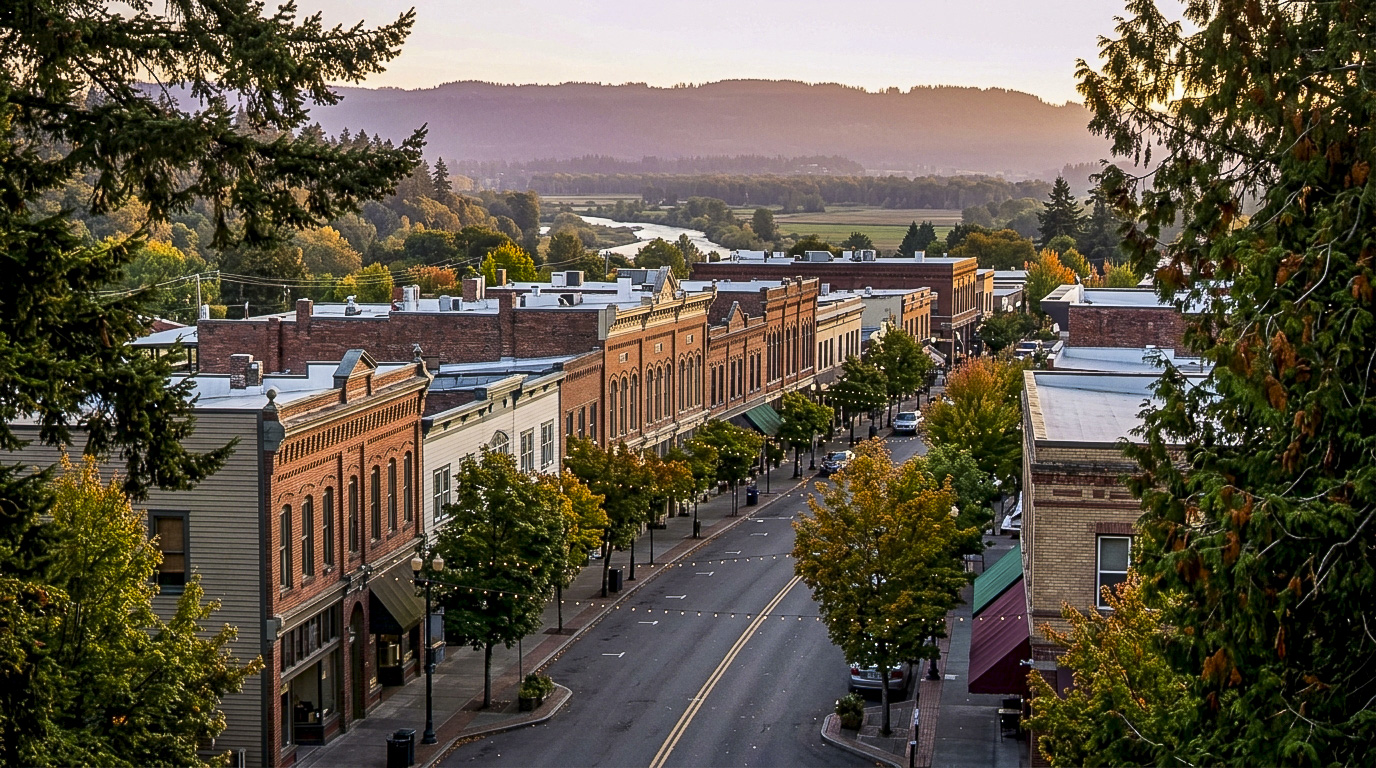
Downtown Kent and the valley floor sit at the base of the East Hill and West Hill plateaus, right along the Green River. This is the most walkable, most urban part of the city, and it is also the most affordable place to buy in 2026. It is a Walkable Urban Edge neighborhood. Older craftsman and mid-century homes sit blocks from newer condos and townhomes near the transit center, and the whole area is built around the Kent Sounder Station. If your budget is tight and you want the shortest commute into Seattle, this is where I start most first-time buyers.
What is it actually like to live in Downtown Kent in 2026?
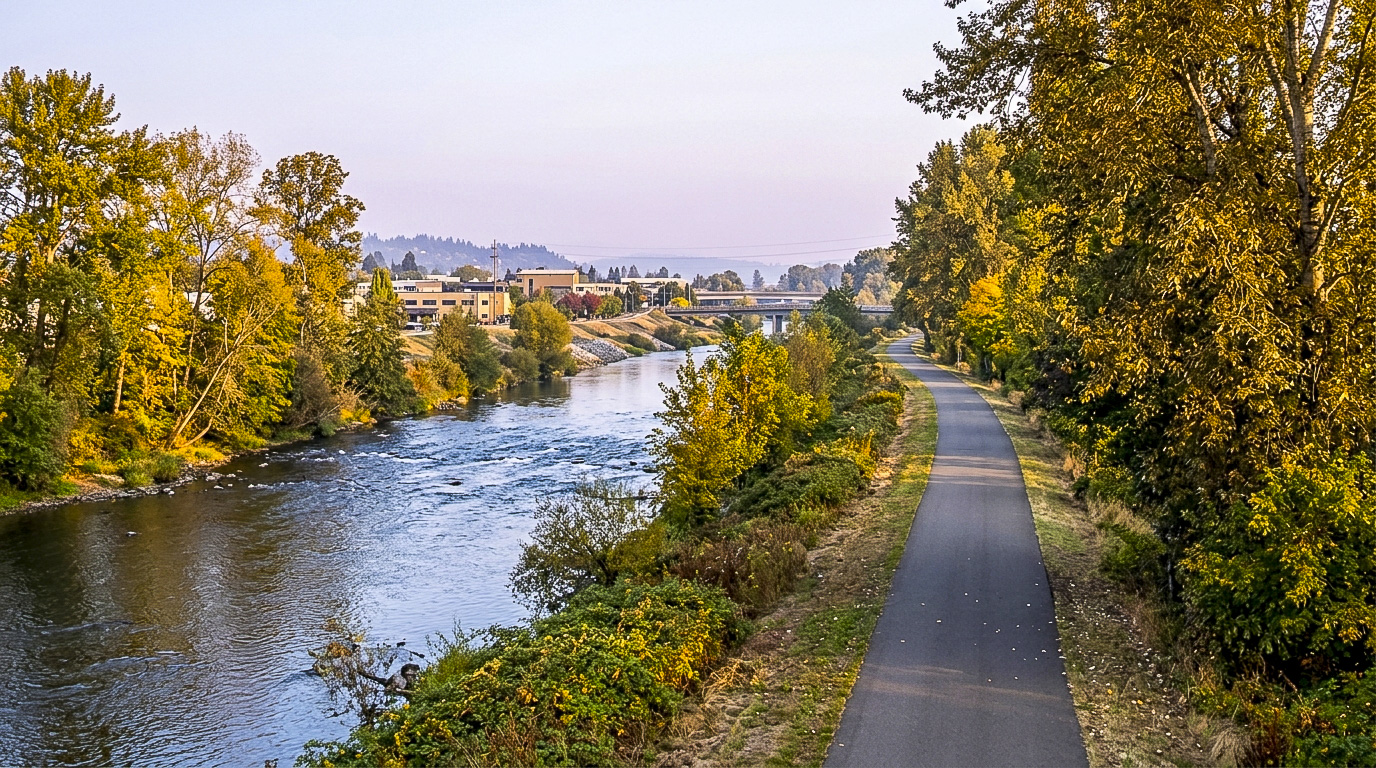
Tuesday, 7:30 AM near the Kent Sounder Station. Commuters walk in from the surrounding blocks with coffee in hand, timing their arrival to the platform down to the minute. A few cyclists roll past on their way to the Green River Trail before work. Downtown’s coffee shops are already busy, and the sidewalks here actually see foot traffic, which is rare in most of Kent. This is a neighborhood built around not needing a car for everything. Weekends shift the energy. Kent Station, the outdoor shopping and entertainment center a few blocks from the historic core, pulls in families for the movie theater and restaurants. The farmers market runs seasonally on Saturdays in the historic downtown blocks. Runners and cyclists use the Green River Trail for miles at a stretch, connecting north toward Renton and south toward Auburn. It is a livelier, more social pace than the residential plateaus above. Who lives here? A mix of first-time buyers priced out of East Hill or West Hill, renters converting to owners in the newer townhome developments near the transit center, and long-time residents in the older craftsman homes closer to the historic district. What separates downtown from the rest of Kent is density and walkability. You can live here without driving every day, which is not true anywhere else in the city.
Homes in Downtown Kent: What the Data Shows
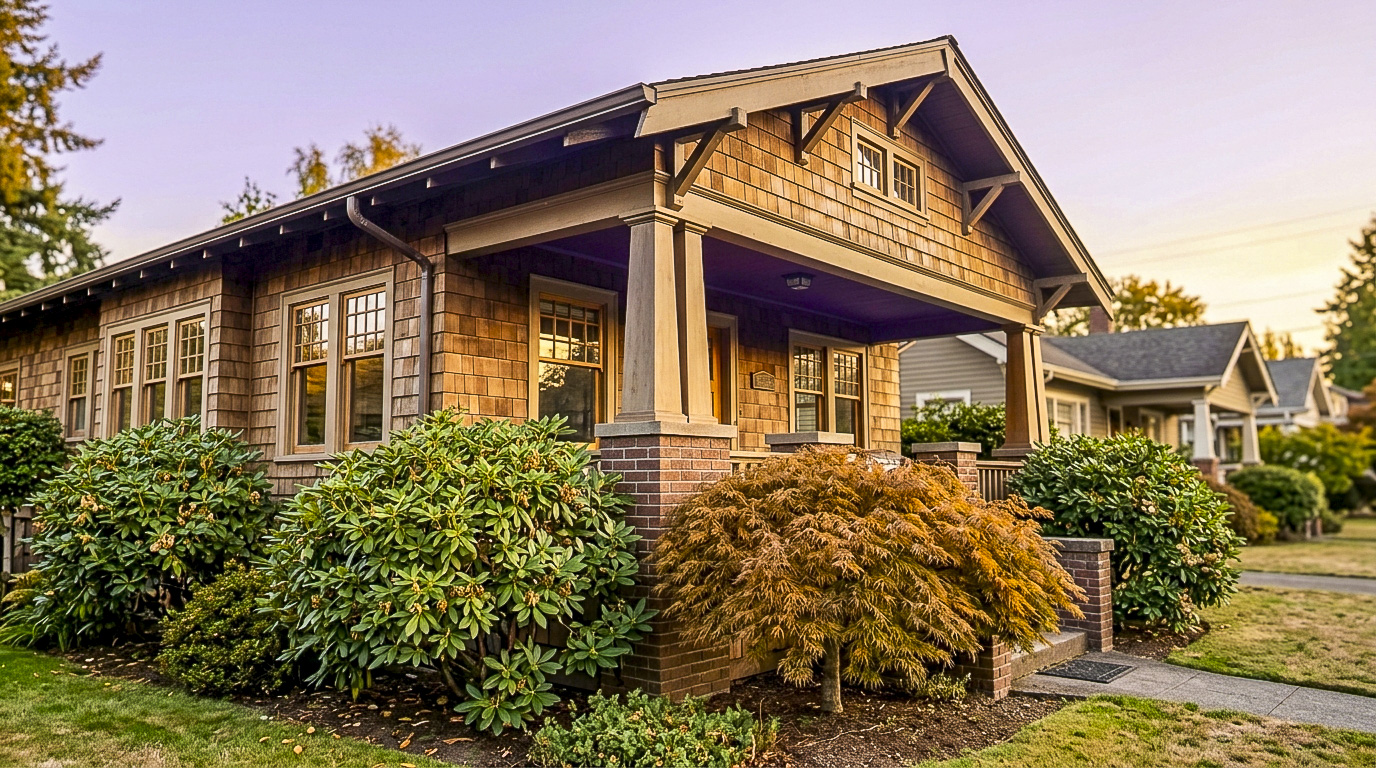
Downtown Kent has the oldest and most varied housing stock in the city. Older craftsman and mid-century homes from the 1920s through the 1960s sit closest to the historic core, typically running 1,000 to 1,800 square feet on smaller in-town lots. Closer to the transit center, newer condo and townhome developments from the 2010s and 2020s fill in the gaps, offering lower-maintenance options for buyers who want walkability without yard work. Prices here are the lowest in Kent, often the entry point for buyers who cannot compete on East Hill or Lake Meridian. It is not a polished neighborhood everywhere, but the value and the transit access are real.
| Market Pulse | Downtown Kent | King County |
|---|---|---|
| Median Sales Price (June 2026) | ~$697,000 citywide (downtown typically below) | ~$998,000 |
| Median Days on Market | ~12 days | ~10 days |
| Active Listings Change (vs. Jan 2026) | +95% | +127% |
Figures reflect Kent citywide residential data for June 2026, the most recent closed month in the NWMLS export. Downtown Kent does not get isolated in the monthly pull, and this sub-area consistently prices below the citywide median, so treat the price row as a ceiling reference, not the downtown-specific number.
Schools Serving Downtown Kent
Downtown Kent and the valley floor fall inside the Kent School District, with Kent Elementary as the primary feeder for most in-town addresses. Kent Elementary feeds into Mill Creek Middle School, which then feeds into Kent-Meridian High School. As with every part of Kent, confirm your exact address with the district before writing an offer. Boundaries near the valley floor can shift closer to the river. Kent Elementary offers a Gifted and Talented program alongside its standard track. Mill Creek Middle layers on a Project Lead The Way engineering and design curriculum for students who want hands-on STEM exposure before high school. Kent-Meridian High offers Advanced Placement coursework, International Baccalaureate options, and its own Project Lead The Way pathway, giving families a real choice in academic direction once kids reach high school. Day to day, most downtown elementary kids walk or take a short bus ride, since the neighborhood’s grid layout and sidewalks make walking more practical here than almost anywhere else in Kent. Middle and high schoolers typically bus to Mill Creek and Kent-Meridian, both a short ride from most downtown addresses.
Getting to Work from Downtown Kent
Downtown Kent has the best transit access in the city, and it is not close. Walk to the Kent Sounder Station for a direct train into Seattle, or catch a Sound Transit express bus from the same transit center. If you drive, SR-167 runs along the east edge of downtown and connects north to Renton and south to Auburn, with I-5 a short drive west.
| Destination | Distance | 2026 Drive Time (Peak AM) | Transit Option |
|---|---|---|---|
| Downtown Seattle | 23 miles | 35 to 55 min | Sounder Train (walk to station) |
| Bellevue / Amazon | 17 miles | 30 to 45 min | SR-167 to I-405 |
| Microsoft (Redmond) | 24 miles | 40 to 55 min | SR-167 to SR-520 |
| SeaTac Airport | 10 miles | 15 to 20 min | SR-167 / I-5 |
What I See as a Valuation Expert in Downtown Kent
In Downtown Kent, the foundation and the electrical panel get the closest look for valuation. A lot of downtown Kent’s housing stock predates 1960, and older knob-and-tube wiring or an outdated panel shows up often enough that I flag it on nearly every craftsman-era listing I review. Buyers who skip an electrical inspection here are taking on real risk they cannot see from the curb. Flood zone status matters more downtown than anywhere else in Kent. Parts of the valley floor near the Green River sit in FEMA-designated flood zones, and flood insurance can add real cost to a monthly payment. I check this for every downtown client before we write an offer, because it changes the true cost of ownership by a meaningful amount. Newer townhome and condo developments near the transit center generally sit outside the flood zone and carry HOA fees instead, typically $200 to $350 a month depending on amenities. The streets closest to Kent Station and the Sounder platform move fastest right now, especially updated craftsman homes and newer townhomes within a five-minute walk of the train. Buyers are paying a real premium for that walk-to-transit convenience, something that barely existed as a pricing factor five years ago.
Frequently Asked Questions: Living in Downtown Kent
Q: Is downtown Kent a good place to live? A: Yes, especially for buyers who want the lowest entry price in the city and the best transit access. Downtown Kent is the most walkable part of the city, built around the Sounder station and Kent Station shopping district. Q: What are homes like in downtown Kent? A: A mix of older craftsman and mid-century homes from the 1920s through the 1960s, typically 1,000 to 1,800 square feet, alongside newer condos and townhomes near the transit center built in the 2010s and 2020s. Q: What schools serve downtown Kent? A: Downtown Kent falls in the Kent School District. Kent Elementary feeds into Mill Creek Middle School, which feeds into Kent-Meridian High School. Always confirm your exact address with the district. Q: How far is downtown Kent from Seattle? A: Downtown Kent sits about 23 miles south of downtown Seattle. The Sounder commuter train, which you can walk to from most downtown addresses, covers that distance in roughly 35 to 55 minutes.
Explore Downtown Kent Yourself
Spend a Saturday walking downtown Kent before you decide. Grab coffee near the historic core, walk a stretch of the Green River Trail, then swing through Kent Station to see the transit access up close. The neighborhood reads completely differently on foot than it does from a listing photo. View Downtown Kent on Google Maps →
Your guide to life outside Seattle.
253-350-0045 · greg@livingoutsideseattle.com · www.livingoutsideseattle.com
