

 Facebook
 X
X
 Pinterest
 Copy Link
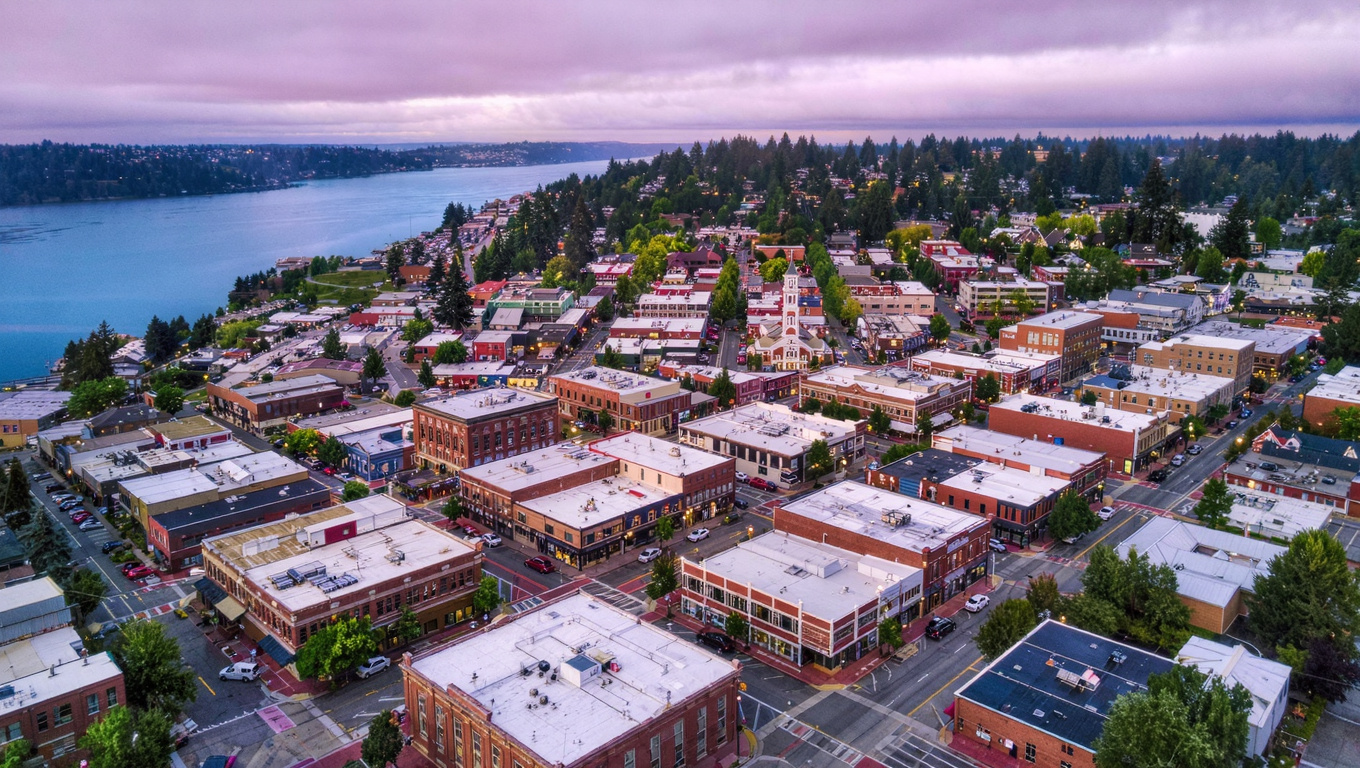
Downtown Renton has spent the last decade quietly reinventing itself. The Cedar River runs through the middle of it. Piazza Park anchors the commercial core. And a wave of new apartments and renovated storefronts along S 3rd Street has given it genuine urban energy for the first time in decades. The vibe is Walkable Urban Edge — not Seattle-dense, but walkable enough to handle daily life without a car. In 2026, it’s drawing buyers and renters who want city-style convenience at south King County prices.
What Is It Actually Like to Live in Downtown Renton in 2026?
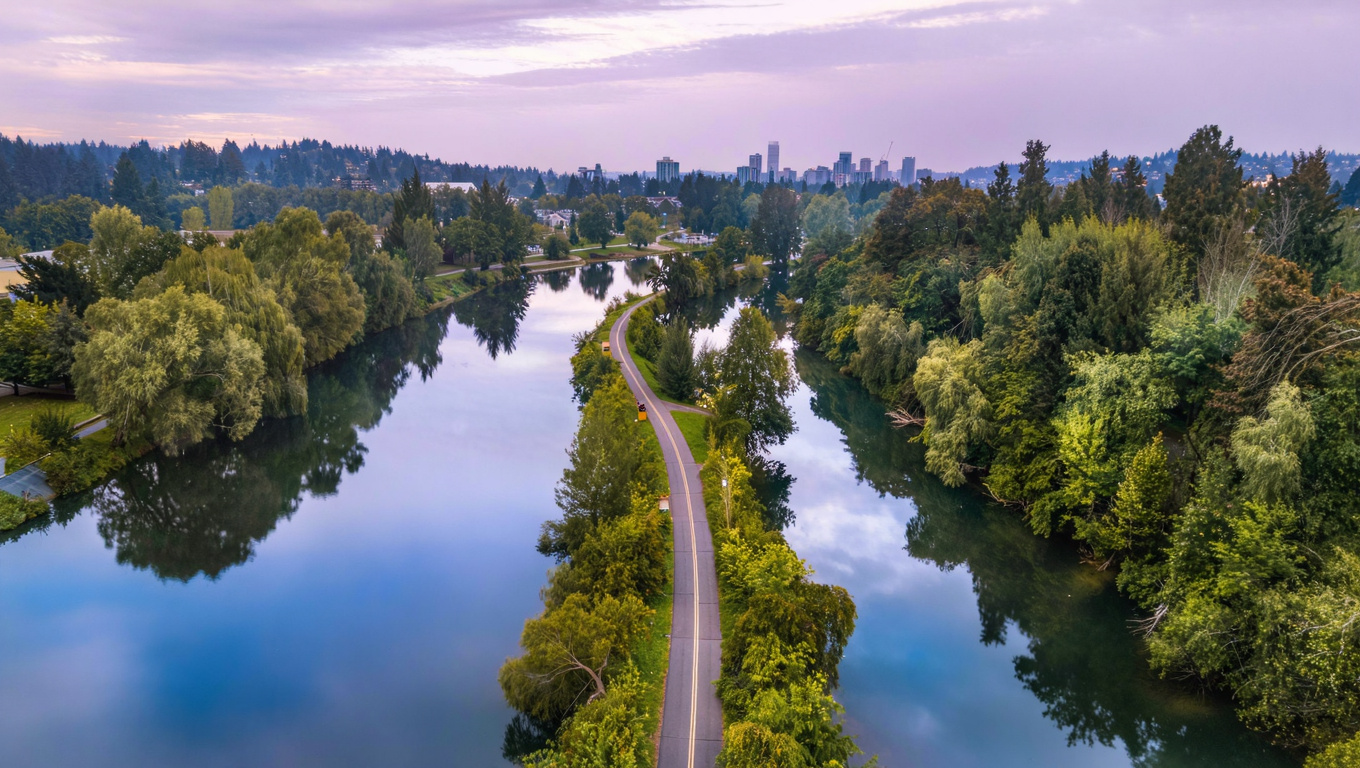
Downtown Renton on a weekday morning is active and compact. The commercial strip on S 3rd Street has coffee, breakfast options, and a farmers market on Saturdays from May through October. The Cedar River is a five-minute walk from most residential addresses in the core. Light rail riders can reach Rainier Beach Link station in under 15 minutes by bus or bike, connecting to the broader regional system. For a south King County location, the urban connectivity here is genuinely above average. Weekends feel like a small city coming into its own. Piazza Park fills up on summer evenings with community events and casual gatherings. The Renton Farmers Market draws a consistent crowd. Cedar River Trail is busy with cyclists and dog-walkers from early Saturday through Sunday afternoon. Restaurants on the main commercial strip give residents real dining options without driving to Bellevue or Tukwila. The revitalization here is real, not cosmetic. Downtown Renton attracts a mix of young professionals who want walkability, older residents who’ve downsized from suburban homes, and buyers who commute to Boeing’s nearby campus. The neighborhood is also popular with investors — rental demand is strong here because of the transit access, walkability, and relatively affordable entry prices compared to Bellevue or Seattle.
Homes in Downtown Renton: What the Data Shows
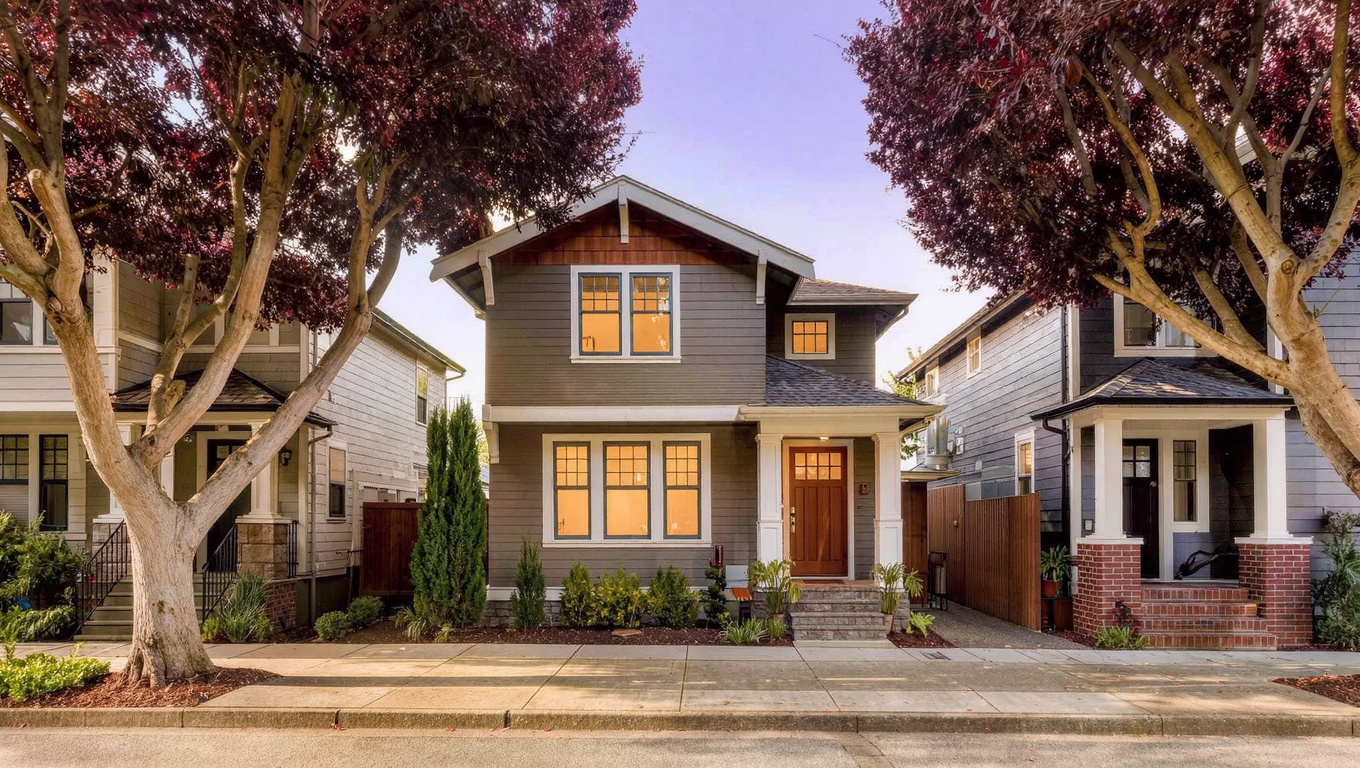
Downtown Renton’s housing stock is the most varied in the city. You’ll find Craftsman bungalows from the 1920s and 1930s on small city lots, post-war ramblers from the 1950s and 1960s, mid-century apartment buildings, and newer multi-family developments from the 2010s and 2020s. Single-family home sizes typically run 800 to 1,600 sq ft on lots of 4,000 to 7,000 sq ft. Condo and apartment units range from studios to two-bedrooms. The neighborhood is denser than any other part of Renton, and buyers should expect smaller lots and closer neighbors in exchange for the walkability premium.
| Market Pulse | Downtown Renton / 98057 | King County |
|---|---|---|
| Median Sales Price (May 2026) | ~$550,000 | ~$859,000 |
| Median Days on Market | ~25 days | ~28 days |
| Active Listings Change (vs. Jan 2026) | +26% | +30% |
Figures are approximate based on zip code 98057 activity. Verify current data at NWMLS.com.
Schools Serving Downtown Renton
Downtown Renton falls entirely within Renton School District. The primary pipeline is Tiffany Park Elementary or Hazel Valley Elementary (depending on exact address), Dimmitt Middle School, and Renton High School. Renton High is the flagship high school for the district — it has a strong dual-enrollment program with Renton Technical College and a wide AP course catalog. Dimmitt’s STEM academy is well-regarded for middle schoolers with technology or engineering interests. For a dense urban neighborhood, the school pipeline here is a legitimate asset, and many families moving downtown cite it as a key factor in their decision.
Getting to Work from Downtown Renton
Downtown Renton sits at the junction of SR-169 and the I-405 corridor. From the urban core, I-405 north or south is typically 5 minutes by car. For transit riders, bus connections to the South Renton Transit Center open up Stride S2 BRT service toward Bellevue. The Cedar River Trail also provides a car-free cycling commute option toward the employment corridors along SR-169.
| Destination | Distance | 2026 Peak AM Drive | Transit Option |
|---|---|---|---|
| Downtown Seattle | 11 miles | 20 to 35 min | I-405 N to I-5 N |
| Amazon (South Lake Union) | 12 miles | 25 to 45 min | I-405 N to I-5 N |
| Microsoft (Redmond) | 18 miles | 30 to 50 min | I-405 N / Stride S2 + Transfer |
| SeaTac Airport | 9 miles | 12 to 22 min | I-405 S to SR-167 |
What I See as a Valuation Expert in Downtown Renton
Downtown Renton is an HOA-variable neighborhood. Single-family homes on city lots have no HOA. Condo and newer multi-family buildings have HOAs — fees typically run $200 to $500 per month depending on the building’s age and amenities. When I assess properties here for lenders, the biggest challenge is the wide condition and product-type range. Appraising a 1930s Craftsman bungalow and a 2018 condo in the same neighborhood requires completely different comp sets. Buyers need to make sure their agent is pulling genuinely comparable sales, not just nearby sales of different product types. The Cedar River flood zone is a real consideration in parts of Downtown Renton. The lower-lying streets near the river can fall within FEMA’s 100-year flood zone. I flag flood zone status on every downtown property I assess for a lender. If a home looks unusually affordable for the location, check the FEMA Flood Map before going under contract. Flood insurance adds a meaningful monthly cost and complicates future resale. Long term, Downtown Renton is the most interesting redevelopment story in south King County. The infrastructure is already there — Cedar River, I-405 access, transit center, and a walkable commercial core. As more young professionals and downsizers discover that this kind of urban environment exists outside of Seattle or Bellevue, demand should grow. The 10-year thesis is about continued revitalization narrowing the gap between downtown Renton prices and comparable urban neighborhoods in north King County. That gap is still wide in 2026. Buyers who get in now are buying into the early chapter of that story.
Frequently Asked Questions About Living in Downtown Renton
Is Downtown Renton actually walkable?
Yes, more than most people expect. The S 3rd Street commercial strip, Safeway, Piazza Park, and Cedar River Trail trailhead access are all within a 10-minute walk of most downtown residential addresses. It is not Seattle-dense, but daily errands, coffee, and outdoor access are all genuinely car-optional here.
What is the flood risk in Downtown Renton?
Some streets near the lower Cedar River corridor fall within FEMA’s 100-year flood zone. This is most relevant for properties closest to the river. Check the FEMA Flood Map Service Center with any specific address before going under contract. Flood insurance adds monthly cost and can affect future resale.
What types of homes are available in Downtown Renton?
Downtown Renton has the most varied housing stock in the city. Buyers find 1920s and 1930s Craftsman bungalows, 1950s and 1960s post-war ramblers, mid-century apartment buildings, condos, and newer 2010s and 2020s multi-family construction. Single-family homes typically run 800 to 1,600 sq ft. Condos range from studios to two bedrooms.
How does Downtown Renton compare to Kennydale or Talbot Hill for value?
Downtown Renton typically prices lower than Kennydale and Talbot Hill on a per-square-foot basis. The trade is smaller lots and a denser environment in exchange for walkability and transit access that neither Kennydale nor Talbot Hill can match. For buyers who actually use that walkability daily, the value equation strongly favors downtown.
Explore Downtown Renton Yourself
Park on S 3rd Street on a Saturday morning. Walk to Piazza Park, grab coffee, and then follow the Cedar River Trail east for a mile. Come back through the farmers market if it’s running. That two-hour loop tells you everything you need to know about what downtown Renton has become.
View Downtown Renton on Google Maps →
Your guide to life outside Seattle.
253-350-0045 · greg@livingoutsideseattle.com · www.livingoutsideseattle.com
