

 Facebook
 X
X
 Pinterest
 Copy Link
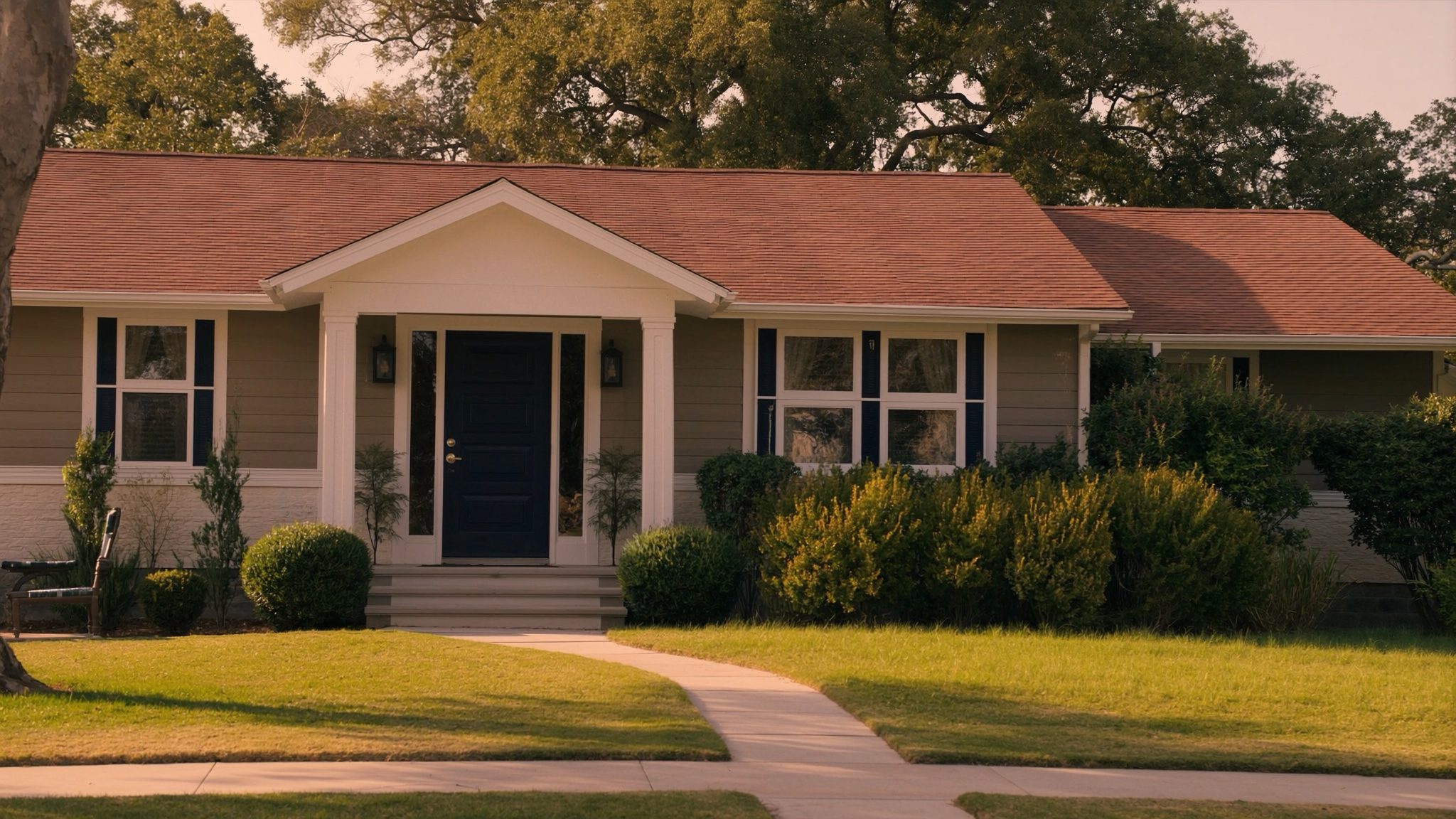
You don’t need to spend a fortune. You need to spend smart — and start early enough to do it right.
Most sellers I talk to ask me the same question: “How much do I need to do before I list?”
My answer is always the same: less than you think, but more intentionally than most people do it. The goal isn’t a full renovation. It’s presenting a home that buyers can picture themselves living in — one that feels move-in ready, honestly priced, and well cared for.
That matters more right now than it has in years. King County has about 3 months of inventory as of spring 2026, and active listings are up significantly year-over-year. Buyers have options. When they have options, they get selective. Homes that are clean, functional, and priced correctly sell. Homes that aren’t sit — and sitting costs you money.
How Long Does It Actually Take?
This is the question I wish more sellers asked me earlier.
For most single-family homes in King County — the kind of 3-bedroom, 2-bath homes common in Auburn, Kent, and Covington — plan for 4 to 6 weeks of prep if your home is in decent condition. If you have deferred maintenance that’s been piling up, or you’re looking at any contractor work, budget 6 to 10 weeks.
Condos move faster, usually 2 to 3 weeks if you’re mostly doing cosmetic updates.
Where sellers get into trouble is waiting too long to start. I’ve seen people decide in April they want to list in May and scramble through prep in two weeks. That rush shows up in the listing photos, in the details buyers catch during tours, and ultimately in the offers you receive. Start earlier than you think you need to. The prep phase is where you build your negotiating position.

A focused 6-week timeline gets most King County sellers to the market in strong condition without the last-minute scramble.
Step One: Do a Buyer Walk-Through Before Buyers Do
Walk through your home like you’re seeing it for the first time. Better yet, ask a friend who hasn’t been inside in a while to do it.
You’ve stopped noticing things. The scuff on the hallway wall. The caulk pulling away from the tub. The closet door that needs a nudge to latch. Those aren’t big issues — but every one of them registers in a buyer’s mind as “this home wasn’t taken care of.”
I do this kind of walk-through professionally every week as part of my BPO field work. The things that hurt perceived value most aren’t structural problems. They’re visible, fixable details that signal deferred maintenance. Make a list of everything. Then prioritize by what a buyer will actually see and notice.
Step Two: Fix the Deferred Maintenance First
Before paint, before staging, before anything else — fix the things that will flag on a buyer’s inspection report.
In Washington State, you’re legally required to disclose known defects on Form 17. Getting a pre-listing inspection ($296 to $424 from a licensed Washington inspector) lets you find those issues on your terms, not the buyer’s. A $2,200 roof repair you handle before listing doesn’t become a $15,000 negotiating concession after you’re already in contract.
None of these are catastrophic. All of them are cheap to fix when you find them ahead of time. All of them become expensive when a buyer’s inspector finds them first.
Step Three: Focus Your Budget on What Buyers Can See
Here’s where sellers often go wrong: they spend on what matters to them, not on what moves buyers.
A full kitchen remodel before selling almost never returns its full cost. Neither does a bathroom gut job or brand-new flooring throughout. Those projects feel significant because they are — but buyers compare your home to other homes, not to your renovation invoice.
What actually delivers return, in order of bang for your buck:
1. Deep professional cleaning — the whole house
Odors and grime kill buyer confidence faster than anything. Budget $400 to $800 and it’s done right. This is non-negotiable.
2. Fresh interior paint in neutral tones
Warm whites, soft greiges, light grays. Half of all real estate agents recommend this before listing. Budget $1,500 to $3,500 for a professional job depending on your square footage.
3. Curb appeal — lawn, front beds, front door
The first photo in your listing is almost always the exterior. A trimmed lawn, clean beds, and a freshly painted front door cost almost nothing relative to the impression they create.
4. Hardware and fixture updates
Swapping dated brass pulls for matte black or brushed nickel takes a Saturday and $200 in hardware. It makes a home feel five years newer in photos.
5. Address the obvious small repairs
Dripping faucets, cracked switch plates, broken screen doors. Every one of these is a tiny trust issue in a buyer’s mind.
What stays off the list: full remodels, new HVAC unless non-functional, new flooring throughout, or any project you can’t complete cleanly before photos.
Step Four: Declutter — More Than You Think Is Enough
This one costs nothing and it’s the move that makes the biggest visual difference.
Buyers need to mentally move themselves into your home. That’s hard to do when your countertops are full, your closets are packed, and every shelf has personal photos and collected items from the last 20 years.
The rule I give sellers: remove a third of your furniture and clear your countertops down to two or three items. If you need a storage unit for 60 days, rent one. It pays for itself in buyer perception.
Families looking at homes in Covington, Maple Valley, and Black Diamond are almost always upsizing. They’re specifically hunting for storage and space. A decluttered home signals that their life will fit. That feeling does a lot of selling before you ever negotiate a price.
Step Five: Stage It — At Least for Photos
Staged homes sell faster. The data on this is consistent. According to the Real Estate Staging Association, professionally staged homes spend 9 to 19 days on market on average, compared to 33 to 73 percent longer for unstaged homes. Nineteen percent of sellers’ agents report 1 to 5 percent higher offers — on a $750,000 home, that’s up to $37,500.
Full professional staging isn’t always necessary. Occupied staging, where a stager works with what you have and brings in accent pieces, often gets you 90 percent of the result for a fraction of the cost. The median cost of professional staging is around $1,500 according to NAR’s most recent data.
At minimum: stage it for photos. Your online listing is your first showing. In King County’s 2026 market, where 97 percent of buyers start their search online, weak listing photos will cost you tours.
Step Six: Price It Right From the First Day
You can do everything above perfectly and still leave money on the table if you price wrong.
Overpriced homes sit. Sitting homes collect days on market. Buyers see that number and start asking what’s wrong. You get lower offers, more concession requests, and sometimes no offers at all. A price reduction signals weakness to every buyer watching. The data is consistent: homes that require a price drop sell for less than they would have if they’d been priced right initially.
For a current read on what’s happening in the King County market right now, check out my King County Real Estate Market Update.

Pricing a home correctly requires the same process lenders use — real comparable sales data from someone who walks properties every week.
If you are triaging rooms, work in this order. The living room comes first: buyers’ agents consistently rank it the most important room to get right, and pulling about a third of the furniture out does more than any purchase. The kitchen is second: cleared counters, swapped cabinet hardware, and paint over remodel. Bathrooms third: confirm every fan actually pulls air, re-caulk anything gray, and hang fresh towels. In our damp climate, a bathroom that looks dry tells buyers the whole home was cared for.
Frequently Asked Questions
How much does it cost to prepare a home for sale in King County?
For most sellers, a focused prep budget runs $3,000 to $8,000. That covers professional cleaning ($400–$800), interior paint ($1,500–$3,500), minor repairs and hardware updates ($500–$1,500), and basic landscaping cleanup ($300–$800). Professional staging adds another $1,000 to $2,500 if you choose to go that route. You don’t need to spend more than that to list competitively.
Should I get a pre-listing inspection in Washington State?
Yes, in most cases. A pre-listing inspection runs $296 to $424 from a licensed Washington inspector and lets you find issues before a buyer’s inspector does. You control the timeline, you control the repair bids, and you don’t lose a deal over something you could have fixed for a few hundred dollars. Washington requires disclosure of known defects on Form 17 — a pre-listing inspection removes the guesswork about what you’re required to disclose.
What do buyers in King County want most in 2026?
Move-in ready condition is the top priority — 76 percent of agents say it’s the single biggest selling point in today’s market. Buyers also want functional home offices, energy-efficient features, outdoor living space, and strong online photo presentation. What they’re not willing to do is pay a premium for a home that needs work.
When is the best time to list in King County?
May and June historically deliver the best outcomes for sellers in the Seattle area — homes listed during these months sell 10 to 18 days faster and achieve 3 to 7 percent higher prices than January listings. If you’re reading this in spring, now is your window.
How long before listing should I start prep?
Plan for 4 to 6 weeks for most single-family homes in average condition. Add 2 to 4 weeks if you have significant deferred maintenance or need contractor work. The mistake most sellers make is starting too late and rushing the final two weeks — that rush shows up in photos and in the details buyers catch during tours.
Your guide to life outside Seattle.
253-350-0045 · greg@livingoutsideseattle.com · www.livingoutsideseattle.com
Gregory Dorrell is a Real Estate Broker with Coldwell Banker Danforth specializing in East and South King County. WA License #111862
.
