 Facebook
 X
X
 Pinterest
 Copy Link
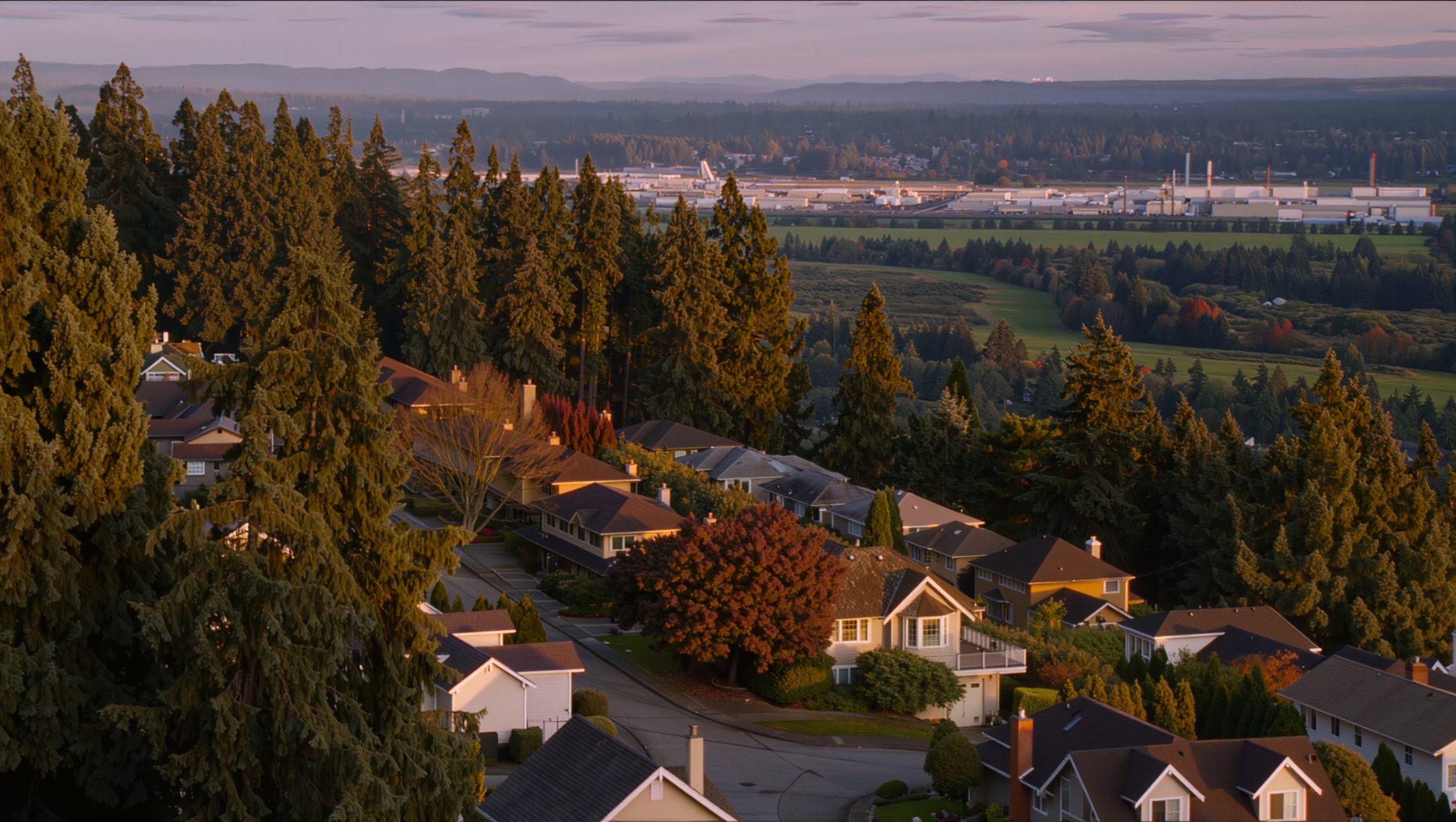
Why Renton Stands Out in 2026
King County’s median home price sits at about $859,000 as of May 2026. Renton’s median runs closer to $650,000. That is a real gap. You get location without the Bellevue price tag, and right now inventory across King County is up about 30% from last year. Buyers in Renton have more homes to look at, more time to think, and more room to negotiate. Most people buying here are working professionals, Boeing and Amazon employees, and if you want good schools without paying for a Bellevue zip code.
Renton has a feel that is hard to find anywhere else in King County. Lake Washington sits to the northwest. The Cedar River runs through downtown. On a clear day, Mount Rainier frames itself perfectly from the Highlands. The 405 runs right through the city, so Bellevue is 15 minutes away on a good morning. Boeing’s Renton Factory, where 737s roll off the line, sits along the lake and is part of the city’s identity. So are the trail systems along the Cedar River, and a downtown that has been quietly improving for the past decade. This is a working city that has grown into something genuinely livable.
Commute Times from Renton
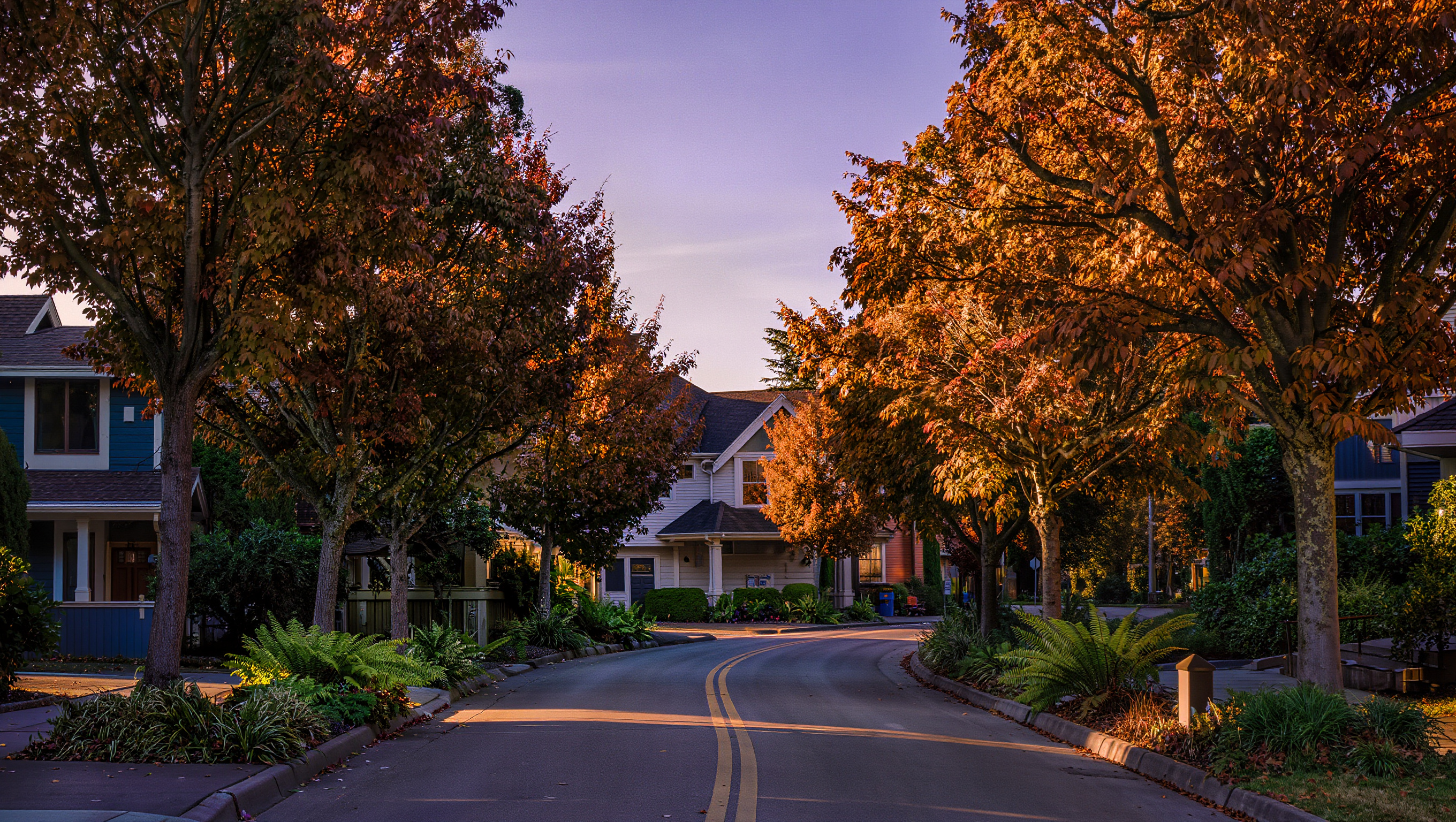
Renton’s transit picture improved significantly when the Stride S2 Bus Rapid Transit line launched service along the 405 corridor. The S2 connects Renton to Bellevue and Lynnwood with a stop at South Renton Transit Center. For Link Light Rail, the Rainier Beach Station on Line 1 is about 10 minutes north and gives you a car-free connection to downtown Seattle and Sea-Tac. Most Renton residents still drive to work, but the options are better now than they have ever been.
| Destination | Distance | 2026 Peak Commute (AM Drive) | Transit Option |
|---|---|---|---|
| Downtown Seattle | 12 miles | 25 to 45 min | I-405 N to I-5 N / Drive |
| Amazon (South Lake Union) | 14 miles | 30 to 50 min | I-405 N + I-5 N / Drive |
| Microsoft (Redmond) | 18 miles | 30 to 50 min | I-405 N / Stride S2 + Transfer |
| Bellevue Tech Corridor | 10 miles | 15 to 30 min | I-405 N / Stride S2 |
| SeaTac Airport | 9 miles | 15 to 25 min | I-405 S to SR-167 / Link Light Rail via Rainier Beach |
Drive times reflect typical AM peak conditions. Transit times include walk and wait. Always check Google Maps before your first commute day.
Neighborhoods in Renton: A Quick Look
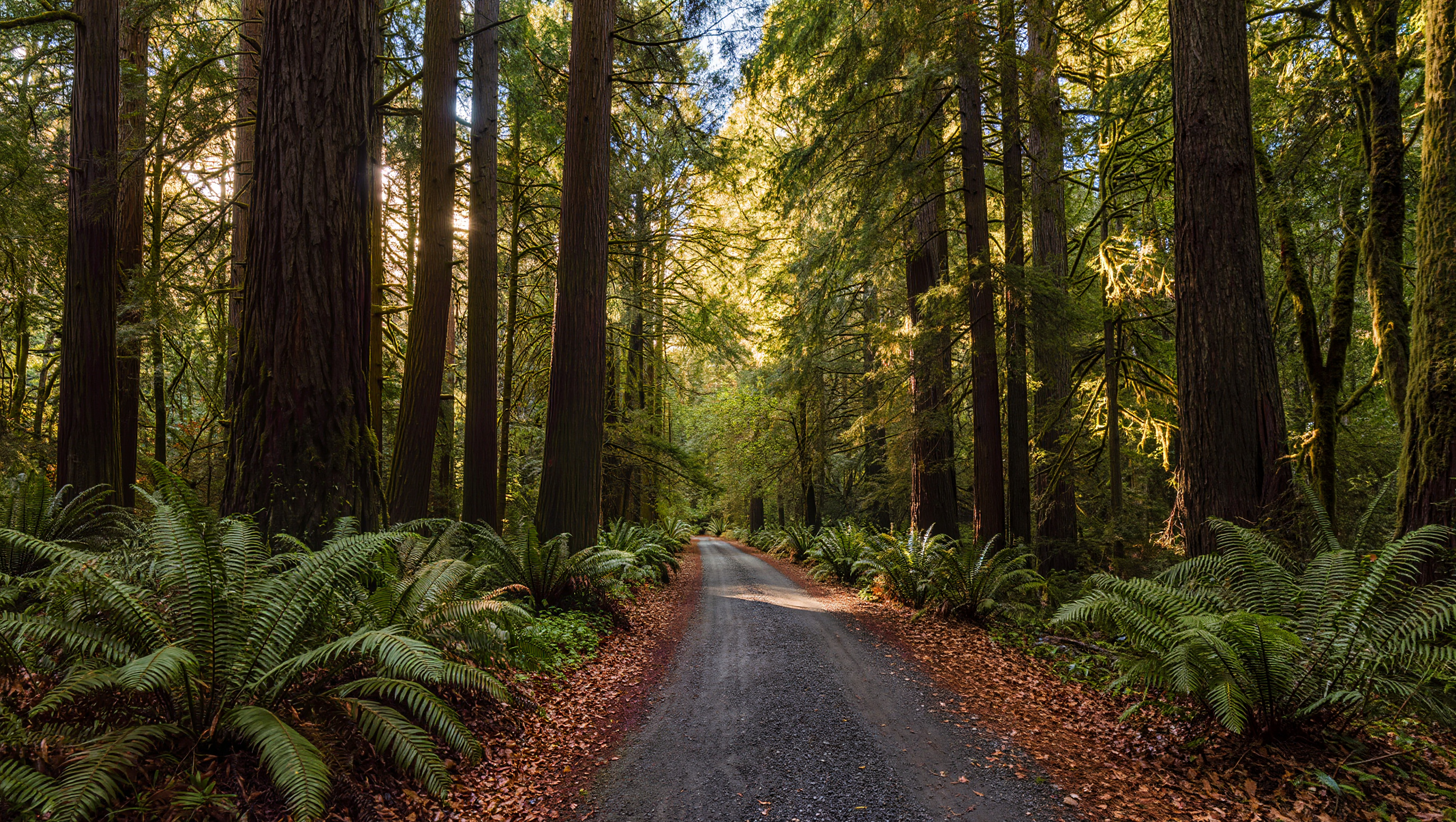
Renton is a big city with a lot of distinct neighborhoods. Each one has its own price range, vibe, and school profile. Below is a quick overview of the 9 neighborhoods covered in this guide. Each summary links to a full deep-dive post.
Kennydale
Kennydale sits on a hillside above Lake Washington in north Renton and is one of the most sought-after areas in the city. Homes range from 1960s ramblers to newer two-story builds, typically 1,500 to 2,800 sq ft on lots between 6,000 and 10,000 sq ft. Many homes have territorial views of the lake and the Seattle skyline. Kennydale feeds into Renton School District, with Kennydale Elementary carrying a strong reputation for parent involvement. The neighborhood borders Gene Coulon Park, giving residents easy access to Lake Washington shoreline, swimming, and boat launches. It tends to hold value well because of the views and the lake access.
Renton Highlands
The Highlands is one of Renton’s largest and most diverse neighborhoods, sitting on a plateau east of downtown with wide Cascade views on clear days. Housing ranges from 1950s and 1960s ranchers to newer infill construction, typically 1,100 to 2,200 sq ft on mid-size lots. This is a working-class neighborhood with strong community roots and a mix of longtime owners and newer arrivals drawn by relative affordability. Renton School District serves the area with Highlands Elementary as the core school. The neighborhood has a community center, parks, and easy access to I-405. For buyers who want space and value over prestige, the Highlands delivers both.
Talbot Hill
Talbot Hill rises just south of downtown Renton and offers some of the best views in the city: Rainier, the valley, and on clear days the Olympic Mountains. This is a quiet, established neighborhood with mostly single-family homes from the 1960s through 1990s, typically 1,400 to 2,400 sq ft on generous lots. Many properties have been updated over the years, making this a solid spot for buyers who want character homes with equity upside. Renton School District serves the area with Talbot Hill Elementary as the neighborhood anchor. Talbot Ridge Natural Area gives hikers a wooded escape right in the neighborhood. Prices here often come in under Kennydale while delivering comparable city views.
East Renton
East Renton is a transitional neighborhood, part suburb and part semi-rural, sitting on the eastern edge of the city and bordering unincorporated King County and Maple Valley territory. Homes here are often larger and on bigger lots, think 1,600 to 3,000 sq ft on parcels ranging from 8,000 sq ft to a quarter-acre. Many properties were built in the 1980s and 1990s. Buyers get more land for the money here than almost anywhere else in Renton proper. Issaquah School District serves portions of East Renton, which is a major draw for families. Maple Valley Highway connects residents south to Maple Valley and north to Renton’s urban core.
Benson Hill
Benson Hill was unincorporated King County until Renton annexed it in 2008. That history shows in the housing stock: larger lots, more variety in home styles, and a quieter feel compared to the urban core. Homes typically run 1,400 to 2,600 sq ft on lots up to a third of an acre, with a strong sense of community and a diverse mix of residents. Kent School District serves the southern part of Benson Hill and Renton School District covers the northern section, so school assignment depends on your exact address. Soos Creek Trail is nearby, offering miles of paved trail for cycling and walking.
Cascade
The Cascade neighborhood wraps around the south and east slopes of Renton’s central plateau. It’s a mid-density residential area with a solid mix of 1960s to 1980s single-family homes and some attached housing, typically 1,100 to 1,900 sq ft on standard city lots. Cascade feeds into Renton School District and has good access to SR-169 and I-405. The Cedar River Trail runs near the neighborhood’s western edge, making it easy to walk or bike to downtown. Cascade tends to attract first-time buyers and investors because prices remain below Kennydale and Talbot Hill.
Fairwood
Fairwood is a planned community in the southeastern corner of Renton, developed primarily in the 1970s and 1980s with curving streets, mature trees, and a strong homeowners association presence. Homes typically run 1,500 to 2,800 sq ft on well-maintained lots, with a classic suburban feel: safe, green, and consistent. Kent School District serves most of Fairwood, with Fairwood Elementary and Lindbergh High School as the primary assignments. The Fairwood Golf Course sits in the heart of the community and gives the area an open, park-like feel. Fairwood consistently attracts families looking for a classic suburban experience at a price below Sammamish or Covington.
May Valley
May Valley is the quiet edge of Renton, sitting in the valley between Renton and Issaquah and bordered by Cougar Mountain Regional Wildland Park to the south. This is where Renton gets genuinely semi-rural. Homes are often on larger parcels, a quarter acre up to multiple acres, with privacy, trees, and room to breathe. Architectural styles range from 1970s split-levels to newer custom builds, typically 1,600 to 3,500 sq ft. Issaquah School District serves the eastern portion, which is a major pull for families. If you hike, mountain bike, or just want quiet mornings with a longer commute, May Valley is worth every minute of the drive.
Downtown Renton
Downtown Renton sits along the Cedar River and has been through a real transformation over the past 10 years. New apartments, local restaurants, farmers markets, and the renovated Piazza Park have helped shake the old industrial image. The housing stock is a mix of older single-family homes, mid-century apartments, and newer multi-family buildings. This area is best for buyers who want walkability and proximity to amenities without needing a big yard. Renton School District serves downtown with Renton High School as the main high school. The Cedar River Trail is a five-minute walk from most of downtown, connecting all the way to Maple Valley. For urban buyers who want Seattle-adjacent living without Seattle prices, downtown Renton is a real option.
Market Dynamics & Investment Value in Renton
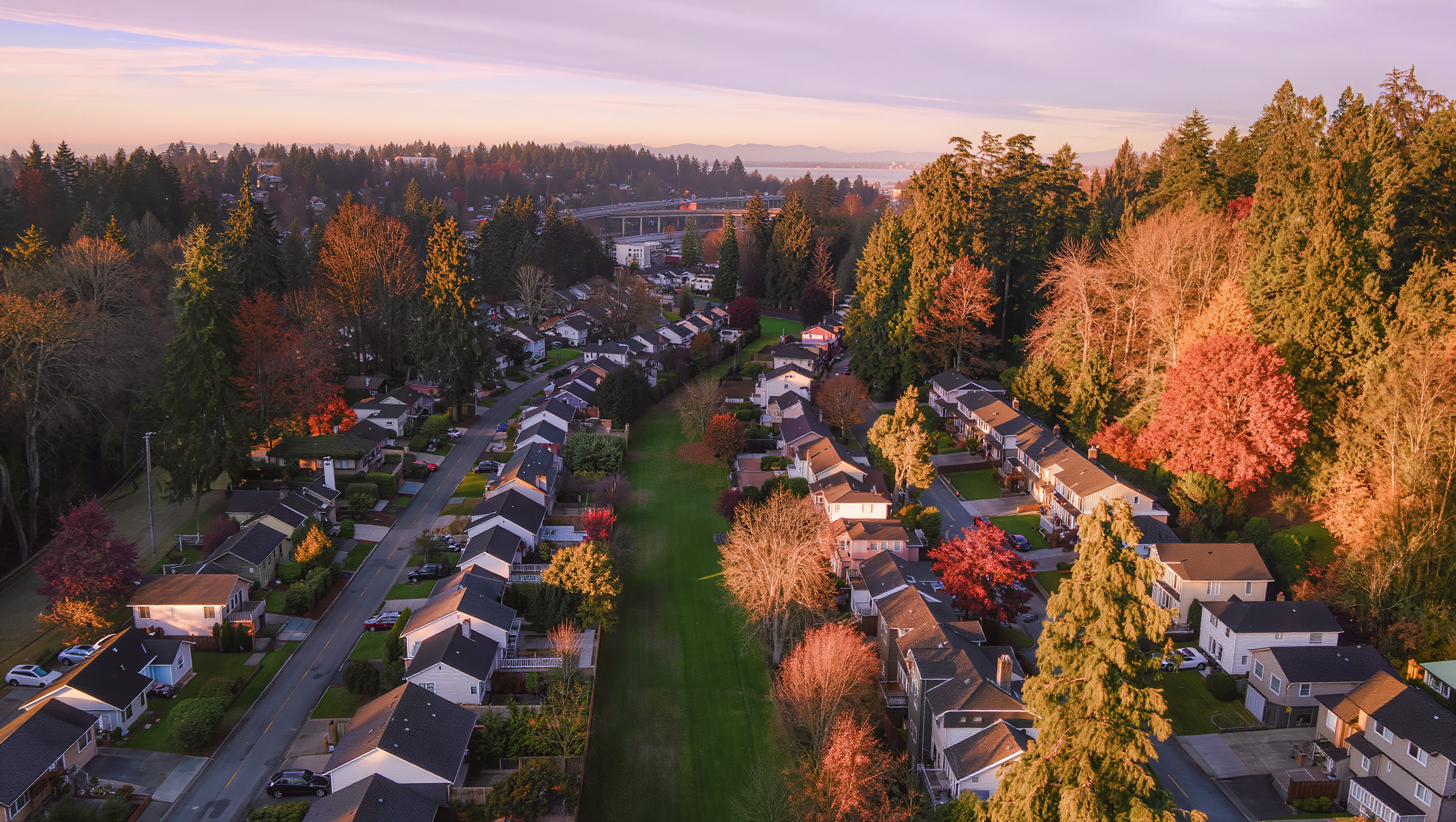
The inventory surge across King County right now is real and it is working in buyers’ favor. As of May 2026, there are roughly 30% more active listings than there were a year ago. Less competition on individual homes. You are less likely to end up in a 10-offer bidding war. Sellers who priced aggressively are having to reduce or negotiate. If you have been on the sidelines waiting for the market to cool, this year is closer to that window than anything we have seen since 2019.
Renton’s prices have held up better than some other King County cities. The median sits around $650,000 as of May 2026, down slightly from the 2022 peak but mostly stable over the last 18 months. Kennydale and Talbot Hill, with their lake views and established character, have held value the best. Benson Hill and Fairwood have been more sensitive to interest rate changes because they serve more first-time buyers whose purchasing power moves with rates.
The homes that hold value best in Renton share a few traits: good school district assignments, usable lots, and some combination of views, trail access, or lake proximity. Properties built after 1990 or meaningfully updated also move faster. Older homes in the Highlands or Cascade on flat lots with no distinguishing features tend to sit longer in a balanced market like this one.
One honest caution: parts of Renton, particularly near the Cedar River and the lower valley areas, sit in FEMA-designated flood zones. If a home looks unusually affordable, check the FEMA Flood Map before you get attached to it. Flood insurance adds to your monthly cost and can complicate future resale. I flag this regularly in my BPO work for lenders, and buyers should too.
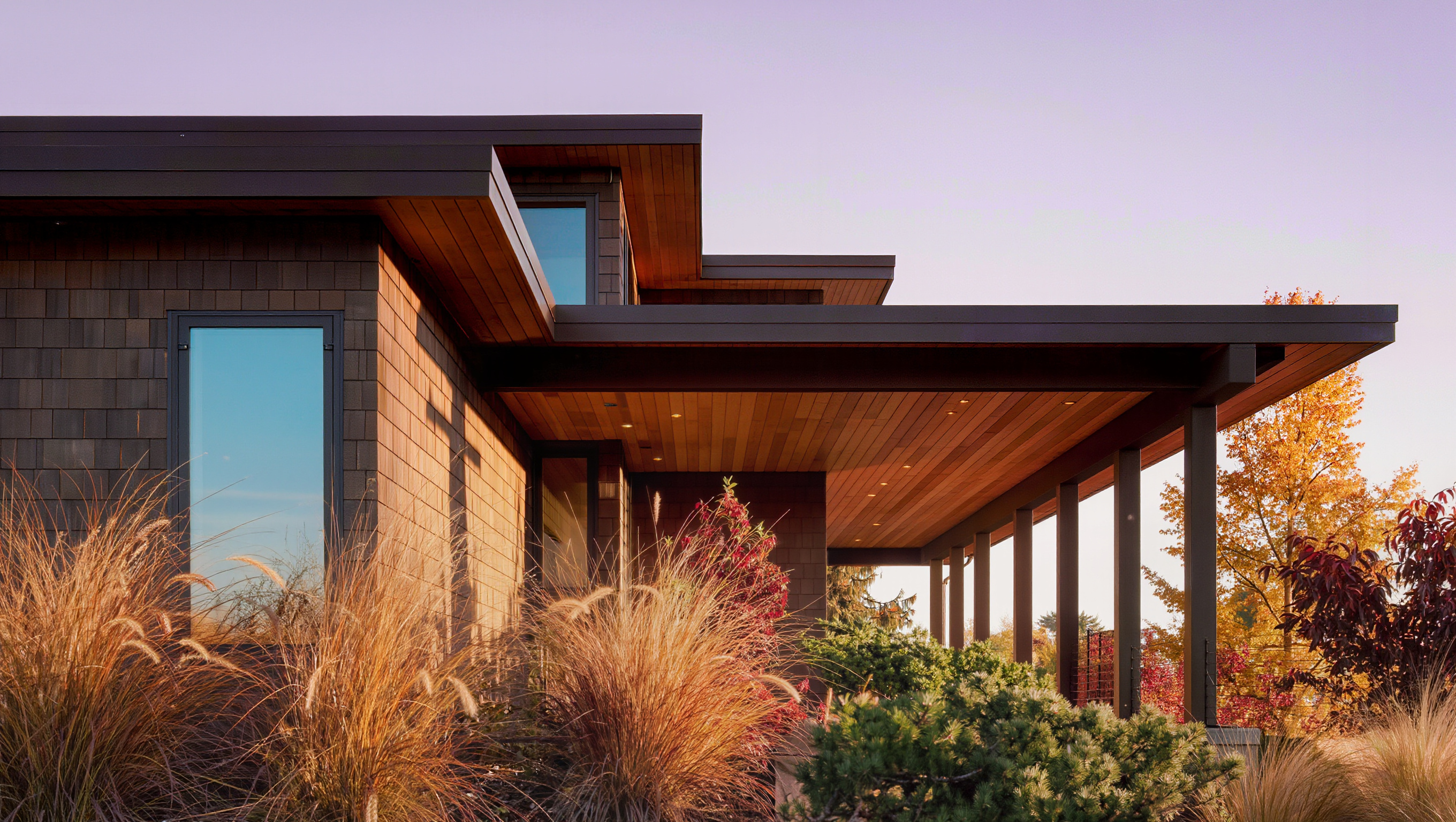
Explore Renton Yourself
The best way to understand Renton is to drive it. Start at Gene Coulon Memorial Beach Park on a Saturday morning, walk the waterfront, and watch the Boeing flight line across the lake. Then head up the hill to Kennydale and look out over Lake Washington. Come back down through downtown, walk the Cedar River Trail, and grab coffee on South 3rd Street. Two hours and you will understand why people keep choosing Renton over pricier alternatives.
Frequently Asked Questions About Living in Renton, WA
Is Renton WA a good place to live?
Yes. Renton gives you access to Lake Washington, a strong job corridor, and a range of neighborhoods from walkable urban to semi-rural, all at a median home price well below Bellevue or Seattle. The city has real infrastructure, improving transit, and solid schools in several areas. Traffic on I-405 can be brutal and some neighborhoods are still working through older housing stock. But for the price point, it is hard to beat in King County.
What is the cost of living in Renton, WA?
The median home price in Renton runs around $650,000 as of May 2026, compared to King County’s overall median of about $859,000. Single-family homes in the Highlands or Cascade often start in the $550,000 to $650,000 range. Kennydale and Talbot Hill, with lake views and strong schools, trend higher. Property taxes, utilities, and everyday costs are comparable to the rest of King County.
What neighborhoods are in Renton, WA?
Renton has 9 distinct neighborhoods covered in this guide: Kennydale, Renton Highlands, Talbot Hill, East Renton, Benson Hill, Cascade, Fairwood, May Valley, and Downtown Renton. Each has its own price range, school district assignment, and character. The deep-dive links in each neighborhood card above will give you the full picture on any one of them.
How far is Renton from Seattle?
Renton is about 12 miles south of downtown Seattle. In typical AM peak traffic on I-405 to I-5, the drive runs 25 to 45 minutes depending on your specific origin and destination. The Stride S2 BRT and connecting Link Light Rail via Rainier Beach give you a transit option, though most Renton commuters to Seattle still drive.
Your guide to life outside Seattle.
253-350-0045 ·
greg@livingoutsideseattle.com ·
www.livingoutsideseattle.com


